

The word "zombie" originated in the Vodou beliefs of Haiti, referring to a body "revived" and enslaved by a sorcerer. (Some of the oldest aspects of zombie appearance are actually symptoms of tetrodotoxin poisoning, a neurotoxin that may have been used in certain voudon rituals, though the Other Wiki dismisses the possibility on the grounds of not enough similarities between the two.) In this form, it has been known in America since the late 19th century. However, it wasn't until the 1960s that George A. Romero's Night of the Living Dead (1968) attached the word to the living dead who eat the flesh of the living. (Note, however, that the flesh-eaters in that movie are never referred to as "zombies," and Romero himself didn't consider them zombies, preferring "ghouls.")
As Night was accidentally entered into the Public Domain due to an error in the end credits, it quickly became the object of imitation and emulation by many other directors. Most zombie invasion stories, even those not explicitly based on Romero's films, follow the same conventions, though there are major points of contention. While Romero is responsible for most of the "general" zombie conventions, the more specific and visible zombie tropes are more often inspired by the later works of John Russo, Night's co-writer. Most zombie movies mix-and-match conventions from the Romero and Russo canons. The Russo canon in particular (Return of the Living Dead) is the reason most people will respond with "Braaaiinnnns" when zombies come up in conversation, and most depictions along those lines are references to it. Zombie canon was turned on its head with the release of the video game House of the Dead in 1996 and the film 28 Days Later in 2002, which heavily influenced and popularized the modern trend of super-fast, super-angry zombies (usually infected sort-of-alive humans as opposed to the reanimated dead) that has carried over to numerous works of fiction and entertainment.
The most common zombie archetypes are as follows:
- Artificial Zombie: Reanimated by science!
- Frankenstein's Monster: The famous creation of Dr. Frankenstein, who is common enough in pop culture to have his own trope.
- Attractive Zombie: A zombie who retains their good looks in spite of being a living corpse.
- Elemental Zombie: Zombies that have elemental powers or an elemental theme/association.
- Elite Zombie: There's regular zombies, slow or fast, and then there's these zombies, stronger than regular ones and often sporting enhanced abilities or unusual mutations to make them harder to take out.
- Flesh-Eating Zombie: Zombies that eat the flesh of the living. They are usually mindless, feral ghouls who are driven only by their instinct to find live prey.
- Friendly Zombie: The opposite case; a benign zombie who has no Horror Hunger and means no harm to living people. They are closely related to friendly vampires and ghosts.
- Plague Zombie: Created by The Virus or other such communicable disease. They have the ability to turn their infected victims into more zombies. Often overlaps with Flesh-Eating Zombie and/or Technically-Living Zombie.
- Parasite Zombie: For when the infection comes in the form of large parasites instead of microbes.
- Possessing a Dead Body: Reanimated by an intelligent spirit — though not the soul who originally owned that body (as that would be a Revenant Zombie). This spirit is often demonic.
- Raising the Steaks: When humans aren't the only species affected by the Zombie Apocalypse.
- Nonhuman Undead/Undead Counterpart: When other monsters/cryptids contract the zombie plague.
- Undead Fossils: When long-extinct animals turn into zombies.
- Revenant Zombie: A sapient zombie that has returned for some driving purpose, retaining (to at least some degree) their living personality and memories of their previous existence.
- Ridiculously Alive Undead: When zombies act just like the living.
- Robotic Undead: Robots as zombies.
- Technically-Living Zombie: When zombies are transformed, living victims instead of reanimated undead corpses. Often overlaps with Plague Zombie.
- Voodoo Zombie: Brought back by dark voodoo magic to serve their master. As noted above, this is what the term "zombie" originally referred to. Romero's Flesh-Eating Zombie concept has largely eclipsed this variant in zombie media. You're currently more likely to run into these guys in the fantasy genre as a necromancer's standard mooks — and nowadays, they're often revived through other varieties of The Dark Arts besides Hollywood Voodoo.
Skin color of zombies can also vary widely, ranging from normal skin tones to green, blue, or gray. Their gait can also vary, from limping, sliding their feet along the ground, having the "arms forward" stance, and the more modern variant-the running zombie.
See also Everything's Deader with Zombies, Zombie Apocalypse, Not a Zombie. Not Using the "Z" Word happens when creatures that otherwise fit the profile perfectly are not called zombies (although the trope applies to other creatures as well). Elite Zombie is this trope combined with Elite Mook. Nazi Zombies is this trope combined with Those Wacky Nazis. Most zombies are Night of the Living Mooks, and Slave Mooks. Necromancer is a common source of magical zombies.
Contrast the Incongruously-Dressed Zombie, who only looks different.
Subtrope of The Undead.
Examples that defy easy categorization:
- The Titans from Attack on Titan are not undead, but bear some of the characteristics of zombies. They are mindless beings that relentlessly seek to devour humans (the nervous system specifically, since consuming the spinal fluid of a Titan shifter will allow the Titan to gain the Shifter's powers), can only be killed by a targeted attack to a specific area, and do not experience pain. Their appetite is exclusively for humans, and make no effort to eat or otherwise harm animals, but despite walls being built to keep the humans and Titans separate for decades, the Titan population doesn't seem to have decreased at all, indicating they don't need to eat humans to survive. As the story goes on, when a horde of Titans appeared inside the human territory without the Walls being breached, it's implied that these Titans used to be the people from Connie's village, and someone (commonly thought to be the Beast Titan) transformed them.
- The abyss feeders from Claymore. A new class of "warriors" made by the Organization, they are created from the flesh of Awakened Beings instead of regular yoma. Unlike their Claymore counterparts, who retain their humanity in spite of being half monster, abyss feeders have no sense of self or humanity, and are only driven by the desire to eat the flesh of Abyssal Ones, by which they relentlessly track their target by being given a piece of their flesh. What makes them more zombie-like is their lanky and ungainly gait, eyes that are sewn shut, rapid regeneration, and sewn-together mouths that only become unfastened when they are eating their target alive.
- The eponymous fighters of Corpse Princess. They can't pass away peacefully due to their lingering hatred toward something (usually the person who killed them), making them Revenants; but it takes the Monks' esoteric magic (relatively-benign voodoo) to prevent them from degenerating into standard zombies. They will degenerate into standard zombies regardless, it's an Awful Truth. Their enemies are standard zombies.
- In Delicious in Dungeon, if a corpse is not resurrected quickly enough and the spirit separates from the body, the spirit will become a ghost and the body will rise as a zombie.
- In The Empire of Corpses, zombies are manmade workers of varying intelligence referred to as Frankensteins. They are also the main source of infantry in military battles, and some can even be made into skilled fighters.
- The zombies from Fort of Apocalypse are diverse. Some are your typical plague, flesh-eating zombies, while others morph into strange-looking creatures with almost super human abilities. And let's not forget the Hive Queen.
- The Immortal Legion in Fullmetal Alchemist are effectively zombies as they are human souls implanted into mannequins driven mad and trying to eat people. Since they don't need their body to live this makes them impossible to kill by ordinary means. Mustang is able to incinerate them but other than that the best solution is to remove their jaws so they can't devour people.
- Kikyo from Inuyasha was created from her ashes and grave soil and powered by the souls of the dead. Revenant, artificial, and voodoo (except she's too powerful to control and almost immediately kills her creator).
- Ayumu from Is This A Zombie? was revived by the Necromancer Eucliwood Hellscythe and is looking for his killer. With Magical Girl powers... revenant mixed with voodoo.
- There are a few varieties of zombie in JoJo's Bizarre Adventure:
- The first variety are ones actually called "Zombies" which appear in Phantom Blood and Battle Tendency and are created when a Vampire either sucks the blood out of a human or brings the dead back to life with their own blood. These people become willing servants of the Vampire who created them, with varying levels of their own will and varying degrees of remaining visible humanity. These Zombies can only be defeated by means of the Ripple or exposure to sunlight. DIO eventually perfects this ability of his to where he can create new Vampires instead by the time of Stardust Crusaders, as Vanilla Ice is a fully fledged Vampire and not called a Zombie.
- In Stardust Crusaders, Cameo's Stand Judgement allows him to to create lifelike golems of humans out of dirt, which will then proceed to eat any human nearby. Due to his disguise as a Jerkass Genie, Cameo uses Judgement to trick Polnareff to lowering his guard by "reviving" his dead sister.
- In an odder example in Golden Wind, Bruno Bucciarati actually dies during his initial fight with Diavolo and Giorno Giovanna attempts to use Gold Experience's life-giving power to resurrect him. It seemingly works, but the revived Bruno has no heartbeat and is still slowly dying. It's implied that Bruno's own resolve is what is keeping him still alive.
- Stone Ocean villain Sports Maxx's Stand Limp Bizkit allows him to use the corpses of the dead around him to turn their "spirits" into invisible but still tangible wraith-like "zombies" with enhanced strength. Limp Bizkit works on dead of any age or species, as a taxidermied alligator is turned into an invisible zombie. Even Sports Maxx himself becomes a zombie under the power of his own Stand. However, these zombies can be killed again through conventional means.
- The "Kabane" of Kabaneri of the Iron Fortress are super-fast, super-tough monsters with glowing veins and hearts that are literally as hard as iron, making them exceptionally difficult to kill. They also infect people by biting, and the show's official website details two infection methods: 1) an almost instantaneous infection that transforms the victim within seconds, or 2) a slower infection that takes up to 24 hours during which the victim still retains the ability to speak and reason. Stopping the virus's progress before it reaches the brain turns a human into a Kabaneri, granting them the speed and strength of a Kabane but retaining human sanity, but still leaving them at risk of mutation.
- Kingdom of Zombie: It's a very standard approach to the zombies themselves, but the story takes place in a medieval setting where zombies are a widespread problem, but life continues as most people live in walled-off cities. The main protagonist wants to join in a Zombie Expedition to help clear out some zombies and make the world safer, and even possibly track down the source of the problem.
- Midnight Horror School has Zobie, one of the students of the Yellow Lizard Class. He likes to sleep in his locker and is very protective of his junk and doesn't want anyone taking them.
- Monster Musume has several different types such as jiangshi (who suffer from rigor mortis), mummies (who are naturally preserved by their desert environment, but suffer from dry skin), Frankensteins (who are artificially created undead from scratch), early zombies (who lacked proper preservation and need to stay cold to avoid decay) and the regular modern zombies that get artificial formaldehyde-based blood and an artificial heart to keep it pumping. While zombies are created by a virus that's spread by being bitten, it's said to be extremely weak: a healthy human won't even get sick before their body fights off the infection, they must be close to death already before the zombie virus can transform them. All zombies retain their human intellect provided that their brains are kept from decaying, and failing to makes them stupid but relaxed and easygoing, not feral monsters. The process causes so few changes that a young girl that Lala deliberately turned into a zombie to stop her from dying didn't even realize she was a zombie until Miss Smith pointed out that she wasn't breathing and her heart wasn't beating anymore.
- The second OVA of My Hero Academia features a student whose Quirk is called, appropiately enough, "Zombie". It spreads the Zombie Virus through pink gas, and is temporary, with bites from the zombies also spreading the infection, including the user himself. The infected become chalk-white, lose their eyes, along with most functions of their brains, gain Super-Strength and Zombie Gait, randomly use their Quirks, are Nigh-Invulnerable, can be fooled into thinking someone is a zombie, and retain some aspect of their personality.
- The Summoning: Impure World Reincarnation jutsu from Naruto is... complicated. To begin with, it forces the soul of a dead person who has passed to the "Pure World" (the afterlife) back into the "Impure World" (the mortal world) to obey their summoner, making them Voodoo Zombies. At the same time, the jutsu actually works by using a living human as a sacrifice onto which the appearance, memories, personality, and abilities of the deceased are grafted, hence them also being Artificial Zombies. The culmination of the jutsu implements a seal that overrides their free will completely and compels them to pursue a single goal relentlessly, leading to Revenant. To resurrect somebody as a zombie requires both a sample of their DNA and access to their soul, meaning that those whose souls are eaten by the Shinigami cannot be resurrected unless said souls are first freed.
- The Mind Control is provided by a separate technique that is not required to bring them back to life, they would just make bad Cannon Fodder without it. The resurrected can ignore the control with enough willpower.
- The only way to "kill" these zombies is to cancel the jutsu. Killing the person who performed the jutsu does not cancel it, it simply leaves the zombies to their own devices. And if one of the zombies knows how to perform the jutsu himself, he can free himself while remaining an unkillable juggernaut with infinite stamina. The zombie who does exactly that? Madara Uchiha.
- The Six Paths of Pain could also count as Artificial Zombies; they are corpses that Nagato can control through the Chakra Receiver Rods implanted all over their bodies.
- Type V and C in One Piece. Shadow-Shadow Fruit allows Warlord of the Sea Gecko Moria to steal shadows off living people, and then put them in corpses reconstructed by Dr. Hogback via surgery. These zombies retain the personality traits and fighting abilities of the original owner of the shadow.
- Certain entities in Puella Magi Madoka Magica are referred to as zombies, but they're really closer to Liches. What are these entities? Well, the titular Magical Girls themselves.
- Sankarea has a potion able to reanimate the recently deceased. These zombies retain their personality and intelligence but eventually become a Russo zombie: slow, dumb, rotting and having a never ending urge for human flesh. Their bite also does not contain any means of making new zombies, but instead acts as a poison, numbing pain in small amounts or paralyzing in large amounts, making their victims unable to escape.
- The zombies in School-Live! first appear like any other zombie but it's later seen that they possess residual memories to the point they seem to repeat habits they did when they were alive, such as former adults being at "work" and former students being in "school". In the anime, they are fairly content to leave the girls alone as long as they aren't startled and in general, seem to act like people in a constant psychotic daze. After being bitten, Megu-nee was able to regain part of her memories and tried to hide herself away from the girls so she wouldn't hurt them.
- The titular characters of Zombie Land Saga are standard shambling corpses... until they are properly stimulated, whereupon they regain the memory and intelligence of their past lives. How they're risen is deliberately left vague by the man behind their resurrection, but they seem to be a mix between Voodoo Zombie and Revenant Zombie. Except for Tae, who remains mindless. Also, Removing the Head or Destroying the Brain does not apply, as not only do their limbs pop off semi-frequently only for them to re-attach with little difficulty, for Tae it's practically a gag for her head to come free completely and still be active, and Sakura once jabbed an iron poker through a still-mindless Ai's head and brain and she kept walking around just fine. On that note, the various girls post-zombification have been run over, shot through the chest, fallen from great heights, been hit by bolts of lightning, even being caught in a motorcycle explosion, and walked out admitting they felt pain and occasionally losing an easily-reattachable limb, but not much else.
- The are at least two distinct types of zombie in Arrowsmith. One an Artificial Zombie that is created by a weapon of mass destruction: a magical gas that kills anyone who breathes it and then raises them as a zombie. The other is the traditional Voodoo Zombie, who are seen serving as part of the Gallian colonial troops.
- Crossed: The titular infected are a Played for Horror version of the Plague Zombie and Technically-Living Zombie. The Crossed are people who were infected with a virus that twists them into bloodthirsty sociopaths that are marked with a large cross-shaped facial disfigurement. While the crossed have all the weaknesses regular humans have, they have all the physical and mental abilities too, including using weapons, driving vehicles, talking (albeit often highly profanity-laden and agressive speech) and forming groups. The infected always seek to rape, mutilate and kill the uninfected (though they will attack each other in some situations too); They often engage in cannibalism, but out of depravity instead of a zombie-like taste for human flesh. The Crossed Virus is passed via bodily fluids, meaning that bites (as well as sexual contact such as rape, and contact with crossed gore) convert humans into Crossed. And while the overwhelming majority of the infected are extremely self-destructive and borderline animalistic, a few "Super-Crossed" retain their sanity but still become some shade of sadistic and evil.
- The zombies in the miniseries Night of the Living Deadpool are the result of an experiment to imbue people with an artificial Healing Factor Gone Horribly Wrong. The infected are fully conscious and aware of their actions, but unable to stop themselves from devouring anyone they encounter, essentially becoming prisoners in their own rotting bodies, Forced to Watch as they attack others.
- In Death Vigil, Sam is often assisted in his fights by a boatload of draugr he has bound to serve him after a trip to Norway in the past. They're actually pretty cool with it, mainly because it gives them a chance to kick some ass. He describes them to Clara as "Viking Superzombies", which is a healthy dose of Shown Their Work: Draugr are undead creatures, and are among the most powerful of all wights, in Germanic mythology (unlike the Skyrim example below, where they're treated as standard mook fare).
- Donald Duck was once stalked by a Zombie called Bombie the Zombie. He was of the Voodoo variety and had to hand a cursed doll which shrank him, mistaking him for Scrooge McDuck who was a absolute jerk to this Voodoo priest who then sent said Zombie after him.
- The Goon:
- The Zombie Priest's soldiers are typically voodoo-reanimated mindless cannibals with a couple of exceptions:
- The Buzzard is a bizarre kind of "anti-zombie" created by a zombie-raising spell being cast on a living human rather than a corpse. He's fully sentient, apparently immortal (although he looks all his hundred years or more), and has a craving to feed on the flesh of the undead.
- Willie Nagel, who retains his intelligence and seems uninterested in eating people. When asked why he's not mindless like the others, Willie surmises that most people were already zombies in life, but as a con-man and free thinker who always lived outside the system, he was immune.
- The DC Rebirth relaunch of Harley Quinn started its series dealing with Coney Island being hit with one of these when a runaway alien teen is turned into hot dog sausages after unwittingly turning into a cow and accidentally hiding in a slaughterhouse and are is consumed. While they do crave flesh, no one is absolutely sure that it could be spread normally (which Harley sheepishly admits after lopping off Red Tool's right arm when he's bit). Interestingly, the crisis is averted when the alien's parents arrive and pull all the pieces of their son out of the infected.
- The zombies in the IDW crossover comic Infestation: Outbreak consume flesh and infect the victims, looking like rotting corpses. They are also somehow able to infect machines (thanks to magitek called Artillica) and other undead (which results in a vampire/zombie hybrid). All zombies are guided by a single intelligence known as the Undermind, whose eternal hunger is shared by all zombies. These zombies are then spread to other worlds, including GI Joe, Star Trek, The Transformers (IDW), and Ghostbusters.
- Judge Dredd:
- The Dark Judges skirt the line between some sort of revenant and ghosts, as they're unkillable spirits occupying dead bodies, who retained their living personalities. They could even be described as a lich given their array of supernatural powers in addition to their undead state. Though Judge Death hates being called a zombie, since it implies subservience to a master.
- Romero-style zombies show up as mooks during "Judgement Day", when the world faces a Zombie Apocalypse. There's also Sabbat's former school bully, Den, who is brought back as a zombie with his mind intact as Sabbat's plaything. One story set in the aftermath of Judgement Day shows one citizen having died and come back to life shifting constantly between normal human behaviour and a desire to eat human brains.
- Chief Judge Silver was murdered and brought back as a revenant by the Dark Judges, retaining his memories but gaining no powers aside from being a walking corpse.
- The Last God from DC Black Label featured the Flowering Dead. The god Mol Uhltep created undead that were a combination of plant and animal as the supernatural sickness, the Conquering Infection passed to those wounded by the Flowering Dead. The result was either a drone (an animal or humanoid undead) or creeping death (a patch of infected plant life that shot out tendrils. The Flowering Dead were also capable of regenerating From a Single Cell unless killed by the power of the fairy and sometimes the Flowering Dead simply absorbed victims to increase its mass. Finally Mol Uhltep would sometimes create more powerful, intelligent versions of the Flowering Dead up to the End wraith which are spellcasting Undead Abomination more powerful than any dragon.
- Marvel Zombies: The zombified heroes are a mix between flesh-eating and revenant (at least intellect-wise); they are plague-bearing as well, many heroes were infected through bite. The fourth series revealed that the chain of events that led to their state was, in the first place, caused by a Stable Time Loop in which the "original" remaining Marvel Zombies ended up in another universe (one that was parallel to Civil War in the lead up to World War Hulk) and infected their version of the Sentry — who, in turn, went on to spread the infection to their home universe. In the fifth series, a team heads to four different Alternate Universes suffering a Zombie Apocalypse, and in each one the zombies are different: Weird West Plague Zombies; The War of the Worlds Artificial Zombies; Arthurian Revenant Zombies; and 20 Minutes into the Future Technically Living Zombies. There's even a classification system, in which shambling Plague Zombies are "Romeros" and intelligent revenants are "Raimis".
- Marvel Comics called its voodoo zombies "zuvembies" to get around a Comics Code prohibition (see above). The "zuvembie" name came from a Robert E. Howard short story, "Pigeons From Hell," and wasn't really all that zombie-like, as summarized on The Other Wiki.
- The Magnificent Ms. Marvel: In the second story arc, the people taken over by Monopoly are reduced to a shambling, zombie-like state where they can only follow his orders while mindlessly droning "Report! Report!"
- Requiem Vampire Knight: Zombies are what normal sinners become in Hell when they die and are the lowest strata of the social classes.
- In Roswell Conspiracies: Aliens, Myths and Legends, "zombies" are actually corpses inhabited by Vodun, an alien race that look like large slugs and manipulate the dead bodies.
- Shadow Man from the comic series and games, would be an example here. He's explicitly a zombie through voodoo, though only at night, or in Deadside. Otherwise, he's a living human.
- While there are quite a few flavors of zombie in Simon Dark — despite the word zombie never being uttered — most are easy to categorize. Then there's Tom Kirk, who despite being made by the same man whose other undead creations are deformed patchwork flesh golems with no pulse is able to pass as human so long as he keeps a few conspicuous scars covered, but doesn't quite fit as a technically living zombie since he was murdered and very dead before Gustav snagged his corpse.
- Solomon Grundy is an interesting zombie, given he's made more out of rotting plant material than his original corpse and that every time he's killed he rises from Slaughter Swamp the following Monday with a different facet of Cyrus Gold's personality and an unpredictable power level. As he's not consistent he can be several different types of zombie over his different appearances.
- The main (titular) character in Wormwood: Gentleman Corpse is a mix of parasite and revenant types. He is a psychic worm that hides in the skull of cadavers, animating them to his will. He doesn't particularly like eating brains (prefers a pint of lager instead) and generally finds himself cleaning up the magical issues of pretty much everyone. While he can switch between corpses, he has a preferred body which most people seem to recognize. It's also preferred because he is psychically linked, meaning he feels whatever the body is subjected to (although not pain, otherwise he would be comatose from shock). Note that the corpse is nothing but an empty vessel for Wormwood, which means the parasite IS the revenant. This is played with to good effect when Wormwood leaves his corpse in the first full story to find the Big Bad. If he hadn't, he would've been flung from the corpse and most likely squished.
- The zombies in the ZMD (from the mind of Kevin Grevioux, the guy behind the Underworld movies) comics are a mix of flesh-eating and plague-bearing. However, they were specifically designed by the US government to be deployed in conflict areas instead of living troops. In order to contain the threat, a build-in fail-safe causes them to sublimate when exposed to the sun (which means they also get a vampire trait). They are exceptionally strong, able to literally tear body parts off their victims or punch through someone's ribcage. The problem appears when one of the prototypes goes missing following a deployment in the Middle East. Apparently, the zombie experiences Failsafe Failure and is able to walk in the sun. The scientist in charge of the project is very concerned, fearing the zombie virus could mutate into an airborne form. They send the protagonist, a veteran soldier named Drake to find and destroy the runaway zombie, who is terrorizing towns in the Middle East, creating an army of zombies. Additionally, it turns out that the zombie virus works on other species too. At least two animal species are found infected: dogs and camel spiders. There is a cure of sorts, but it has to be injected within the hour of exposure, or the infection is irreversible. All zombies rot very quickly. Additionally, any zombie resulting from the bite of the mutated zombie is immune to sunlight.
- It's also revealed that not all zombies are mindless creatures. The runaway prototype is capable of speech and exerts some sort of control over the others.
- The lushly illustrated Apocalyptic Log chronicle Zombies A Record Of The Year Of Infection features a mishmash of flesh-eating and a variation/combination of plague-bearing and "other." They're flesh-eating because they eat human flesh, but are "other" since they're the result of a toxic food additive which causes insanity and sepsis rather than a virus or plague (making the title "Year of Infection" somewhat inaccurate). Where they're plague-bearing is the fact that the toxin can be transmitted through saliva via a bite. This also begs the question of whether or not they're actually undead or just insane, crazy rotting cannibals.
- Zombo: "Normal" zombies are flesh-eating, and turn everyone they bite into more of them provided there's even something left before zombification kicks in. They retain their intellect, but they're deadset on making everyone "Like Us!". Zombo himself (and Obmoz, his Evil Counterpart) is more of a Frankenstein's Monster-type creature, the result of combining human with zombie DNA to create a Super-Soldier who obeys human commands. He still has a taste for living flesh, though.
- Played for laughs in Calvin and Hobbes when Calvin pretends to be a zombie.
Calvin: Horribly, the undead feed upon the living! ... although, in a pinch, a PBJ will do, if you eat it messily enough.
- Abraxas (Hrodvitnon): The Many created from Ghidorah's remains are The Assimilator, which initially takes the form of Artificial Zombies created by humans infecting human guinea-pigs with the Many in a lab environment. They have yellowish-gold, mutated skin similar to Monster X's first form. They start off as Monstrous Humanoids due to their origin, and in this form they prove to be eerily adept at stealth and surprisingly fast, immune to bullets, and inadverse to tearing apart and devouring prey; though they prefer to drag victims off to be assimilated into the Many. And It Can Think, possessing a Hive Mind composed of their assimilated victims.
- In Game of Touhou, the wights resemble the A Song of Ice and Fire original Others, but they're different in the sense of being weak to quicksilver, has near instantaneous reanimation, and are subject to warging, which mean they can 'remote-controlled', the method from which the villain controls the geopolitical map behind the scenes.
- Sonic X: Dark Chaos has the Shroud, which is essentially a combination of the Flood from Halo and the Necromorphs from Dead Space. Large parasites cause rapid and Body Horror-filled mutation in organic matter, and the resulting monster is both extremely fast and extremely deadly. Multiply them by several trillion and it's not hard to see why Shroud are considered the greatest threat to the denizens of the galaxy. And Dark Tails can control them.
- In Chapter 3 of this MCU fanfic the characters have to go against the draugur. They're mostly based in Norse mythology, as should be obvious from the name, but have elements of modern conceptions of both vampires and zombies, as well as the mysterious ability to either know the future or remember the previous Ragnorak.
- In The Big Four Cjupsher Series, there are many different kinds roaming the world.
- Sally/Ragdoll is a patchwork entity created by Dr. Finkelstein using Dr. Frankenstein's notes
- Jack Skellington/The Pumpkin King is a powerful skeleton sorcerer from an afterlife beyond.
- Emily is a dead-bride that plays the piano in Bone-jangle's tavern.
- Mention of many different afterlives are prevalent, most notably the Land of the Remembered and the Land of the Forgotten.
- Sanguis Cruciatus of the My Little Pony: Friendship Is Magic fanfic series, Shattered Dimensions, is a Revenant-type, and his undead soldiers are Revenant-types brought back by Necromancy.
- In the Legend of Korra fanfic Book 5: Legends, the walking dead men resemble zombies, but are in fact animated by sandbending and mixed with dark spiritual energy to follow a single controlling influence. Continue fighting despite blows to the head and require total immolation to destroy.
- In the Monster Musume fanfic Daily Odd Life with Monster Girls, Naki and her sister Hana were created by a Mad Scientist (making them more akin to Flesh Golems), and their hands, arms and legs are connected to their bodies with magnets so that they can be removed easily. They can't control their limbs unless they're attached to their bodies, though.
- In This Bites!, Moria uses his Shadow-Shadow Fruit to take shadows from his victims and animate corpses like in canon. However, when he awakens his Devil Fruit, he gains the ability to make zombies using the shadows of inanimate objects. These variants referred to as the Draugr, are slower and lack personality compared to their predecessors, with Cross comparing them to Romero zombies.
- The Dream SMP AU one-shot under my skin takes place in the aftermath of a Zombie Apocalypse. Largely referred to as "Them", the zombies in the story are said to have been created due to something poisoning the air, and it's also implied they can pass on the virus by scratching their victims. They also retain their memories and sentience, but a combination of their decaying bodies and their constant desire to feed on living humans prevent them from making use of it (i.e. Tommy's now-zombified family still keeps watch over him, but can't communicate with him outside of tapping on the windows and giving him barely-noticeable smiles).
- Not the intended use (Zantetsuken Reverse): Chapter 1 mentions how zombies aren't ghouls, since they're different souls. But nothing else about them, other that they both vocalize by groaning.
- There Was Once an Avenger From Krypton: Doctor Strange dismisses Romero-style zombies as a Hollywood invention. The real thing is apparently closer to the Voodoo Zombie archetype, being sentient beings raised and controlled by a necromancer.
- True Potential: On top of the canonical Edo Tensei reanimations, there are also the Revenants, zombies made out of Hidan's sacrifices to Jashin and modified for combat purposes. Hidan summons three of them in his fight against Fū.
- Fate Revelation Online: The fifth floor is set with a Zombie Apocalypse theme. Grimlock, however, is rather firm that they are not [Zombies], they are [The Dead]. Zombies are strictly familiars crafted through Hoodoo magecraft; using the term for any other type of undead is incorrect. Most of the players don't care, of course, but Grimlock's wife does note that the NPCs do say the same thing if you care enough to pay attention. She mostly just teases him over the Insistent Terminology.
- The Palaververse: Wedding March: Zombies existed fifty years ago, and still exist, being able to be made by Zebrican alchemy and used as Undead Laborers:
The widespread use of undead labour has shifted the lower class into those slightly more mentally-demanding and involved labouring tasks
- Under the Northern Lights: Holdraugr are the corpses of any good-sized creature, often thinking ones, possessed by spirits known as hraesvalgs. They're ravenously hungry for flesh and incredibly difficult to put down, and even if they're destroyed the hraesvalg will simply fly off to possess another corpse. Hordes of these things are among the monsters faced by the reindeer each winter.
- In Metamatronic's Monster AU, Fuyuhiko Kuzuryu is depicted as a zombie. According to the author, in this AU he was once a human who was resurrected with necromancy by his Love Interest after he was killed in a gang war. Appearance-wise, he has pale blue skin and a hollow eye socket where his right eye used to be, but otherwise doesn't appear to have many drawbacks from his zombie form.
- ''Isle Of She Beasts: The Berserker Chrysalis creates zombified minions thanks to the parasites she injects in them via through her stinger tail.
- The Amazing Adventures of the Living Corpse: These are the basic shambling flesh-eaters, created by a serum and requiring brains to live. They usually have no semblance of their former selves, but sometimes their souls reawaken. Also, they last far longer the fresher the corpse.
- Zombies are bellhops in Hotel Transylvania.
- The Nightmare Before Christmas: The zombies that reside in Halloween Town seem to be revenants, while Sally is an Artificial Zombie. Interestingly, both Sally and Jack, despite being The Undead, have the need to eat and sleep, can be killed, and, depending on if you take the epilogue poem on the soundtrack to be Canon, even have children.
- ParaNorman: Part of the curse placed upon the town results in the revival of the jurors who originally sentenced the witch to death, lead by their Judge, named only as "Hopkins". Unlike most zombies, Hopkins and his jurors aren’t evil in the slightest. They deeply regret what they’ve done, and seek out Norman to help end the curse so they can pass on.
- The zombies from Scooby-Doo on Zombie Island are actually the good guys, returning from the grave to protect Scooby and the gang from the real villains. At least two of them can manifest as ghosts but the rest — pirates, gangsters, Civil War soldiers, tourists, etc. — are lumbering, non-flesh-eating but fleshy zombies. They were the result of the remaining original inhabitants of the islands performing an arcane ceremony to a feline deity to get revenge on the pirates. This granted them a werecat form and immortality. However, the immortality worked by stealing the life force of others, leaving them as zombies. This is why they help the gang stop the villains. In fact, the spirit of a Confederate soldlier thanks them before passing on. These zombies are also completely self-aware and use their horrid appearance to try to scare people away so they don't suffer the same fate as them. The zombies also only rise on the day of the harvest moon, and don't seem to have the need to eat, and as mentioned above can also manifest as ghosts.
- The Spanish animated movie Soy un zombi (I'm a Zombie) about a teen-age girl that finds herself turn into a zombie and meets a variety of undead characters.
- In Wreck-It Ralph, Cyril the zombie from House of the Dead is depicted as otherwise decent guy during his off-hours outside his game. In fact, he is depicted as possessing a simpleminded wisdom that is nevertheless valid advice.
Cyril: Ralph, Zangief saying, labels not make you happy. Good. Bad. (Grunts) You must love you.
- 28 Days Later: Though the filmmakers tried to avoid making a "zombie movie", the Infected of this film started the modern idea of "sprinting zombies", and many consider the Infected to simply be another archetype of "zombie" anyway. Unlike typical zombies up to that point, the Infected were aggressive, extremely fast, and while they did bite and tear people apart, they didn't actually eat them.
- The zombies in Anna and the Apocalypse were created thanks to a virus (which is briefly mentioned in the beginning) and are of the "shambling, flesh-craving corpse" variety. The infection is spread when a zombie bites a human with or without killing them, and they can be killed permanently by destroying the brain.
- Apocalypse of the Dead: These are runners created by a combination of the bubonic plague, ammonia and benzene.
- Army of the Dead has three types: the classic mindless ones called Shamblers, who eat flesh and are slow (and dry to the point of becoming immobile under the Sun and heat in Las Vegas); the Alphas, who are much stronger, agile and smarter; and Zeus, the leader and the one who creates the Alphas, with peak strength and intelligence (and even emotional intelligence). A few of them appear to be mechanical in the inside and bleed some kind of bright blue liquid, but it's never commented on by characters.
- The Astro-Zombies: These are solar-powered cyborgs that can have knowledge directly veaned into their brains by computers.
- Black Sheep (2007): They're sheep! That turn humans into were-sheep! They're the result of The Virus that originated from an Artificial Zombie sheep fetus that came from a laboratory causing the mutagen to spread among the sheep via bites. The infected sheep appear to be Technically Living Zombies and are Flesh-Eating Zombies, indistinguishable from normal sheep save for the fact that they pounce on people and try to eat them alive. Infected humans initially experience a Slow Transformation into a were-sheep which is just as flesh-hungry as the sheep are.
- Boy Eats Girl: Nathan becomes a zombie as a result of his mother messing up a magic ritual to resurrect him. He wants to eat human flesh, and biting another boy infects him, making him a zombie too. Nathan retains his mind and restrains himself after this however, though none of the other zombies still have anything but mindless hunger to feed on humans. They can be cured with a snakebite, it turns out.
- The Italian So Bad, It's Good flick Burial Ground: The Nights of Terror (1981) has a horde of zombies awakened by a professor who stumbled upon an ancient curse. The zombies attack the professor and a nearby group of people, killing them and eating their flesh, and causing their victims to rise as zombies themselves.
- The Cabin in the Woods illustrated this by featuring different types of zombies in the same film. There are your standard Romero-esque Flesh Eating Zombies who attack the facility at the end, but the ones faced by the main characters are described as a "Redneck Zombie Torture Family". They don't eat human flash, are more intelligent as shown by their use of human weapons, and they're only interested in killing and torturing their victims.
- Children Shouldn't Play with Dead Things: These ones are your standard shambling type, resurrected by Satan himself.
- Colonel Kill Motherfuckers: These are revenants resurrected by a magic ritual involving virgin blood and a power source for them to replenish life energy. They act the same as in life, but are cursed with constant agony.
- In Cooties, the premise is an elementary school is afflicted by a virus that turns anyone who hasn't entered puberty into a zombie. Cue hordes of zombie kids who can turn off electricity, ride tricycles, smash cellphones and climb through vents.
- It's 2020 — what else did you expect but Corona Zombies? (by Creator/FullMoonFeatures) Full points for Refuge in Audacity.
- The Crazies (2010): The Virus (which is waterborne instead of being spread via Plague Zombies) turns the infected into Technically Living Zombies, and is technically a Hate Plague. The infected remember how to walk, talk, drive, use tools and do all that stuff that'd usually be used by aliens or fairies as evidence that Humans Are the Real Monsters, but they're off enough in their heads that they become Ax-Crazy machines who use human ingenuity to gruesomely torture and kill indiscriminately. As the infection worsens, the infected go from looking normal to gaining freaky eyes and wormy grey skin. It's demonstrated in the film that the infected only have a lifespan of a matter of days once they're infected.
- Creature with the Atom Brain: These are corpses resurrected by radiation and beholden to their master's will. Their fingerprints, footprints and blood also glow.
- In The Dark Crystal, enslaved Podlings are akin to Haitian zombies.
- Dark Harvest: The scarecrows are the corpses of the victims of a Satanist Serial Killer who were dressed as scarecrows as part of a Deal with the Devil. They come back to life on the night of the Harvest Moon to wreak their revenge on anybody in their territory.
- Dawn of the Dead (2004): The zombies in this version not only overwhelm victims through sheer numbers, they are capable of running and jumping with no sign of exhaustion, and once they target a living person, they will attack and keep up the pursuit until they or their target are dead, making them much more dangerous than the shambling zombies of the original. The slight standoff they have when Kenneth on the stairs near the end, with them slowly approaching and seeming to try and find a way round him, also implies they at least have some thinking ability and maybe slight self-preservation instincts, being closer to animalistic than the mindless wandering flesh eaters of the originals. Moreover, their berserker rage, unrelenting drive to infect, and complete disinterest in any other potential food sources like animals seem to imply an almost programmed directive to seek and destroy humans exclusively. Hmm...
- Day of the Dead (2008): The Wildfire virus which creates the Flesh-Eating Zombies is apparently airborne, causing victims to at first develop flu-like symptoms, then zone out before turning, although bites can also infect people who the airborne strain doesn't get to. Not only are the zombies fast (very fast!) and strong enough to smash through display windows by running, they also have the ability to leap as high as a first floor window, and crawl across ceilings. The zombies develop grayed eyes and half the flesh on their heads melts into blemishes when they turn. The good news is, only zombies who ate meat when alive are dangerous (and those ones will attack their former loved ones without hesitation). Formerly-vegetarian zombies are docile enough and might even remember having a crush on you...
- Daylight's End: Zombies turn people into mindless monsters with their bites but (as the title suggests), they burn up in the sun. They can also be killed by shots to the torso.
- The Dead brings us zombies of an undetermined type on the plains of Africa. Unlike most recent examples of the living dead these are completely silent and extremely slow.
- The zombies in Dead Again in Tombstone are corpses that are raised by by an infernal artifact called the Horn of Lucifer. They are destroyed when the Horn is used to kill the man who raised them.
- Dead and Deader: These are transferred by a scorpion sting where the venom turns into a scorpion itself. It imbues the infected with Super-Strength and a Healing Factor while shutting down all vital functions. They retain some intelligence in this state, but crave raw meat and eventually turn into shambling creatures that can only be killed by decapitation. When they do die, the scorpion crawls out to sting somebody else. Also, their blood is green.
- Dead Before Dawn: These are raised by demons as Mooks.
- Deadgirl: The type and origin of the dead girl's condition is not revealed. While she appears driven to try to bite her captors, whether this is in an attempt to eat their flesh or simply as a means to escape is left unclear. Her bite is shown to infect others, however, which J.T. plans to use to find a replacement for her.
- Deadstream: The ghosts in the Dead Mansion are a weird mix of ghost and zombie. Albeit they're technically ghosts in that they seem to be people killed in the house, can appear and disappear, and become invisible, only seen through cameras, they also appear as zombies, with physical, rotting, misshapen, and mutated bodies that can interact with items and people, as well as be hurt and incapacitated at least temporarily if not killed. The ending also indicates they can't be killed like zombies. One of the ghosts whose head Shawn blew up using holy water is up and walking again, but it's ambiguous whether the one he shot through the heart is still dead.
- The zombies in The Dead Matter most closely resemble voodoo, as they're completely controlled by whoever holds the scarab and die when it' deactivated, but they can also operate somewhat independently and apparently can spread their effect... somehow.
- The "dolls" in The Devil-Doll aren't actually dead. When Mad Scientist Marcel shrinks people down to eight inches tall, they are still alive, just in a sort of stasis or suspended animation, and look just like dolls. Levonde has a Psychic Link with the "dolls", making them into tiny mind-controlled slaves that will do his will.
- Die You Zombie Bastards!: These are technically living zombies that are made by a laser and are the henchmen of a megalomaniac. They're green with purple hair and have deformed faces. While they never speak, they seem to be sentient. There were undead zombies who were identical to the ones we see, but they were destroyed with their alien overlords.
- Doom: These are mutated by a Martian virus to give them superpowers and increase their violent tendencies. Some of them resemble wounded corpses, and some resemble various other monsters, but all have an uncontrollable urge to kill.
- Evil Dead:
- The Deadites are dead people possessed by a Kandarian demon, which itself is summoned from a Tome of Eldritch Lore known as the Necronomicon Ex Mortis or the Naturom Demonto. They retain their intelligence and memories, allowing them to wield weapons and taunt the survivors by pretending to be Fighting from the Inside. Possession is spread not only through bites and bodily fluids but also through wounds inflicted in the Deadites' presence. Nothing short of total dismemberment will take them down, with their limbs still capable of moving and, if intact enough, even attacking after being cut off; one scene in Evil Dead 2 has the protagonist fighting his own severed hand that he cut off to avoid getting possessed, Army of Darkness has the Big Bad raising an army of Deadite skeletons, and the pile of gore at the end of Evil Dead Rise shows little pieces of viscera still twitching in vain.
- In-Universe, the Deadites have different weaknesses and strengths depending on which one of the three Necronomicon books summoned them. For example, the Deadites in the 2013 reboot are vulnerable to fire, burials, and dismemberment whereas the Deadites from Rise lack the aforementioned weaknesses but are weaker in terms of Super-Strength.
- Fido: In a clear Shout-Out to Night of the Living Dead (1968), "space radiation" is cited as the reason that any fresh corpse with an intact brain will rise up as a shambling ghoul with an instinctive urge to consume human flesh. This urge can be negated if they are fitted with a special control collar, which allows them to be sold as domestic servants. They also show an ability to learn and even to regard some humans as non-food friends regardless of whether they are collared. One important difference from Romero zombies is that their bites are not invariably fatal, as one very much alive character sports a bite scar from his girlfriend.
- The wuxia film Finger of Doom has kung-fu fighting Chinese swordsmen zombies, warriors resurrected by the main villainess after being slain as her servants. Despite being undead, they retain their sword-fighting skills
- The Four Skulls of Jonathan Drake: These are created by voodoo curses and can't rest until their purpose is fulfilled.
- Frankenstein's Army: These are crudely-made automatons with various mechanical parts attached to their bodies, that exist entirely to serve their master. When said master dies, they go utterly berserk until they're put down.
- Friend of the World: These zombie-like creatures are the remnants of a nuclear war. They exist underground, melting and fusing with the living.
- Frightmare (1983): These are fully sapient revenants resurrected by Black Magic and who retain their exact personalities from life. They have Psychic Powers, up to and including pyrokinesis.
- Gallowwalkers: These are damned souls returned by a Curse on the man who killed them, only able to be properly slain by decapitation. They're also fully sapient and don't sleep.
- Goal Of The Dead: Half soccer film, half comedy and half zombie horror. Be careful with your steroids.
- Gory Gory Hallelujah: These are resurrected by an artifact from God, and act like your standard flesh-eating shamblers. Appearance-wise, they're green and have very long fingernails. They seem to display some mild sapience, demonstrating the ability to use tools.
- In The Grapes of Death, farm pesticides cause bouts of violent insanity in residents of France's wine-producing region. An inadvertent artificial with elements of plague-bearing, but they aren't infectious, have lucid periods, and can recover completely.
- The brilliantly awful '80s flick Hard Rock Zombies features a localized Zombie Apocalypse started by — wait for it — an eerie bass riff discovered by glam rocker protagonist Jessie. The first zombies, that of the unnamed protagonist band, are revenants, as their first act is to get revenge against those who killed them, then they go to a scheduled concert and rock out. Those who they kill, however, also rise as zombies and kill others, who continue the process. Given the origins of the zombies, they could arguably be voodoo (the "curse," in this case, being the music), as there is no mention of a plague and those killed rise as zombies no matter what methods are used to kill them. Some are flesh-eating zombies, and one little mutant midget zombie actually eats himself from the feet up.
- Horrors of War: These are undead beasts that exist solely to kill with their brute strength, and can only be put down by a bullet to the head. Even the, sometimes it takes two.
- Mick and Pnub from Idle Hands are undead stoners who returned from the dead because... well...
Mick: I mean, there was this bright white light at the end of a long tunnel, right, and there was these chicks' voices, and that music...
Pnub: Yeah, kinda uncool music, like Enya. And these chicks' voices, they were saying, "come to us, come towards the light".
Mick: We figured, fuck it. I mean, it was really far! - I Drink Your Blood portrays zombies as the result of rabies.
- The zombies in I Eat Your Skin are bug-eyed men mind-controlled by irradiated snake venom.
- The Killing Box: The film features voodoo zombies transformed by the tribal magic of slaves. They are capable of carrying on rational conversations, and can transform people with face paint and bites (although the latter are treatable).They are driven to turn more people and conquer territory, and becoming a zombie makes someone uncontrollably violent and ambitious, but their original personality can return as they die. They can be resurrected after taking fatal wounds and sometimes kill each other. They can survive most wounds, but silver and fire are fatal to them.
- Most of the zombies in Lucio Fulci's zombie flicks have a voodoo origin but flesh-eating behavior, such as in City of the Living Dead, The Beyond, and Zombi 2.
- The zombies in Lifeforce (1985) are the result of a space vampire sucking the life force of a human victim, leaving a shriveled husk behind. The husk will try to suck the life force on humans as soon as possible, spreading the curse, otherwise it will explode into dust after two hours (a limitation that the vampires themselves do not have).
- The titular character of The Living Dead Girl (directed by Jean Rollin, who also made The Grapes of Death, above) has been turned into a blood-sucking zombie by toxic waste. She still looks fairly normal, but depends on her girlfriend to bring her victims, and despises her own existence.
- Living Dead Series by George A. Romero: They move slowly, crave human flesh, and anyone who dies from whatever cause will reanimate as a zombie within only a matter of minutes (so long as the brain is intact). Anyone who's bitten by a zombie will sicken and die, but it's heavily implied that this isn't due to bites transmitting The Virus so much as due to being bitten by corpses being a sure way to introduce lethal infections into one's bloodstream. Later movies showed that they retain some intelligence from their lives and can be taught certain things. The movies have shown that they have aversions to fire and large bodies of water (though this becomes subverted later on in Land). In Day, they are capable of resting until they hear an active prey.
- Night of the Living Dead (1968) invented the modern perception of zombies as cannibalistic monsters — before it, they were voodoo slaves. A keen viewer will also notice that some of the zombies in the beginning don't perfectly fit the "slow, dumb shambler" model that is associated with Romero's zombies. Namely, they reach for a car's door handle, they pick up a rock to smash against a window, they deliberately smash a car's headlights, and oh yeah, one of them runs. The Coopers' zombified daughter also uses a garden shovel to kill her mother, and several zombies pick up tools, such as the aforementioned rock, and one uses Ben's discarded makeshift torch to break down the door.
- In Mom and Dad, people are driven to relentlessly attack and kill their own biological offspring, but only them. They are capable of formulating plans and setting traps in order to do so, but always seem to wind up just flailing at them and savaging them like Hate Plague zombies.
- Monster Brawl: These can be brought back by either military science or a supernatural curse. Either way, they're ravenous beasts who care only for feeding their hunger, and have to be chained up to prevent unnecessary attacks. When they die, their distress summons any undead in the area to avenge them.
- In the B-Movie My Boyfriend's Back, the protagonist is a revenant and flesh-eating. Revenant in that he comes back to life to take his beloved to prom after she says yes in his dying wish. Flesh-eating in that, to prevent rotting, he has to eat human flesh.
- Nazi Overlord: These are made with a Synthetic Plague that drives them into such an insane hunger that they have a compulsion to eat people. Other symptoms of the plague include shambling, groaning and incredibly pale skin.
- The zombies in Nightmare City take the cake as far as being nebulously defined. They run around like humans and kill other humans with guns, knives and whatever they've got available, yet despite being intelligent, they never speak. They do consume human flesh and blood, but seemingly as an afterthought. Some of them have more caked oatmeal on their faces than others; some seem almost normal. How new zombies are made is totally unexplained, and whether or not headshots are needed to kill them differs from scene to scene.
- Overlord (2018): The experimented are explicitly stated to have been deceased brought back to life by Schmidt's serum, but Came Back Wrong with healing factors, Super-Strength, and gruesome Body Horror. Some of the experiments seen near the end of the film, while not that mutated, noticeably wander like traditional zombies. The serum itself isn't communicable through bites, and instead is derived from an unknown black tar that has been processed through the blood of the "volunteers". They are also not put down for good by shooting them in the head, requiring significantly more punishment.
- Pet Sematary (2019): The undead (save for Victor Pascow) are of the Revenant Zombie variety by way of possession. Those who come back have access to their old memories (and may retain their original personality for a short time, though it's quite possible that it's just a ploy to get people to let their guard down), but the revived are not the person/animal they used to be. Ellie's personality starts off similar to her old self, even indulging in physical comfort from her father, but by morning she is all but a mockery of what the Ellie of old used to be. When stalking Jud, Ellie's personality is subsumed completely by The Wendigo, who shapeshifts into Norma Crandall to torment Jud just before killing him.
- Pet Sematary Two: This film (sequel to the 1989 adaptation of Pet Sematary) expands on the twisted Revenants resurrected by the burial ground, showing that they're just as affected by the burial ground's pull on them as the living and are thus compelled to make more of their number. There's also an inverse example, as unlike the first film, which shows its undead are still venerable to things that would kill ordinary humans, like a drug overdose, in this movie they're more like Romero-brand zombies; unaffected by injuries, but shooting them in the head seems to do the trick as Chase shoots Zowie and Gus in the head with his revolver and they each take a few seconds to succumb to their wounds.
- In Pirates of the Caribbean: On Stranger Tides, Blackbeard's officers are the Voodoo type; mindlessly obedient to their 'creator', with no interest in eating anyone.
- Plan 9 from Outer Space: These are corpses made into murderous automatons by alien science. They have no intelligence, not even to differentiate friend from foe, and just attack everything they see. However, they can be turned off with special guns.
- The zombies in Poultrygeist: Night of the Chicken Dead are a combination of voodoo and flesh-eating. They're also chicken zombies.
- Pro Wrestlers vs. Zombies switches the tropes around as necessary. At the beginning, the zombies are all traditional Romero zombies and are created either by a particular ritual or by biting living humans. Later in the film, they start sprinting and Angus, the main villain, starts summoning zombies from their graves. During the film, they frequently survive horrendous injury and other times, they can be killed just like any human by enough trauma. The wrestlers turned zombie seem to operate more intelligently in general, still busting out their trademark moves and seemingly being able to comprehend more complex maneuvers to go after their prey than simply shambling towards them and waiting for them to fall when climbing.
- Rampant: These zombies hate sunlight, are attracted by sounds, and can be killed by decapitation or being stabbed in the heart. Turning into a zombie takes at least a day. Someone who gets bitten in the hand can delay their transformation by cutting off their hand.
- The zombies from [REC] are infected by a virus made by Satan.
- Every zombie from the Resident Evil Film Series, as they are plague-bearing and flesh-eating.
- Of course there's the Return of the Living Dead series, which has zombies obsessed with eating brains. Their mobility seems to depend on how advanced their decomposition is, but unlike many other examples retain much of the critical thinking and problem solving skills they had in life.
- The French film Les Revenants (or They Came Back) deals with zombies that despite being dead within a 10 year range on some, have not decayed, do not crave human flesh and brains. They just one day walked calmly out of their cemetery as if they had been in a long sleep. However, they are sluggish and actually no longer live in our "reality". They have what is termed an "Echo and Memory" reality (echoing what seems like normal behavior and recalling how they might've been in their daily lives). They do tend to group together and migrate throughout the town. It is never explained why they rose and where/why they went when they decided to leave. The film focuses more on how the living's psyche would react when their loved ones rose than what the zombies are up to.
- In the B-movie, Robot Holocaust, these are the mutants that roam "The Wastelands".
- The Sadness: These are victims of the Alvin Virus, a pathogen that screws with the parts of the brain that regulate sex drive and aggression. The end result is hordes of bloodthirsty sadomasochists that commit the most despicable acts they can possibly imagine. Worst of all, they are fully aware of the atrocities they are committing.
- Satan's Slave: These are slaves of demons, with an Undeathly Pallor, sharp teeth and white eyes. They shamble due to rigor mortis, and cannot feel pain even when their flesh is ripped off.
- Savaged: These are revenants resurrected by a spirit to take revenge, and their bodies don't stop rotting.
- Scarecrows: These are resurrected by a Satanic curse, and are Immune to Bullets but can be killed by explosives. They maintain their intelligence for a brief period after death, and can impersonate the voices of their victims' loved ones.
- Scary or Die: There are two varieties shown: One group are made with radioactive waste and are your standard Romero shambling variety; the other one seen is a voodoo revenge Yandere zombie.
- Shaun of the Dead: Over the course of the film, it's shown that the zombies degrade to an animal-like sentience, will still answer to their names, retain certain habits (e.g. Phillip turning off the stereo, that kid playing football, Ed playing video games), and can be trained like domesticated animals, which is a Shout-Out to Day of the Dead (1985).
- In Six Gun Savior, Zathera, the embodiment of death, can revive any dead person as a zombie to fight Dillon's battles. No normal bullet can stop them (the ammunition needs to be blessed by a priest or an Indian medicine man) and they have glowing yellow eyes. They also disintegrate when killed.
- The Slaughter: These are the victims of a demon, forced to its will by Blood Magic. Behaviour-wise, they're shamblers, but with superhuman reflexes. They also talk and eat brains.
- Slither: The zombies in this film are created via alien Puppeteer Parasite. They have a corrosive spit and are able to talk, albeit only what Grant wants to say due to the Hive Mind. They also don't feed on flesh, which is what the Horror Hunger-driven slug incubators do instead in order to generate more alien slugs. In the next phase of the alien's life cycle, the zombies all begin merging into one giant, orgy-like biomass.
- The Suckling: These are aborted fetuses resurrected by radioactive waste, who become ravenous monsters that can use their umbilical cords as weapons.
- Three Headed Monster has a Nazi zombie in the mountains of China, complete with German uniform. According to the backstory, said zombie used to be a German soldier who ends up lost in the Far East during the war, succumbing to the forest before being revived by an ancient curse. He even utters "Heil Hitler" while assaulting his victims!
- Amando de Ossorio's movie Tombs of the Blind Dead has zombies that are the corpses of the actual Knights Templar who return as the result of an ancient curse combined with a young woman disturbing their land. Their motivation is the continuation of their rituals, giving them elements of voodoo and the revenant. They also drink human blood, giving them hints of the flesh-eating zombies. This movie also had three sequels by the same director, Return of the Blind Dead (1973), The Ghost Galleon (1974), and Night of the Seagulls (1975).
- V/H/S/2: The segment A Ride In The Park features your standard flesh-eating zombies, though with the added detail that they can become cognizant enough to remember who they were. Such as the case of Mike, who, after wreaking havoc at a birthday party, notices his bloody reflection and accidentally butt-dials his girlfriend. Upon recognizing her voice, he realizes what he's become and puts himself down.
- The Video Dead: These are shamblers released from a cursed television. They don't speak, but are still sentient and think they're still alive. When they see the actual living, they fly into a homicidal rage at the reminder of what they can never be. They can only be killed by being attacked in such a way that they actually think they're dead, or being locked in a room to tear each other apart. However, they rise again if they're ever buried.
- The Void: Most of the monsters are essentially zombies, being the mutated bodies of humans with souls from the Void placed inside them. They would certainly qualify as undead of some kind, though destroying the brain does not actually work.
- Warm Bodies has two types of zombies; Corpses and Skeletons, also known as Fleshies and Bonies. Corpses are fully sentient, but have such little control over their zombie instincts that they're really just Romero Zombies with an inner monologue. They can use tools, speak single words occasionally, and they're one of the few examples of zombies in fiction that can be cured. With love. Boneys, on the other hand are simply super-zombies; despite having no skin and very little muscle remaining, they are fast, powerful, skinny zombies.
- In When Evil Calls, Daniel wishes that his stepfather was alive again. The Jerkass Genie twists this wish by reanimating his corpse as a zombie. The zombie shows up on the headmaster's doorstep (Daniel is having dinner inside), but Samantha beats it to death with a golf club before anyone else notices its presence.
- The zombies in Wicked Little Things are resurrected by a hunger for revenge and will only be sated by the blood of their killer or one of their relatives. They kill any other beings they come across, though.
- Wrestlemaniac: This one is a ravenous monster made by stitching three great wrestlers together, and has all their combat skill.
- In the Australian zombie flick Wyrmwood, the zombies are pretty stock... except their exhalations can be used as fuel.
- Zombie Cop: Combination of Voodoo Zombie and Revenant Zombie, since they're resurrected by Hollywood Voodoo, but retain their mental faculties.
- Zombieland has a mix of flesh-eating and plague-bearing, being viral zombies that are driven to eat people and can infect them with a bite. The sequel adds several mutated subtypes — Homers (fat, slow, and extremely stupid), Hawkings (intelligent enough to work around problems and obstacles), Ninjas (crafty and stealthy), and T-800s (extremely fast and Nigh-Invulnerable).
- When Zombie Prom's Jonny Warner returns from the dead, all that changes is his skin is green. And all he wants to do is take his girlfriend to the prom.
- Zombie Wars: These are your standard shambling flesh eaters caused by space radiation, except they can be trained to do complex tasks like livestock handling.
- The zombies in Zombies! Zombies! Zombies! are a cross between an Artificial Zombie and a Plague Zombie: created when an experimental cure for cancer is accidentally combined with an experimental cure for crack addiction. The resultant drug is stolen by the janitor, and then taken by a hooker he frequents, who is looking for a high. The drug kills the body and then reanimates it, but the condition can be spread by biting.
- In Zone of the Dead, a ton of zombies are found sleeping (creepily lying on the ground, all of them in the exact same position and in perfectly symmetrical rows) at dawn, which indicates that they are not the usual Perpetual Motion Monsters.
- In The Abused Werewolf Rescue Group, this is what you get when a vampire bites a werewolf. They seem relatively benign, though, and their bites only make you a "half zomie" (i.e., tired and listless forever).
- In The Affinity Bridge, Newbury and Hobbes Investigations, Revenants are near mindless, cannibalistic undead that result from a plague from India. Unlike typical zombies, revenants are incredibly strong and fast and their bodies may alter enough for their fingernails to become talons. They become even more different in novel Revenant Express where a Mad Scientist is trying to find a cure for the Revenant plague and is using a strange, previously undiscovered fungus to do so. Infested revenants have the fungus partially regenerate them, so there's some new living flesh that appears on them. However that's just a side-effect, the fungus tries to hijack the host and begins growing tendrils that sprout from the limbs and belly before eventually sprouting bursting spore pods.
- In Michael Logan's Terry Pratchett Award-winning novel Apocalypse Cow, Great Britain created a bioweapon that targets animals as a way to disrupt another nation's food supply. An infected animal develops nasty sores, coughs and sneezes. It also develops a hunger for raw flesh and is in a constant state of violent heat. The virus also affects the nervous system, making it immune to pain. The first human casualties to these animals were at an abattoir where cattle were being slaughtered. Instead, a sick cow quickly infected the other cows and soon the herd withstood the boltguns and knives to go hump and chew the workers to death instead. Fortunately, the virus was specifically designed not to affect humans... initially. Sadly, the virus mutated and has turned almost the entirety of Great Britain into creatures similar to the Crossed, leading to the sequel World War Moo.
- In Ashes by Ilsa J. Bick, an electromagnetic pulse turned most teenagers into zombies instantly. This is different from most, because the zombies aren't dead, they seem to be extremely brain-damaged living people. They also cannot change you into a zombie through biting, instead their bite is like a regular person biting you. In the second book, it is revealed that some of the zombies are actually pretty intelligent, possibly because they are getting smarter. They know to stay out of the cold or wear parkas stolen from others, can handle weapons such as rifles and knives, and even have a way of communicating with each other. They can even lust after each other. They seem to be just as smart as normal people, but are unable to speak, and have a taste for human flesh.
- The Technically Living Zombies in the Black Tide Rising series, created by a Synthetic Hate Plague, do eat flesh like Romero zombies, but will turn on other zombies if no other food source presents itself, and can go into hibernation to conserve energy when food is unavailable. Ultimately, however, these can die on their own by starving to death, and don't require headshots or Applied Phlebotinum weaponry to kill.
- Breathers: A Zombie's Lament and its sequel I Saw Zombies Eating Santa Claus take place In a World… where roughly one in two hundred people reanimates as a zombie after death (hopefully before they've been buried.). They still retain their human minds, they're just in an undead body. Not that this matters to most people since they have no civil rights, are used as lab animals and are even destroyed for fun in the streets. However, it's a well kept secret that eating human flesh can actually reverse their decomposition...and given how they're treated by most people, zombies that find this out have little hesitation in acting on it.
- Zombies from Kevin J. Anderson's Dan Shamble, Zombie P.I. series seem to arise by sheer luck: one in seventy-five deaths, heavily weighted toward suicides and murder victims, in the wake of the Big Uneasy. The latter may conform to the "revenant" type. Fully sentient creatures, this Verse's zombies may conform to the "flesh-eater" type also, but it's considered a tragic addiction rather than normal zombie behavior. It's mentioned that mad scientists and necromancers sometimes craft the "artificial" and "voodoo" variants, although the former aren't generally referred to as zombies.
- Dark Shores: People infected by the blight surrounding Mudaire have gray skin and black veins. They do not speak, and feel no pain or emotions apart from rage and desire to attack anyone who is not similarly afflicted. On the one hand they are Technically-Living Zombie but on the other Grand Master Quindor, the leader of healers, claims that there is no life left in them.
- In Dirge, the zombies are called ghouls and are incredibly fast as well as strong. They're also tied to their necrolord so they die (again) if said is killed.
- Discworld gives us example of the Revenant (Reg Shoe, Windle Poons temporarily) and Voodoo (Baron Saturday) types, with many implications for but no examples of the Artificial type, mostly revolving around the Igors. There are also a few varieties of Revenant; Shoe and Poons are fully conscious, although they have the problem that they now have to manually control all of their movements which takes time to relearn. There are also non-sentient ones that Shoe doesn't think should count as zombies at all, just "memories on legs" that hang around their crypts.
- The art instructions book Drawing and Painting the Undead by Keith Tompson has several types of zombies, from people with Kuuru to cyberneticyzed corpses to supernatural to Frankenstein's Monster to Puppeteer Parasite infectee to massive pile of fused corpses.
- Necromancers in The Dresden Files create zombies who act more like the Terminator than traditional zombies. They are fast, incredibly strong, and resilient to attacks that would destroy traditional zombies in seconds (To quote the main character: "What's the use of a foot soldier who can't do anything but hobble along and moan about brains?"). They also require the constant beating of a "drummer" (in some cases a literal drum, in some cases just another similar sound) to mimic a heart beat in order to stay animated. Of course they tend to operate in smaller numbers than standard zombies, as even a group of 3 or 4 zombies can be quite effective. They are also not limited to being humans. Despite the fact that animals can technically be zombified, a Necromancer can make zombies more powerful based on the "footprint" left by the corpse. Humans and older corpses in general have deeper (and thus more powerful) footprints, so the ones used by the necromancers in Dead Beat are usually a few centuries old. The laws of magic only specifically forbid using Humans as Zombies since usually animals don't have enough of an impression to be zombified at all, but a clever wizard realizes that a sixty-five million year old T.rex has power to spare and zombifying it is technically not breaking the law.
- In Echopraxia, zombies are simply humans with an off switch on their conscious mind. Soldiers are augmented from the brain stem down, turned into killing machines, then set loose to sleepwalk their way through an entire tour of duty. Turns out the human mind is terrifyingly efficient when you get things like "self-awareness" out of the way. On the flip side, terrorists the world over figure out how to get the same effect as the Off Switch by spreading a virus that turns crowds of people into unthinking animals, rather more like a traditional zombie plague.
- While Brandon Sanderson insists they aren't zombies, the Elantrians from Elantris are suffering from a sort of curse that makes them closely resemble zombies, but they aren't technically dead, although many of them wish they were, they are still fully intelligent (at first, at least) and aren't contagious in any way. However people who live in the country around the city of Elantris just randomly become Elantrians, they don't breathe or have heartbeats, they have a constant ravenous hunger (for regular food, not brains or flesh), and they don't heal from their wounds at all and they are almost impossible to kill, beheading or burning being the only ways to kill them, though they usually go insane and catatonic from the pain of accumulated injuries within a year of becoming an Elantrian. Originally the transformation used to turn people into glowing silver, super powered, borderline divine beings, so a great deal of the novel deal with figuring out what went wrong. It turns out they are trapped in the middle of the magical transformation due to a flaw in the city of Elantris. Once the error is fixed, they go back to being flawless, super-powered beings.
- Garrett, P.I.: The draugs featured in Old Tin Sorrows are examples of Voodoo Zombies, being reanimated as a dying gesture of payback by Snake's amateurish magic. Before realizing there's more than one, Garrett expects the first one to show itself will specifically target its murderer, suggesting that most draugs in his world are revenants instead.
- The zombies in Seanan McGuire's short story "Gimme a Z!" are usually voodoo and flesh-eating, mindlessly following the commands of their creator and requiring meat (not necessarily human) to maintain their existence. The catch is that they must be raised for a specific purpose, and some character traits are so ingrained that raising a zombie to go against those traits creates a revenant that can potentially rebel against its creator. Since this story does not take itself remotely seriously, this means that a cheerleader brought back to kill her former squadmates instead kills the person who brought her back because of the sheer force of her school spirit.
- In M. R. Carey's The Girl With All the Gifts, as in The Last of Us, the zombies are caused not by a virus but by the fungus Ophiocordyceps.
- Drake and Brittney from Gone. They died in the second book, the former when he pissed off Caine, the latter when Drake shot her. However, Brittney had the power of immortality, and Drake's whip-hand grafted onto her corpse when she was buried. They don't need air or food, and they share a body and rotate possession of it. They don't eat people, they aren't decomposing, and they weren't constructed or resurrected. They mostly just do whatever the Gaiaphage tells them to.
- Goosebumps: In Welcome to Dead House, the Dark Falls residents are somewhere between a true zombie and a vampire to bloodsucking mutants that are harmed by sunlight. The zombies in Zombie School aren't undead, per se; they're human children who are stripped of their will to disobey the school. How I Got My Shrunken Head has the villain experimenting on his henchmen to activate the powers of Jungle Magic — instead, they're possessed by an unknown energy that reduces them to mindless slaves.
- Harry Potter has a few different types:
- In the first book, Professor Quirrell claims that he got his iconic turban from an African prince as a reward for getting rid of a zombie, but he's suspiciously reticent about how exactly he disposed of the creature. This story is also suspect because the wizarding world doesn't have royalty, and it's unlikely that a Muggle prince would know about zombies — though this prince could've hypothetically been a wizard who inherited his title from a Muggle parent.
- At any rate, Pottermore mentions that zombies live in the southern United States, whether or not they also live in Africa. One issue of the Daily Prophet, distributed to the official fan club, additionally advertised tours of a Zombie Trail somewhere.
- Voodoo zombies called Inferi (singular "Inferius") show up in the sixth book as the Big Bad's mooks, apparently created from his reanimated victims.
- Hollow Kingdom (2019): For the most part, the "sick" humans are typical shambling, rotting, flesh-eating zombies. However, they also display a desire to break glass, often swipe their fingers in the air as if using a touchscreen, and almost immediately whip into a frenzy if they detect anything reminiscent of a smartphone. Some of them have also mutated into much more intimidating forms in what's perceived to be a last-ditch effort to survive.
- The "screamers" in Hungry as a Wolf were humans who, in the face of starvation, resorted to eating human flesh, which allowed the influence of a Wendigo to turn them into hungry undead. They constantly hunger for more human flesh, and no matter how much they eat they constantly look emaciated. A bite from one of them spreads the Wendigo's curse, causing an infectee to become ravenously hungry until they ultimately die of starvation and rise as another screamer. They are also intelligent enough to use firearms and speak, and freakishly fast when they sprint at potential prey. The only known way to put them down individually is to destroy the brain, though re-imprisoning the Wendigo seems to cut off its influence and neutralize them as well.
- In the Immortals After Dark series by Kresley Cole, there are ghouls, which exist solely to mindlessly increase their numbers by scratching or biting anyone they can reach. There are also wendigos, which can transform others in the same way, but seek to eat their victims rather than add to their numbers. And there are revenants, which are corpses raised by dark sorcerers to do their bidding, minus the infection aspect.
- Russian writer Andrei Kruz invented the All-in-One zombies. They start as classic slow zombies, rotting mindless flesh-eating husks, reanimated by solanum-like virus. After consuming some living flesh, they get faster and smarter, some even able to use simple weapons such as clubs and knives. The more living meat they eat, the more they mutate, eventualy becoming "supers" — fast and powerful monsters with enough regeneration capability to survive concentrated machinegun fire.
- The Laundry Files has zombies being a result of possession by a demon, which hijacks the central nervous system, killing the subject (if they weren't already dead). The demon itself proves to be relatively simple (the equivalent of a few lines of necrosymbolic code), and as such can leave a Residual Human Resource that is at least minimally scriptable. They are contagious, but not through bites, requiring merely galvanic skin contact.
- Magic, Metahumans, Martians and Mushroom Clouds: An Alternate Cold War:
- The attempts by Unit 731 to learn how to reverse death only succeeded in creating a virus codenamed "Manchurian Gold", which kills people but resurrects them as mindless husks, lacking any will beyond external stimulus; unless given direct orders, they stay completely inert. Also, the virus can only be spread by being directly injected into a subject.
- The American military later refines Manchurian Gold into the Lazarus virus. Infectees can spread the infection through bites and scratches, have the driving impulse to feed on human flesh, and possess enough intelligence to wield basic weapons and avoid things that may harm them.
- Francois Duvalier makes use of Voodoo Zombies to enforce his rule of Haiti. The first time he deploys them, in fact, is against Lazarus zombies sent by America to destabilize his regime; due to already being dead, they can't be infected, and end up winning.
- Idi Amin's secret weapon during the East African War is to have necromancers raise the corpses of every person killed as a result of his orders within Ugandan territory. This gives him thousands of undead cannibals at his disposal, which tear through enemy lines and bring Uganda victory.
- It's also worth noting Amin's zombies seemingly do not actually need to consume human flesh — Barack Obama Sr. speculates that Amin directly ordered them to devour people who opposed him.
- Monster Hunter International has zombies that are weak but highly contagious. The bounty's only $5000 a head, but machine-gunning a horde is plenty profitable. These are the weakest form of undead.
- The Junot Diaz short story "Monstro" deals with a strange variation on a zombie virus called La Negrura. It causes terminally-ill people to develop black, fungus-like growths and ultimately fuse together into carnivorous giants; healthy people, meanwhile, get hit with a nasty Hate Plague, spurred on by the screams of the mutated ones.
- The zombies in My Vampire Older Sister and Zombie Little Sister are a blend of the Flesh Eating Zombie and Plague Zombie archetypes. They originate from a virus that was altered using the same drugs supposedly used to create zombies in Haitian folklore. The virus can affect non-human animals as well, and can even infect plants, which makes them somehow able to move. They have up to ten times their original strength thanks to Uninhibited Muscle Power, but this decreases as they decay. Their intelligence varies, from being as smart as a human (in the case of Ayumi) to the standard mindless shamblers.
- Tim Waggoner's Nekropolis has the creatures of the night, including zombies, undergo a massive colonization of a planet in another dimension, so that they can lead normal lives safe from the interference of humans. One resident of Nekropolis is zombie private detective Matt Ritcher, who was once alive and living on Earth before his demise.
- Night Huntress book 3 showcases a non-infectious variety; a vampire casts a black magic spell that causes every dead body within miles of the protagonists to come after them with mindless hunger, until the object used as a focus is destroyed (in this case, the object turns out to be a person). The zombies are extremely fast and strong even by vampire standards, and they cannot be killed, though they don't heal and can be disabled by hacking them to pieces or burning them to ashes.
- Dead Hands from the Old Kingdom trilogy are a combination voodoo and flesh-eating. A Hand is created by a necromancer who summons a minor (usually nonsentient) undead spirit to inhabit and animate a corpse; the resulting creature is completely under the necromancer's control and generally used as a Mook or for manual labor. If the necromancer is killed or their control is otherwise interrupted, the Hand will begin to wander about aimlessly and will usually attack any living person it stumbles across (though it eats life energy, not flesh or brains). They can't create more of their kind without a Necromancer or Greater Dead to do it for them.
- More powerful free-willed Dead also exist, which are usually closer to a revenant, though the purpose that drives them is a need to stay in the world of the living. These are usually encountered on their own, but can be enslaved by a greater power to act as Elite Mooks. More powerful still are creatures like Mordicants and Greater Dead, which quickly move out of this trope.
- The Zombies in Paradise Rot are intelligent only as long as they eat human brains. They can survive on animals, but they start to lose intelligence as they do so. This causes some vampire-esque angst, as some of them don't like killing and eating innocents.
- A Piece in the Game of Gods: One of the types of enemies in the titular game are zombies.
- Princesses of the Pizza Parlor: As part of the multiple types of undead seen in Princessess Don't Play Nice, there's zombies, who aren't physically described in any sort of detail, just called things such as "misshapen, mismatched revenants".
- In Robert E. Howard's short story "Pigeons From Hell", there's a creature called the zuvembie, which is a strange mix of Voodoo zombie (it's created through a combination of ritual and an applied potion), revenant (it has no master and is free-willed enough to kill for vengeance, or just For the Evulz), and Technically Living (bullets will take it out). It also has some magical powers not associated with the usual zombie.
- Quarters: No formally trained Bard would consider trapping a Kigh in a corpse even if they had the strength needed and thought it was theoretically possible, nor would a sane one willingly remain near a Kigh as tormented as one trapped in a corpse would be. One of the villains in Fifth Quarter is a wholly self-trained Bard of great power who cracked completely about a century ago (the other's his ex, and accidentally gave him the idea).
- In Sergey Lukyanenko's Quazi, a Zombie Apocalypse takes place in 2017, when all recently-dead people rise again as ravenous, mindless creatures that can only be put down by damaging the brain or decapitating them. Ten years later, there are 6 billion risen prowling the dead lands between major cities of the world. In fact, Africa and much of Asia are considered to be entirely dead. Some risen have managed to regain their sanity and become Quazi (note the "z"). Several surviving nations now have sizable Quazi populations with their own governments. In Russia, the Quazi capital is located in Saint Petersburg, where only about 12% of the population are living. Moscow is the Russian bastion of the living, with the Circle Road becoming a massive fortification against the undead and armored trains being used for transportation between surviving cities. The Quazi are several times stronger and faster than humans. They are extremely tough and have a Healing Factor. Like their mindless brethren, they can only be killed by damaging the brain or decapitation. They retain most of the body's vital functions, including digestion. Strangely, they are all vegetarians and tend to be unable to process food that hasn't been grown organically. It's later revealed that becoming a Quazi requires that a risen eat a living brain, which is something the Quazi keep hidden from the living to avoid any more Fantastic Racism. The Quazi have bluish-gray skin and tend to be stuck at whatever mental state they were in during death. They try to wear the same clothes all the time, do the same job, read the same books, watch the same movies, listen to the same music, etc. They are unable to develop beyond that. They are almost completely lacking in emotions they don't remember from their living days. They come off as logical and unfeeling. No one knows why anyone dying becomes a risen in short order, as no virus, bacterium, or mutation have been found to account for that fact in the 10 years since the apocalypse. The novel's major plot turns out to be a race to find two viruses: one that kills all adult humans and one that kills all Quazi.
- The Radiant Dawn has several types of undead. "Mindless" are the basic undead unit that shamble forward and attack on sight. "Cavaliers" are undead that use zombie beasts as mounts and serve as an extension of the psychic command that generals have over the mindless. "Generals", along with antagonists Aaron and Stacie, are intelligent liches that exert psychic control over other undead. "Necromancers" are a specific type of general that can raise corpses as mindless and can open portals between places in the world.
- The creation process for mindless is different than the one for generals. Generals are created in a ritual that is detailed for Aaron and Stacie's conversion. Mindless are raised by necromancers with demonic magic.
- Undead are magically powered and do not need to consume human flesh. They are effectively controllable troops that do not feel fear, cold, or pain and do not need food or sleep.
- The flesh-eating undead (they regard "zombie" as a slur) in the Resurgam trilogy by Joan Francis Turner are a more sophisticated version of the standard flesh-eating zombie. They rot, and eat the flesh of humans and animals, but they are still sentient and have strong individual personalities, as well as quite a sophisticated culture. They also aren't infectious, but that rumour exists among living humans as an urban legend.
- Brian Keene has the zombies from his Rising universe, these zombies are corpses possessed by the Siquissim, djin made outcast by God and are doing their best to destroy Creation.
- In the first book of The Saltwater Chronicles, the doctor realizes the zombies are being controlled by a sentient fungus monster and lampshades this trope by angrily shouting, "This isn't some run-of-the-mill zombie plague." Besides being possessed by a Sealed Evil in a Can-type fungus monster, saltwater kills the monsters, and the victims share their brain with the creature's mind before it kills them.
- Sandman Slim has four types of zombies: Zeds/Zots/High Plains Drifters are the old fashioned mindless eating machines that shamble along, Laccuna are slightly more intelligent running zombies, Savants/Sapiens are intelligent and still retain a soul, and the Geistwalds are kinda like vampire-zombie-liches.
- The Scream : The Screamers.
- Riko, protagonist of SI Nless, would rather you not call them zombies, but the "necrotech" are people who are overtaken and killed by their nanotech (everyone in the world has medical nanite swarms) and then are warped into armour-shredding, near-mindless undead.
- In the fourth Skulduggery Pleasant book, Scapegrace is killed and reanimated as a zombie. He retains full sentience but also is suddenly obsessed with serving a 'master'. Anyone he bites also dies and becomes a zombie like him, but if they bite someone else, they will lose their sentience, stop following orders, and become obsessed with eating human flesh.
- The thirteenth book introduces a different type of reanimated dead, draugar (singular draugr). While zombies are (initially) intelligent undead made using magic, draugar are mindless and created by a virus of unknown origin. Normally draugar don't bite others to spread the infection, but the Leibniz Universe version of Earth is overrun by a hybrid of draugar and zombies that do spread the virus via bite. Necromancers infected with this virus retain their sentience, can control the draugar, and gain an incredible boost in power by virtue of being undead while wielding death-based magic. Lord Vile created this version of the virus so he and the Necromancers would be powerful enough to topple Mevolent's empire.
- A Song of Ice and Fire:
- Anyone or anything killed by the Others can be brought back as a "wight" under the Others' control using "voodoo"-style, necromantic means. They haven't actually been explicitly mentioned to eat flesh, but they do kill the living to create more wights in a very zombie-like way using any natural weapons they happen to have. Which, naturally, does include biting... and clawing (very effective in the case of a wighted bear), punching, bashing, bludgeoning and so on.
- Anyone who catches greyscale is at risk of becoming a feral, still-living, Plague-type zombie, or "stone man", as they're called. How infectious they actually are is up for debate, but the disease does seem to be waterborn, if of a generally low-frequency rate of infection.
- Priests of the Red God can make someone into a Revenant-type through what one sees as a form of prayer. Thoros of Myr has done this for his friend Beric Dondarrion so frequently that the latter is slowly losing his connection to, and memories of, his living self.
- Ex-maester Qyburn wants to make an Artificial Zombie using... whatever information he's gained using what appears to be vivisection and other Mad Science tools he could cobble together in a low-magic setting and it's implied that he succeeded, using none other than Gregor Clegane as his subject.
- You've heard of "sick" buildings, right? Architecture the design and construction of which is not really fit for purpose and which could negatively impact the health of inhabitants? Well, Harrenhal makes its case for full-on Artificial Zombie status rather than merely being sick. It's not fully habitable, sections are by rotting, it's as good cursed and people seem miserable just attempting to keep it going, all while the place can't be properly abandoned and/or levelled for financial and logistical reasons. It's political function is long dead: it was supposed to be the centralised capital of an expansionist empire originating from the Iron Isles. Until the Targayen dragons burnt that particular dream of empire down and replaced it with their own. And King's Landing. Since then, the primary function of the ex-almost-capital-city-nobody-can-fully repair has been being both Schmuck Bait and a White Elephant.
- The humor book So Now You're A Zombie by John Austin mainly depicts its undead as typical flesh-eating Plague Zombies, but there's a trait built into the premise that goes against most depictions of zombies: The book is supposedly a survival guide "for zombies, by zombies", meaning that zombies are able to read, write, retain information, and are capable of strategy to some extent. It also plays with the Brain Food element a bit with a chapter introducing a zombie food pyramid - brains are an important part of the zombie diet, but are at the top of the pyramid, while more servings are needed of other food groups, being other organs, blood, and bone marrow.
- Discussed in Space Marine Battles novel Death of Antagonis, when the Space Marines note that they expected the usual Slow Zombie, but what they got instead is something different they don't understand. That's because they're of Technically Living variety.
- The zombies in the Star Wars Legends novels Death Troopers and Red Harvest are a peculiar combination of voodoo, flesh-eating, and plague-bearing. The Blackwing virus, as revealed in Red Harvest, was originally the product of Sith Alchemy (the Dark Side being pretty much the in-universe equivalent of black magic), specifically an immortality potion Gone Horribly Wrong — the Sith Lord who created it intended for its user to complete the ritual by devouring the heart of a Jedi with a high midichlorian count after infecting himself, but no one ever managed to get that far before becoming a zombie. The virus fell into obscurity for a few millennia, before being rediscovered by the Galactic Empire and reworked through scientific means into a biological weapon. It's primarily spread through bite wounds, and takes effect faster that way, but the Imperial version can also be refined into an airborne agent that takes longer to kick in, but transcends all biohazard containment barriers (except in the case of rare individuals who are immune to it; bites work the same even in their case). The undead themselves share a kind of group consciousness, and while they start out mindless and feral upon reanimation, seeking only to either eat or infect others, they eventually learn and adapt to such a degree that they can operate blasters, lightsabers, and even starfighters. When it comes to fighting them, the usual methods of decapitation and burning work best, while those reanimated by the airborne version have the unique weakness of only being able to operate in an environment that's thoroughly saturated with the plague agent, dropping dead as soon as they leave it.
- When people die in Sunday Without God, nothing really changes except the fact that they decay. They're still like normal humans, only they don't age or need to eat or sleep, and the only way they can truly die is if they're properly buried by a certain kind of gravekeeper.
- Sunshine: It's mentioned that zombies are near-mindless, but extremely fast and vicious. Worse, they need to be created for a purpose, so if a zombie is after you, it means you have a powerful and dedicated enemy.
- Tales Of Mundane Magic: Some zombies retain their ability to reason, and are even able to play hockey, with necromancers onhand to reattach body parts that come off as a result of injuries.
- Team Human: About 10% of attempted vampire transitions result in a zombie instead, particularly if the vampire doesn't know what they're doing or tries to forcibly change someone. This turns out to be what ahppened with Rebecca Jones and Dr. Saunders. Most zombies are killed immediately to prevent outbreaks; some are kept around to show would-be transitioners what the risk is, a risk which some people oppose.
- The Tome of Bill: Zombies seem to be a mix of flesh eating and plague types. Though they don't do much zombieing, as they're all White Collar Workers for the vampires.
- The Tough Guide to Fantasyland: Zombies are the smelliest and most pathetic form of undead that the Tour will encounter. Confrontations with them usually end with the zombie getting disemboweled and having its rotting innards fall out in a nasty brown glob, at which point it will assume an intensely pathetic expression and fall down dead.
- Towers Trilogy: The Lower City is regularly menaced by zombie-like creatures called night walkers. They bury themselves during the day, and emerge at night to shamble around and tear apart anyone unlucky enough to get caught outdoor. However, they are not typical flesh-eating zombies, as they don't actually eat their victims, merely assault and kill them. They are created when dark magic is used to rip the spirit out of a person; but unlike voodoo zombies, they do not obey the one who created them.
- The Voyage of the Jerle Shannara: We see a particularly terrifying version. Antrax creates zombies by turning captured humanoids into cyborgs literally trapped in their own bodies in an And I Must Scream situation. The true horror for the heroes comes not when they see their friends coming at them in chrome zombie chassis, but from looking into their eyes and realizing their friends are still very much aware of what's going on, and silently begging to be killed. Bonus points for going back to the original concept of the zombie as someone enslaved by an evil master, rather than as an epidemic infection.
- Warbreaker features two types.
- The Lifeless are created by Awawkeners who use magic fueled by the special Bio Chromatic breath each person is born to animate and Command organic materials. Lifeless specifically are created by Awakening a persons corpse, draining the color from the body in the process and creating what is essentially a grey zombie-robot who can be given various instructions. They require some basic maintenance to keep the body working long term, but otherwise are perfectly reliable and obedient. They are unique from other forms of Awakening in that the breath used to create a lifeless cannot be reclaimed and reused.
- The Returned are fulled sentient beings who are sent back after death by a divine being (the Shard Endowment) with a special "Divine Breath" keeping them alive. They are generally beautiful, larger, stronger and faster than normal people, and require no sustenance other than one Breath per week, or they will die when their body automatically consumes their Divine Breath. The people of Hallandren worship them as gods and believe each one was sent back with a specific purpose. The God King is a special case, a returned created from a stillborn child, meaning they were never a living person before coming back as a returned.
- The Weakness of Beatrice the Level Cap Holy Swordswoman has the zombies of the Underworld, which are a combination of Revenant (they retain all of the skills and memories they had in life) and Voodoo (they are completely subject to the will of the Underworld Lord). Anyone who dies, regardless of the cause, will have their soul captured by the Underworld and become another zombie. These zombies can't be permanently killed, as their souls will return to their Underworld to be reused.
- Hans Christian Andersen's poem What the zombie did can be particularly confusing in this respect, because a zombie actually is accused of painting better than the great Spanish artist Murillo. It turns out to be an African boy with promising skills as an artist, but the Africans, according to Andersen, regard the zombies as benevolent spirits.
- In What Zombies Fear, the hive-minded zombies are actually parasitic microscopic aliens inhabiting human corpses.
- In The White Rabbit Chronicles, instead of walking corpses that eat human flesh, these zombies are infected spirits that hunger for human souls and exist in the spiritual realm, not the natural world.
- Zombies from the Xanth series technically qualify as the "voodoo" type, with the twist that they're all the product of one specific magician's personal magic talent (and he wasn't a bad guy). They retain their memories and at least some of their intelligence, although they're compelled to obey the Zombie Master's instructions, and their speech is usually impaired because bits of their flesh are constantly dropping off including parts of their mouths. At least one Xanthian zombie has been rejuvenated by the Power of Love, to a point where the effects of decomposition reversed themselves and she almost became alive again.
- Imre Lazar from Zomboy is a Friendly Zombie. He has no desire to eat living flesh whatsoever, and even retained all his intelligence from when he was alive. Of course, his dead brain tissue means that he's a slow learner.
- His baby sister, on the other hand, is a traditional Flesh-Eating Zombie.
- The titular character of The Zombie Knight (and numerous other characters) are effectively zombified into Servants by spirit beings known as Reapers. This has none of the usual drawbacks, as Servants are basically just normal humans plus some superpowers. They retain their free will, although Reapers can "release" an uncooperative servant, and also gain super strength, regeneration, and some sort of unique superpower that grows in strength over time. Their brain is a weakness, but even when re-killed this way their Reaper can just regenerate them. Basically zombies are more in line with superhero/villains than traditional zombies.
- The story does feature something referred to in universe as Zombies that is closer to traditional zombies. When a Reaper dies, their Servants body stays behind, losing it's soul and most of it's intelligence. These Zombies will attempt to kill humans to steal a soul to replace the now missing soul (which is not actually possible). They still maintin most of their previous strength, making them very dangerous to regular people although they can't harm Reapers.
- In Colin Adams' Zombies and Calculus, the "zombies" are infected with a virus that destroys the higher brain centers. This means that a heart shot is as good as the head, and they can still die from blood loss (and presumably asphyxiation or starvation.) However, this does not explain why they would prey solely on uninfected humans, rather than catching animals or plundering supermarkets.
- The Zombie Survival Guide has mindless flesh-eating zombies that are produced as a result of The Virus Solanum, which reanimates the brainstem as an oxygen-independent organ, allowing the zombie to continue to "live" so long as the brainstem is intact, even if they are decapitated. The oxygen-independent nature of the mutated brainstem also allows the zombie to survive in many hostile conditions, including underwater, for as long as their body remains intact until decomposition causes them to fall apart. The virus is spread through the transmission of bodily fluids, primarily through bites, but also through other means like contact with open wounds and sores, as well as, in theory, sexual contact (although the book is quick to mention anyone willing to test this specific theory is Too Dumb to Live). Some specifics of the virus and zombies, from their ability to sense prey even without functioning eyes or ears and their ability to discern human flesh from animal flesh, are left unknown.
- Zombies vs. Unicorns:
- The "Love Will Tear Us Apart" story features a protagonist that is a clear mishmash zombie - he eats brains as the result of an infection, but retains his intelligence and some memory of his previous life, and even has the capacity to love, aww!
- The "Inoculata" story has a lot of plague-bearing zombies, but the main characters all end up infected with the disease, but in such a way that they aren't... zombie like. The other zombies don't bother them (i.e. try to eat them), and they have some... symptoms, so they're technically zombies, but not. They're inoculated.
- John Green's offering into the Zombies vs. Unicorns genre was the novella Zombicorn, about a zombie apocalypse caused by a strain of GMO corn that produces zombies that are singlemindedly obsessed with corn farming.
- The zombies of The Aquabats! Super Show! are victims of The Floating Eye of Death, who consumes human souls. They fit the Zombie Classic archetype fairly well; green skin, stilted, slow movement, moaning and such. However, they don't try to feed on humans and can't spread the condition themselves: instead, they serve the Floating Eye by capturing more humans and bringing them to the Eye to have their souls devoured. Killing the Floating Eye of Death releases the victims from its control, but does not return their souls to their bodies, instead leaving them zombified but with no drive to do anything. Jimmy the Robot nurses his friends back to health by feeding them the Floating Eye's remains over a period of weeks, with the logic that "your soul(s) have got to be in there somewhere."
- Atlantis: In "The Day of the Dead", Pasiphae raises as an army of dead soldiers through black magic. They're similar to Romero-style zombies, even passing on their condition through bites, except to kill them their hearts must be damaged rather than their brains.
- Series 3 of Being Human introduced zombies as human beings who simply died and had their souls forced back into their decaying bodies (due to a temporary supernatural block preventing them from finding their door to the other side). They don't feel any pain (for the most part), and continue to behave as they did before death. However, they soon feel the heat of decomposition, and eventually "die" again — this time permanently — once their body becomes too decomposed to continue moving (at which point they cross over for good).
- Season 3 of Being Human (US) also introduces zombies, but Sally abhors the use of the word. Created as a result of blood magic performed by the witch Donna, Sally (and friends Nick and Stevie) is at first limited to not seeing anyone she knew in her life or else they die and their soul is devoured by Donna, but Sally later lifts this restriction on herself by giving up her soul to Donna upon her next death. The reanimated corpses are also insatiably hungry, particularly when they start to decompose. The only way to stop and reverse the decomposition is to eat freshly killed raw flesh; this starts with mice and stray cats, but soon their hunger escalates into craving human flesh. However, even Donna makes a distinction between what Sally is and what is considered a zombie, which is a corpse that is revived and has no will of its own. That being said, Donna turns Ray, the werewolf who turned Josh into a werewolf and who Josh killed between seasons, into a zombie, as it was his heart that Josh and Nora provided to Donna to perform the spell to bring Sally back in the first place.
- Discussed in Breaking Bad: while high off of meth, Badger and Skinny Pete have a debate over which video game has better zombies. Pete argues Left 4 Dead has the better zombies since they are fleet of foot, while Badger claims that the Nazi Zombies from Call of Duty: Zombies are scarier (and argues that the "zombies" from L4D aren't actually dead, but infected with a rage virus).
- Buffyverse:
- Zombies tend to be somewhere between voodoo and revenant. They've been reanimated by black magic, but apparently retain their minds fairly well. One zombie on the Angel episode "Provider" just wanted to get back together with his girlfriend after being brought Back from the Dead, even though she was the one who killed him in the first place. It's odd.
- The Buffyverse could probably be said to have multiple forms of undead. It's implied that true "zombies" are basically voodoo — Anya mentions that zombies wouldn't eat people "unless commanded by their zombie master." There is also another occasion where a magic mask made the dead in the area come back as zombies, all of whom wanted to get the mask and become the Voodoo god it represented. They didn't infect people per se, but they did kill anyone between them and the mask, and the newly dead would rise almost immediately. Other people (like the dead in "The Zeppo") get risen by magic but are more like revenants, retaining their own wills and minds. There are also some Artificial Zombies, of whom Adam is the best example.
- In Season 9, vampires are almost zombie-like without the Magic Seed allowing demons to possess a sired body. Vampires are now much more mindless and feral. The Scoobies call them Zompires (Zombie/Vampires) so as not to confuse them.
- The Charmed (1998) episode "Death Becomes Them" technically features zombies that are brought back to life by dark magic. These zombies have a purpose — the demon behind them uses innocents the sisters failed to save so of course they can talk to make sure the sisters feel especially guilty. One wonders why the demon didn't think to resurrect any of the sisters' dead family members.
- Dark Hole: The zombies created by the smoke have Black Eyes of Evil, black Tainted Veins and clusters of lumps on their skin. They can talk and use weapons, can be killed by being shot in the head, and the smoke controls them with noise. Unusually they don't spread the infection by biting, as shown when Tae-han gets bitten but doesn't turn.
- The Reapers in Dead Like Me. While they are not mindless, not slow, and for that matter no different seeming than humans in just about any way (other than the fact that you can't kill them). The fact that they were once dead and have been reanimated does qualify them to be referred to as the "Living Dead". (The show itself uses the term Undead to refer to the state they live in.)
- Doctor Who:
- "The Empty Child" features what Rose later calls "gas mask zombies," who are only able to repeat "are you my mummy?" like the original titular child who was affected. They're a mix of Plague Zombie and Artificial Zombie, who can infect anyone they touch before the spread becomes airborne, but they're created by nanogenes rather than a pathogen. The zombies exhibit a shambling gait, and due to the nanogenes' miscalculation which is making them create the zombies, everyone who's turned develops the exact same physical injuries as Patient Zero had when the nanogenes got to his corpse, they all develop a gas mask that's fused to the skull as their face, and the zombies even all exhibit a Hive Mind with the Empty Child acting as the Hive Queen. It's also noted that the zombies exhibit no heartbeat nor other life-signs, yet still ambulate and respond to stimuli.
"They just... don't die.'"
- In "New Earth", the clone-people are Technically Living Zombies who are carriers of every single known (non-zombie) disease in the galaxy. They have the Zombie Gait and are able to transmit the diseases they carry to anyone with one touch. They're actually intelligeent and sentient but are unaware of what the world outside their pods is like, and are driven by a need for touch (and implicitly also revenge on their abusive creators) to touch anyone else they come across without regard for the consequences. They're ultimately rendered fully human when the amalgamate diseases they're carrying are simultaneously cured from their bodies.
- In "The Waters of Mars", a single drop of water is enough to turn someone into a Plague Zombie. The sentient, waterborne Virus the Flood turns the infected hosts somewhat into Technically Living Zombies (they retain a decreased heartbeat), but it seemingly effectively kills or consumes the host's original mind and personality entirely, leaving only the Hive Mind of the Flood virus Possessing a Dead Body (or rather possessing an empty shell). The Flood makes the hosts produce copious amounts of virus-carrying water from their orifices and their skin (which they breathe in place of air), their eyes might change color, the skin around the mouth becomes cracked-looking, and the host exhibits an internal fission which blackens the teeth and enables them to survive in Mars' freezing conditions. What's more, due to the virus' sentience, it can choose to delay taking over an infected host if it wishes whereas usually it takes over within a matter of seconds. Oh, and the zombies can run faster than you...
- "Asylum of the Daleks" and "The Time of the Doctor": The Dalek "androids" are Artificial Zombies created by the Daleks essentially hollowing out humans' (or any other sentient humanoid species') bodies and filling them with Dalek technology, often using nanomachines which can manage the whole conversion process from start to finish. The process can also convert dessicated corpses, who exhibit a Zombie Gait. The Dalek puppets can pass off as entirely normal and un-converted when the Daleks want them to, hiding their technology until a Dalek eyestalk breaks through their forehead, and acting as Manchurian Agents. "The Time of the Doctor" establishes that Dalek puppets retain their original personality but it's kept suppressed, giving the converted Tasha shades of a Revenant Zombie when she overcomes the programming.
- "Death in Heaven": The Cybermen are corpses given full cyber-upgrades, deleted emotions and barely anything of a personality; pretty similar to regular zombies, in that their bodies have decayed, and the emotions and personality are gone. Unlike regular zombies, they have a hive mind, are a bit more endurable, can fly, and don't need to be bitten to spread — it happens via Nanomachines after their victim dies. Bonus points for Missy fitting various characteristics of a Lich, one of the typical creators of zombie armies.
- "Hell Bent": Clara is left in effectively an undead state after her extraction: she has no heartbeat and most of her bodily functions are frozen. By some definitions, this makes her a form of zombie, but one who experiences no change in personality and appears to retain at least some natural body functions (she can feel emotion, cry, and apparently drink liquids too), and as an added bonus she is functionally immortal and will not age.
- In "The Witchfinders", the Morax create the Possessing a Dead Body and Parasite Zombie variety; when the mud-like aliens possess the corpses of female villagers who have been drowned as witches, whereas the Morax Queen forcibly takes over a human body while the human is still alive. The Morax hosts have a shambling gait, and they changed the eyes of their hosts as well as making the skin become gray, wormy and leak mud, whilst the Queen drastically changed her host's skin to create a wood-like texture.
- "The Empty Child" features what Rose later calls "gas mask zombies," who are only able to repeat "are you my mummy?" like the original titular child who was affected. They're a mix of Plague Zombie and Artificial Zombie, who can infect anyone they touch before the spread becomes airborne, but they're created by nanogenes rather than a pathogen. The zombies exhibit a shambling gait, and due to the nanogenes' miscalculation which is making them create the zombies, everyone who's turned develops the exact same physical injuries as Patient Zero had when the nanogenes got to his corpse, they all develop a gas mask that's fused to the skull as their face, and the zombies even all exhibit a Hive Mind with the Empty Child acting as the Hive Queen. It's also noted that the zombies exhibit no heartbeat nor other life-signs, yet still ambulate and respond to stimuli.
- There are parallels between zombies and the Reavers of the Firefly universe. The Reavers would fall under Technically-Living Zombie, as they aren't dead. They were transformed by the Alliance, they had been testing behavioral modification on the planet Miranda through the chemical G-23 Paxilon Hydrochlorate (a.k.a. "The Pax" — Latin for "Peace"), administered through the air recycling systems. The chemical was designed to weed out aggression and anger. The ultimate result was that 99.9% of the population stopped going to work, talking to each other, and eventually stopped moving, eating or breeding, and therefore died. However, the remaining tenth of a percent of the population had the opposite reaction, with their aggression and primal instincts boosted beyond simple madness into murderous rage, sadism and xenophobia.
- Game of Thrones:
- Wights are resurrected corpses under the control of the White Walkers. The White Walkers themselves look a lot like undead and in one episode it's discovered that the Children of the Forest did create the White Walkers using originally living humans, while turning some humans by touch in a vampiric way.
- It's unclear as to what exactly Gregor Clegane is after Qyburn's experiments, but he's clearly not alive in the conventional sense. Physical wounds don't impair him in the slightest. When he faces off against Sandor in the penultimate episode, even being stabbed through the eye and into the brain fails to do more than stun him for a minute.
- Fans at the beginning of Heroes also liked to draw parallels between Sylar and zombies, as it was believed that they both ate brains. The producers changed it for this very reason.
- The zombies (or "Partially Deceased Syndrome" sufferers) of In the Flesh behave as normal humans when medicated. They sleep, but do not eat, drink, or age.
- The zombies in iZombie are mostly alive, since their condition is caused by an artificial virus (it's speculated that it's an experimental bioweapon) mixed into a supply of a new designer drug popular with the young crowd. The protagonist Liv still behaves like she's a normal living person with the exception that she has a hunger for human brains, which she satisfies by working at the medical examiner's office. Most of their taste receptors are dead, so the only thing they can taste are the brains (which they find a bit metallic) and extremely spicy food (hence Liv's liberal use of hot sauce). The "living" zombies look very pale and have white hair but don't exhibit any flesh decay. However, those who go without brains for a long time start to decay into the typical "shambling zombie". Unfortunately, if a zombie goes completely feral (usually after 5-6 months of not eating brains), then the condition is irreversible. Eating brains not only satisfies their craving and allows them to retain their higher brain functions but also temporarily grants the zombie some of the traits, skills, and memories of the deceased. Liv uses this ability to help a police detective investigate crimes, by passing off her "visions" (memory recalls triggered by certain cues) as psychic. When threatened, a zombie can temporarily go into a "full-on zombie mode" (or "rage out") and viciously fight off the attacker. A zombie's heartbeat is very slow (something like 10 beats per minute), which also meant that, if wounded, they don't bleed out. Their deadened nerves means they can undergo open heart surgery without anesthesia. The condition can be passed by fluid contact (including sex, but kissing appears to be okay) or a scratch.
- Kamen Rider:
- Kamen Rider 555: Orphnochs are Mutants that technically count as zombies because their powers are triggered upon death. What makes them unique is that neither their human nor monster forms resemble anything like rotting corpses, and can still function as regular humans if they want to. Like stereotypical zombies, they can convert others into Orphnochs like themselves, but this tends to kill their human targets. Also, they can “rot” in the sense that their new powers are more of a Deadly Upgrade, slowly turning to dust after a certain period of time.
- Kamen Rider Wizard: Koyomi is a rare heroic example. She died before the start of the series and was reanimated by her father, Sou Fueki.
- In Kamen Rider Double, we have the Necro-Overs, zombies who use special serum to animate themselves in a similar matter.
- In Kamen Rider Ex-Aid, Kamen Rider Genm is this in two ways. The design of his Zombie Gamer Form is a mechanical zombie and Gemn himself is functionally undead after using the Dangerous Zombie Gashat to keep himself alive despite having his Rider Gauge depleted which normally causes instant death.
- Kingdom (2019): These zombies are created as the result of an Healing Herb believed to have the ability to raise the dead. Like most traditional zombies, they look like decayed walking corpses, cannot talk, eat human flesh, can only die through decapitation, and turn anyone they successfully bite into more zombies. However, they can run and move fast, and they're only active at night, hiding under the shade and dark places the moment daylight hits and seemingly reverting back to regular corpses until nightfall strikes again. Further differentiating, they aren't afraid of fire or sunlight per se, but heat. If it gets warm or hot enough, they try to hide in cool places and go dormant but are perfectly able to operate during the day if it's cold enough.
- Merlin (2008): Tristan de Bois, risen as a Revenant Zombie via necromancy, is referred to as a wraith. He's impervious to all weapons and can only be killed by a weapon imbued by dragonfire, otherwise, he'll continue killing until he slays the target of his revenge. He's also, despite ambulating just fine, a dessicated corpse underneath that suit of armor.
- The penultimate episode of the 2011 season of Misfits puts its own twist on it. A character has the power to bring people back from the dead. The people brought back are fully alive as they were before being killed in all ways, except for an insatiable hunger for human flesh, and when they attack and kill others those others soon rise from the dead with their own insatiable hunger. The second wave of resurrections have varying amounts of intelligence from the mindless killer, to almost able to restrain themselves.
- In Monster Warriors, the Alien Zombie from the Planet Zeenom is not related to the mystery aliens although it does resemble them, but was created by accident when Klaus' Monster Machine broke and zapped Missy's comic book. This intelligent and benevolent giant monster is featured in Seasons 1 and 2.
- In Once Upon a Time Cora animates several corpses using the magically preserved hearts she ripped out out of them.
- Search: These zombies are the "caused by a virus" variety. They're very strong and very fast, and the murderer in particular is smart enough to follow and attack people while staying out of sight. Cutting their medulla is the only way to kill them.
- Star Trek: Various fans like to draw parallels between Borg drones and zombies. They share similarities with plague-bearing/parasite, for their "nanoprobes" and ability to infect others, and artificial for their cybernetics grown into them by the nanoprobes or grafted on by other drones. While most zombies are played as "mindless" because they're undead, drones are claimed to be mindless because they don't think for themselves; they all share the same thoughts, and the same directive, mind control similar to voodoo. They're a near-endless horde bent on making everything in the universe just like them so that they can become "perfect." Get one drone alone, severed from the collective, and he'll either (depending on if he's damaged or not) start overcoming the mind control, making him his own person, or working by the most basic form of the general directive of the collective, which will make him very much more zombie-like. Scarier when a severed drone starts to exhibit both.
- Supernatural has examples of most of the subtropes, with no consistent portrayal of zombies as a whole. There's a Revenant Zombie in Season 2 who was brought back by a friend because he was still in love with her after she died. As he used dark magic to resurrect her she naturally Came Back Wrong and had to be nailed back into her grave. People infected by the Croatoan virus are Technically Living Plague Zombies who would turn the planet into zombie land if Hell's plan succeeded. Death also resurrects a bunch of people from their graves in season 5 on Lucifer's orders, who seem fine at first and typical revenants until they turn into they lose their consciousness and gain a taste for human flesh.
- That Mitchell and Webb Look: Them, who are red-eyed, chalked-skinned beings who used to be humans, and now feast on human flesh and really want to get inside. Everything else about Them is unknown, save only that the human survivors fear Them. They're evidently still intelligent, and according to one of the Quiz Broadcast's openings may know more about the mysterious "Event" that destroyed human civilization than anyone else.
- Torchwood: In Season 2, Owen Harper is resurrected as a kind of Revenant Zombie with lich characteristics. He retains his personality, memories and mindset completely intact, but his brain is about the only organ in his body that's still alive. Whilst he can ambulate just as well as a living human, he can't feel pain (in fact, he can't even feel pressure when he accidentally slices his hand open) and he can't eat, drink, breathe or experience gag reflex. He also can't heal, and any injuries are permanent. It's indicated that if he hadn't died when he did, the supernatural energy keeping his consciousness in his corpse would've eventually dissipated within the next thirty years or thirty minutes.
- The Twilight Zone (1959): In "Mr. Garrity and the Graves", the resurrected former inhabitants of the Happiness, Arizona cemetery are completely cognizant, capable of talking and seek revenge on the people who originally killed them.
- Z Nation zombies are typical Romero zombies, but with some twists. They were created by a specially designed virus, they move slowly until he plot requires them to run, people say they eat brains but they seem to eat all parts of the body, getting bit by a zombie turns you into a zombie, the brain needs to be taken out to stop them, both humans and animals can turn into zombies, and sometimes it looks like anyone who dies turns into a zombie no matter what they die of. What probably makes these zombies especially dangerous is how quickly people turn into zombies, someone who is bitten will turn in a couple of seconds giving everyone else not a lot of time to react. And those are just normal zombies, this show goes crazy with zombie variations, like Radioactive Zombies, Plant Zombies, and even Alien Zombies (sort of).
- The final season introduces Talkers, zombies who retain their minds and look perfectly human (if sickly) but are physically dead. And as long as they're fed a steady supply of brains (or, as it later turns out, lithium), they're able to stay in this state; if not, they devolve into regular zombies.
- The song "Aim for the Head" by Creature Feature is about a Zombie Apocalypse caused by zombies that can be killed by a headshot (hence the song title), and are here because, according to the song "there is no more room in Hell''.
- The song is based on the film Dawn Of The Dead. The line about "no more room in hell" isn't the explanation for the zombies; it comes from a former cop talking about something his Voudon-practicing grandmother used to say. It's considered the movie's most memorable quote, especially since it was also used as the official tagline.
- In LMFAO's music video "Party Rock Anthem", the "zombies" are people who have been infected by an affliction that causes them to continually "shuffle" every hour of every day. According to the survivor the two group members meet after waking up, the virus is transmitted into the person's bones and forces them to "keep shuffling, nonstop, all day, every day", and requires that survivors put on headphones and continually move to avoid being surrounded and overtaken by the infected.
- The zombies from Michael Jackson's Thriller are somewhat like Flesh Eating Zombies, but with the added benefit of synchronized dancing.
- "All you Zombies" by The Hooters is meant metaphorically. And is probably no reference at all to the same-named SF story by Robert A. Heinlein. Which refers to the drink (and possibly also is meant metaphorically).
- Also metaphorically is "Zombies" by The Cranberries, which describes a shell-shocked war child.
- Jonathan Coulton: "Re: Your Brains" features a very talkative, charismatic one who tries to talk a man into opening the door so he and the other zombies can eat his brains. You can almost imagine it working, he's that good.
- The oldest mention of Flesh-Eating Zombie appears in the Descent of Ishtar, with Ishtar herself threatening to smash the gates of the underworld and "bring up the dead to eat the living."
- What could be considered zombie precursor can be found in the second branch of the Mabinogion. It features a cauldron "Pair Dadeni" that the Irish use to raise their fallen warriors back from the dead. It's hard not see the connection between the modern-day zombie given how those resurrected with the cauldron are unable to speak, making their sole purpose to tirelessly and indefinitely fight against the British.
- Part of the myths of the Ragnarok (the Apocalypse of Norse Mythology) is that Loki will command and army of zombies during the End of the World.
- The ancient Greeks had a plethora of names for the undead, stemming from the fact that ancient Greece was made up of various independent kingdoms. Among the many names of the undead was vrykolakas. These zombies were said to rise from the dead in order to feast on the living, with particular fondness for livers, putting them firmly in the Flesh-Eating Zombie category. A related type spoken of in Crete called A Kathakano were also said to posses the very video-game suited ability of vomiting up scalding hot blood, making them one of the first examples of undead that utilize a Zombie Puke Attack.
- The Corpo-Seco (Dry Body) from Brazilian Folklore was a man so cruel and vile that, when he died, neither Heaven nor Hell accepted his soul, and earth itself spit his body out of his grave in disgust. His soul had nowhere to go but his corpse, that became thin and dried, with long hair and nails, and he was cursed to roam the earth, attacking the living at night in empty roads.
- Tibetan ro-lang were believed to be corpses reanimated by an evil spirit or sorcerer. They are described as having black tongues that stick out of their mouths and a stiff posture similar to that of a Chinese Vampire, rendering them unable to pass through doorways. They can be turned into black dust or a golden statue (not killed) by cutting off the tongue or an exorcism.
- Dice Funk: Undead miners jump the party, but Johnny is insistent that they are not zombies. They were, in fact, ghouls.
- WWE's The Undertaker, a zombie gravedigger who can levitate and/or bring down lightning every so often... and decides the way to use this is to go be a wrestling champion. Go figure.
- In the series three finale of Bleak Expectations, Mister Benevolent raises an army of the undead, including Harry Biscuit, whom he'd killed in the previous episode. From all indications, the zombies normally retain their original personality and attributes, and don't even need to eat brains (if they don't want to, and provided the brains are organic). All the shambling, swaying, slow movements and groaning is because the zombies are so happy to be alive again they keep going out and getting really, really drunk. Once the situation is resolved, Harry Biscuit just acts the same as usual, and conveniently, no-one ever mentions the zombies again.
- Zombies make a couple of appearances in Bellingham Terror, as the Voodoo Zombies variety but without mentioning Voodoo and referring to them as "ghouls" rather than using the Z word.
- The "build-it-yourself kit" approach to zombie-making on All Flesh Must Be Eaten means that it's really easy to make them as different as you want. Some of the available "Deadworlds" provide examples varying from demon-possessed to junkie (as in, they were created by toxic super-cocaine and need it to function) to cyborg zombies and beyond.
- Several teams in Blood Bowl can field zombies. They appear to be voodoo type zombies. They are slow, but high armor and intelligent enough to always play the game as your order them to (they don't have the Bonehead, Wild Animal, or Really Stupid traits). Nurgle teams can also field rotters, closer to plague zombies, which also are intelligent enough to play the game, have high armor for their cost, a bit faster, but get injured far easier. If a rotter or anyone else on a Nurgle team kills an enemy player, they become a Rotter.
- Chainsaw Warrior has zombies created when ghosts emerge from a "spatial warp" to possess a corpse. Once zombified, in their mouths the corpse secretes "black venom" an alien poison that builds up in a person and will turn them into another zombie. For some odd reason, zombies are compelled to bite a person only on the head, attacks elsewhere is just clawing. While most are mindless and clumsy, some are really fast or very sneaky in crawling and can easily close on the Chainsaw Warrior before he can draw a gun. There are others that retain some sentience and all their old fighting skills. Additionally some zombies are highly radioactive, while others are swarming with a cloud of envenomed flies and there's also bloated zombies that explode when they're near a victim.
- The zombies of Deadlands are quite unique creatures. They are created when a corpse is possessed by a manitou, which creates a creature that is commonly referred to as a "Walkin' Dead". These creatures often look decayed, sometimes to the point of being animated skeletons, have at the least low-human level intelligence (they frequently wield guns and can potentially be crackshots), they don't need to eat but enjoy eating human flesh, and they can't spread in any reliable fashion.
- The setting also has Voodoo Zombies, which are created by Conjure Doctors by invoking Baron Samedi and so are short lived creatures (when a Bokor uses the same prayer, the Rada loa create a Walkin' Dead instead), and Harrowed. The Harrowed are technically a mishmash of Revenant Zombie, Demonic Possession and Flesh-Eating Zombie; they are created by the manitou in the same way as normal Walkin' Dead, but the original soul is brought back and can wrest control of the body from the evil spirit that animates it — including being able to use all of its supernatural powers. However, they still need to sleep a couple of hours a day (so the manitou can do "maintenance" and keep the body from rotting), during which time the manitou forces the soul to experience nightmares in an effort to size the body back, and they have a Healing Factor that requires them to consume raw meat — and a supernatural hankering for human flesh is a Harrowed-specific disadvantage.
- The Hungry Ghosts in Exalted, despite the name. At night or in a shadowland they are solid enough that they might as well count.
- Under the right circumstances, cards can become zombie cards in Hoyle's Rules of Dragon Poker which make a player's hands dead.
- Zombies in Magic: The Gathering inhabit many parts of the spectrum.
- Some, like the legendary creatures Balthor the Defiled◊, Thraximundar◊, and Lord of Tresserhorn◊, are mighty warriors brought back in the service of a necromancer (Voodoo Zombies).
- Others, like Frankenstein's Monster◊, Sutured Ghoul◊, and the Blue Innistrad zombies, are stitched-together constructs (Artificial Zombies).
- Flesh-Eating zombies appear in great amounts, with too many examples to count.
- On the city-world of Ravnica, zombies are considered completely normal citizens. Here, the walking dead serve in farms, charity services, and even the police force. The zombie policeman featured in the card Wight of Precinct Six is notable, whose flavor text reads "Even the lost and undead need a protector".
- The Nim◊ are plague-bearing zombies transformed by necrogen gas, which they begin to generate in their undeath. The Phyrexian oil also seems to work like a zombie plague, with one mere scratch transforming the victim into a mindlessly obedient Phyrexian.
- The oil could also be considered a parasite, since it seems to have limited sentience. The Phyrexian "Tingler" device◊ is a parasitic machine that rips out the host's spine and replaces it, adding another parasite-made zombie.
- The Theros block introduced the Returned/Noston. Based off greek shades, they are basically people that escaped from the Underworld, and as a price they've lost their face, their memories and their capacity to form long term memories, being incapable of rebuilding a new identity. Being fully sapient and emotional beings, they are pretty much forced to live out a depressing shadow play with the skills they had in life, incapable of ever forming attachments with other people and establish a new identity. They do build beautiful and intricate masks of gold, the most common material in the Underworld, as a form of consolation for their lack of identity.
Meletis Philosopher: It is a sad irony: they loved life enough to return to it, but they cannot bring that love back with them.
- The mummies of Amonkhet are classified as zombies as well. Unusually, they are aligned with White mana.
- Another example of rather unique zombies from Amonkhet, are the eternals. They are Amonkhet's greatest warriors who were killed by one of their brainwashed gods and zombified by Nicol Bolas. They are coated with blue metal called lazotep, they are stronger than they were in life, as smart and have the same skills as before, and follow Bolas's command.
- Some, like the legendary creatures Balthor the Defiled
- New World of Darkness: The sourcebook Antagonists has a toolbox system allowing the creation of voodoo, flesh-eating, and plague-bearing zombies.
- In Nomine: Zombis are undead created when a ritual meant to make a mummy goes very badly, leaving the would-be undead as nothing more than a mindless corpse. Servants of Saminga, the Prince of Death, can also create them directly from corpses. Zombis have an innate Need, usually revolving around consuming specific body parts, that they need to meet nightly, and steadily degenerate if they don't.
- Unhallowed Metropolis: Although the standard animates are flesh-eating with some plague-bearing elements, the alchemically-created mercurials are Artificial Zombies that, depending on how successful the procedure is, can vary from flesh-eating with plague-bearing elements, to pure flesh-eating, to multiple variations on the revenant. Even the most successful ones Came Back Wrong, though.
- The Hong Kong animates don't seem that weird in the overall zombie scheme of things from what information is available... but they somehow don't follow the rules that govern zombies in the setting. Animates decay and desiccate over time, eventually becoming mummified to the point of immobility before rotting away entirely. Plague Animates can stave this off by devouring living human flesh. The Hong Kong animates should have run out of living humans to prey on long ago, but somehow they're still functioning 200 years after the initial Zombie Apocalypse.
- Weirder on a typical scale are zombie lords, animates that retain some degree of intelligence and possess an ability to draw other animates toward them and telepathically direct them. Any large, directed horde needs at least one of these at its head, and possibly multiple working in tandem, as they turn aimless zombies motivated primarily to find living humans and eat them into a coordinated attack force. If it's any consolation, they're usually not terribly bright — some intelligence is still lost, so a human of average intelligence becomes a zombie lord with below-human-average intelligence. Someone at the peak of human intelligence who becomes one, though, will still be able to outwit most humans even after the loss of intelligence.
- Warhammer 40,000: Depending on how you see it, a Genestealer cult could be this. They are unfathomably loyal to their Patriarchal Alien, are made by parasites, etc. One can argue that they're not true undead and are just mutants, but half this list can also argue that.
- This comparison is most apt for the "Contagii", those who have had a Genestealer use its mouth... tentacle... thing to implant its genetic material into them. They are dazed by the experience and unable to remember the incident. While they unconsciously seek to spread their mutation by breeding they can be taken control of at any time by the Genestealer Patriarch in charge of the brood that infected them and used as mindless slaves. Beyond that they become an entirely separate breed of Xenos creature.
- There are also Plague Zombies, undead created by Nurgle's magical plagues. They're the pretty standard "Plague bearing, actually dead" type, but instead of biting people, just being within proximity of them can cause infection.
- Nurgle also has the Plaguebearers, lesser daemons created from the victims of his signature disease, Nurgle's Rot. Since it's magical/psychic in nature, it literally corrupts the soul and when the victim expires, they are reborn as a daemon within Nurgle's realm. Plaguebearers, naturally, have Nurgle's Rot and can spread it to others. They are technically not zombies, but a type of daemon, however they otherwise fit the bill.
- Finally, Nurgle's devoted Space Marine Legion, the Death Guards, have been transformed into what's known as Plague Marines; Space Marines so riddled with disease that even anti-tank rounds have a hard time to put them down, while at the same time they shamble on at a slow pace spreading the aforementioned Nurgle's Rot to everything they touch (as an added icing on the cake, many of them can summon Plaguebearers too). Unlike most examples, Plague Marines are fully sentient. They just hate non-nurglite life.
- In the Yu-Gi-Oh! card game, the Field Spell card "Zombie World" morphs everyone on the battlefield and in all players' graveyards into Zombie types (until the card is removed from the field). Not through a parasite, but some other kind of strange magic.
- Not to mention there are Zombie-type monsters (although they are called Undead in the Japanese dub).
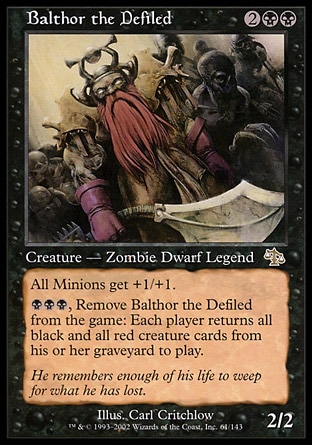
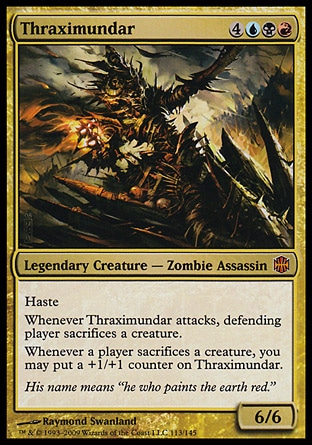
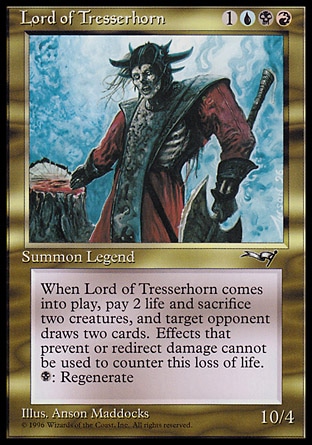
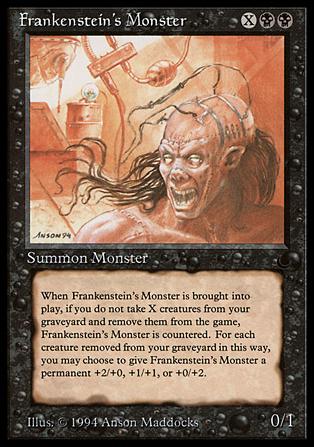
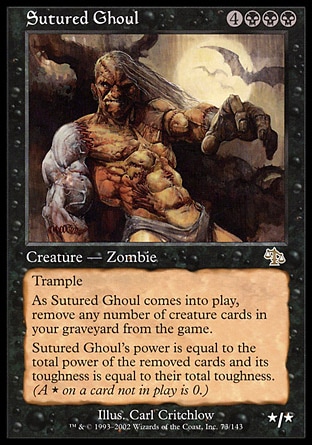
- The Adventures of Lomax has the Technically-Living Zombie variant. The zombies you encounter in the second world are actually lemmings magically turned by Evil Ed into monsters. They are blue and do the Zombie Gait at first, but start running angrily when hit once, and turn back into normal lemmings when you hit them the second time.
- Batman: Arkham City: In this case, Solomon Grundy is an immortal, electrically powered revenant who recites a children's rhyme.
- Bloody Zombies have numerous different flavours of zombie mooks, where after fighting off the first wave of regular zombies, you then fight zombified women with tentacles for limbs, teleporting zombies (who, true to their name, can Teleport Spam all over the place), zombified military personnel who still retain their fighting skills, spiked zombies who can fire their spikes from a distance, fat zombies who can self-destruct, zombie blobs which are Blob Monsters fused by various body parts, and the like. The uniqueness in zombie variety is justified due to the outbreak being an intentional Synthethic Plague, with the K.R.O.N.O.S corporation deliberately modifying zombies to create their ultimate weapons.
- There are zombies aplenty in different flavors in the Castlevania series, but in Castlevania: Symphony of the Night there is a special set of zombies. These three particular zombies are fought as a boss against Alucard by impersonating his three allies, Trevor Belmont, Sypha Belnades, and Grant Dynasty from the third game, with their abilities to boot.
- Cookie Run has Zombie Cookie, who is a zombie because he was made with spoiled ingredients and underbaked. His abilities in both versions of the game are themed around reviving after first running out of energy. He's non-hostile and speaks in Hulk Speak
- The Tower Defense spinoff Cookie Wars has Jelly Walkers, cookies transformed by a mysterious meteor. They've turned purple, have yellow jelly bean shaped eyes, are Covered in Gunge, and act like typical mindless zombies.
- The Undead in Dark Souls start off as living humans marked with the "Darksign," a black spot ringed with fire on their bodies. These include almost every human character in the game, including the Player Character. Upon death, they turn into something akin to a revenant — a near-mummified corpse still retaining its human mind and intelligence. Over time or as they die more, they eventually lose all of their humanity and become Hollow — monstrous killing machines that, although not utterly mindless, don't seem to be capable of anything more thoughtful than wielding weapons and trying to kill all who cross their path. It is possible for them to regain their humanity and the appearance of life, but it's not an easy process — methods include reclaiming humanity from corpses (slow, but comparatively safe), helping other Undead with their trials, or attacking other Undead to steal humanity from them. And it's not permanent, either; as soon as the Undead dies again, they go right back to near-Hollow state.
- Dark Souls III introduces the Unkindled, a new subrace of undead who tried and failed to link the fire and become a Lord of Cinder. They (like the protagonist) are resurrected when the bell of Firelink Shrine tolls and are tasked with finding the Lords of Cinder and bringing them back to Firelink Shrine to sit in their thrones and help rekindle the first flame. They do not seem to possess the Darksign like regular undead as they do not hollow when they die, but they can hollow when marked with the Dark Sigil. Unkindled have a burnt motif to their designs, their clothes flacking with ash as their clothes glow like burnt leaves; they lose this burnt motif if they die and can regain it (and their maximum health) using an Ember.
- A deeper look at the cosmology of the series reveals that The Undead are not truly zombies at all. They are in fact the primordial state of humanity prior to the discovery of the First Flame that introduced disparity to the world such as life and death. It was the Lord Souls that granted humans true life (and with it true death). Hollowing is simply humans reverting to their original state as beings who neither lived nor died, but simply existed.
- The zombies from Dead Rising are similar to those of Resident Evil (flesh-eating and plague-bearing) with a notable difference; the source of the zombie plague is an artificially mutated breed of wasp that carry the virus, which infects those it stings while implanting their brood in the host's body. The zombies have a strange reaction around queen wasps; when a queen is killed, the wasp larvae in surrounding zombies violently erupt from their hosts, blowing their heads off and killing them in a matter of seconds. These zombies also become more dangerous at night, with glowing red eyes and more aggressive behavior.
- The Necromorphs of Dead Space are zombies, but are removed from regular zombies by an extraordinary degree. Not only can they mutate and repurpose dead tissue into a variety of forms, they are extremely difficult to kill. Rather than Removing the Head or Destroying the Brain, the only reliable method to kill them is to cut off their limbs until they're incapable of movement.
- Similarly in the earlier game Demon's Souls, the Dregling is a human that has gone mad after having their soul devoured by the demons in the fog. Some Dreglings have some humanity left in them and can talk and trade with the player, others are completely hostile such as the slaves and former soldiers of the Boletarian palace.
- Destiny has several variants on this:
- The Hive are a combination of parasite and voodoo, being an entire alien species of what are essentially The Undead, who are linked to a parasitic worm-like lifeform that drives their bodies. The parasite is technically the only part of any Hive entity that is alive, with the rest of it being powered and animated by the parasite. The Hive being is still self-aware and can think and act on its own, but the worm parasite is the only thing keeping it alive, and in order to feed it and grow stronger, the Hive must collect Light from living beings that they slaughter.
- The second type of zombie is an artificial type, created by SIVA from reanimating the dead bodies of the Iron Lords that died in its replication chamber.
- The Darkness creates a variation of this through Demonic Possession when it wants to communicate directly with its servants, inhabiting and controlling dead bodies to allow it to speak directly to them, since without it the Darkness is a formless, shapeless mass of malevolence.
- Even though it's more of a demon invasion, the first Diablo had a unique view of where zombies come from. From the manual: "Zombies are formed from the corpses of men executed for the most depraved and degenerate crimes against the innocent. They are driven by both the hatred that consumed them in life and the undead hunger for mortal flesh." Though this was the only game in the series where this gets mentioned.
- The Black Death are variant zombies that will permanently remove 1 of your maximum hit points and there's no way to reverse this.
- Diablo 3 has the Risen Dead, which functions mostly like standard zombies, except that they're being animated by different source, namely the Falling Star, or Tyrael's excess power that was leaked when he's falling, which animated those unjustly slain.
- Zombies in Disgaea are created by piecing together dead body parts, and in later games they are fully healed when they kill an opponent, though they have no attacks that specifically eat flesh. Instead, they puke at foes, turn themselves into tornadoes, and inexplicably create at least twenty copies of themselves and consecutively body-slam the enemy for their standard attacks. They also have mohawks and hunger for brains. Of note, they are stated to be dead monsters, not human(oids), though they seem to pieced together out of human's dead body parts. The game isn't too clear on the issue.
- Interestingly, according to supplementary material, these zombies are stated to be corpses revived by the Netherworld's natural miasma.
- Other than their Establishing Character Moment in Hour Of Darkness, Zombies in later games are all shown to be every bit as sentient as other Netherworld denizens; being capable of speech, fairly intelligent and have the potential to rival an Overlord in power.
- Zombies in Doom³ are flesh eating (they consume both dead bodies and immobile zombies) but do not attempt to bite the player. They are not contagious, having being changed by spirits from hell, and go straight from alive to undead in most cases. Most civilian zombies are slow moving and have low intelligence, but military zombies are faster, more agile and smarter, utilizing pistols, shotguns, and submachine guns, and basic squad tactics. They also have a vulnerability to wounds to the body. Finally, the brain is not an indispensable target, even if headshots count for extra damage for zombies that actually have heads – there are certain civilian zombies whose only bit of head remaining is a stump of the lower brain stem and the lower jaw, and they orient themselves, vocalize and attack just as well as zombies with heads.
- There are two major types of undead in Dwarf Fortress:
- One is the zombie. Zombies are simply walking corpses that do not feel pain or fear, and with body parts that can rot. They can be created in one of two ways:
- Resurrected by necromancers, falling under the Voodoo Zombie subtype, or
- Resurrected in certain haunted biomes. note
- The other is the husk, which is created when a living creature is covered in a certain type of cursed dust, with intense hatred for all life, and greater strength than they ever had in life. They can spread the dust to other creatures, which runs the possibility of quickly creating an unstoppable Zombie Apocalypse. And not only do they (unlike normal zombies) retain all the skills they had while they were alive, they retain the ability to learn, so their skills as a killing machine grow the more they kill.
- One is the zombie. Zombies are simply walking corpses that do not feel pain or fear, and with body parts that can rot. They can be created in one of two ways:
- Dead Ahead Zombie Warfare: Zombies from Dead Ahead generally follows the basic formula of zombies, with the occasional mutations. However, they can be infused with an unknown and likely alien substance known as blue energy, creating highly dangerous varients.
- Elden Ring: Zombies (and animated skeletons) are known as "Those Who Live in Death". The reasons behind their appearance in the world are complex, but the simple version is that they are a result of a "flaw" in the Golden Order of the world, as their bodies live even beyond the departure of their souls. Interestingly, the game's lore describes them as having a rudimentary society, and there are areas where the player can see them praying to various things, showing that there are some vestiges of intelligence left in them.
- The Elder Scrolls:
- In series' lore, the Sload, "slugmen" native to the archipelago of Thras to the southwest of Tamriel, have a natural affinity toward necromancy. The Sload use these skills to re-animate dead bodies to use as slave labor.
- Atronachs are a type of unaligned lesser Daedra which are essentially the Elemental Embodiments of the elements they represent. The most common are the Flame (also known as "Fire"), Frost, and Storm varieties. Others include Air, Flesh, Iron, and Stone. Flesh Atronachs are notably the only type of Atronach that requires creation, since they're literally sewn together from corpses and reanimated.
- Morrowind:
- What the rest of Tamriel refers to as zombies, the Dunmer traditionally refer to as "Bonewalkers." They come in Lesser, Standard, and Greater varieties. They are summoned by Temple faithful to protect their Ancestral Tombs, which is considered to be different than blasphemous necromancy.
- Those inflicted with the Corprus disease are part Plague Zombie and part Technically-Living Zombie. They have nasty cases of Body Horror and their mental faculties degrade over time. Interestingly, there's you, the Nerevarine. During one quest in the main story the Nerevarine is afflicted with Corprus themselves. After completing a string of quests afterword you will eventually discover a cure, however it only works on you, and you still technically HAVE the disease but with only the positive symptoms and no negative symptoms. More specifically, the disease makes you biologically immortal and immune to all diseases. For those not lucky enough to get "cured," their only hope of dying once the disease has progressed is a Mercy Kill. One of the variants is even called an Ash Zombie, although the Corprus Stalker and Lame Corprus variants are closer to traditional plague zombie appearance and behaviour.
- The Bloodmoon expansion has Draugr, re-animated corpses of ancient Nords who have been in some way cursed. A self-aware Draugr, Aesliip, is encountered. Apparently, if you inflict revenant status on yourself (Aesliip had done it to be able to keep maintaining a barrier stopping a Daedric incursion), you get to keep your intelligence.
- Skyrim uses aspects of both voodoo and revenant in different ways for both zombies and draugr. The things actually referred to as "zombies" are bodies resurrected by magic that look like they did in life and are self-aware, but are forced to fight for the person who raised them (they aren't too cool with it). The draugr, meanwhile, look like traditional zombies and do not seem to be self-aware (although they are capable of using magic and Thu'um attacks), but rather than being raised by necromancers, they were members of an ancient dragon-worshiping cult who rose from the dead when dragons returned to the world (well, most of them. It doesn't quite make sense for every draugr encountered, and there is heavy evidence from Bloodmoon that there are other ways for draugr to come into existence).
- Enter the Gungeon has the Spent, a Bullet Kin resurrected without their intelligence intact as feral Empty Shell that can no longer wield guns, but only Zerg Rush Gungeoneers and attempt to bite them. Another type is Gummy, a Revenant Zombie Bullet Kin that Came Back Strong, keeping their mind intact and gaining an improved weaponry and the ability to summon a special version of Spent to fight for it.
- Epic Battle Fantasy:
- A zombified Gokunote appears as the Final Boss of Brawl Royale and Epic Battle Fantasy 1. In both cases, he appeared in his Super Saiyan 3 transformation.
- The Zombie Hydra is a recurring miniboss that is a completely skeletal duo or trio of hydra heads. It does not have the same green-skinned appearance as later zombies, but kept the name as The Artifact.
- In Epic Battle Fantasy 5, zombies can be found as both NPCs around Mystic Woods and enemies in the form of the Zombie Arms. They're always green and caused by some sort of curse. For some reason, some of them appear mindless and unintelligible, while others seem sapient and talk clearly. Three Greenwood Village residents become converted to zombies when they enter the Mystic Woods, and revert back once Laurelin is defeated or captured.
- Exit Limbo: Opening is set in a world of andromorphic animals, in the aftermath of a viral outbreak that turns most of the population into zombified Beast Men. While they display traits of the classical zombie (like moaning whenever onscreen, walking with a Zombie Gait and the like) their bodies are visibly mutated with their ribcages exposed, their heads swollen above their necks, and later on there are special infected capable of vomiting acid.
- Evil Islands: They come in two flavors: normal, lumbering ones (including recruits, warriors and experienced ones) and better preserved ghouls that for all intents and purposes behave like human enemies.
- Fallout:
- Ghouls are ordinary humans exposed to massive amounts of heat and radiation but somehow surviving. Ghouls differ from most zombies due to not strictly speaking being 'undead' in any way — there is never a point in the life of a ghoul where they are dead and then alive again. Ghouls do however physically resemble zombies, and 'zombie' is considered a racial slur against them. Ghouls are infertile and seem to live forever unless killed. About half the ghouls in the Capital Wasteland and surrounding areas have completely retained their memories and personalities, but have some memory problems due to most of them being hundreds of years old. Other, 'feral' ghouls have become mindless killing machines that attack any human that comes near them. Attitudes towards ghouls differ — the Brotherhood of Steel kill them on sight and many humans treat them with fear and disgust. Others, such as Three Dog and the citizens of Megaton understand that the difference between them and humans is largely cosmetic.
- Expansions such as The Pitt from Fallout 3 feature other flesh-eating, decaying-looking formerly human radiation monsters, such as Trogs, who are always mindless flesh-eaters and walk on all fours, and Wildmen, who seem to retain some human characteristics but eat people and cannot be talked to or reasoned with.
- The Fallout: New Vegas add-on Dead Money introduces the Ghost People, hazmat suit wearing former construction workers of the Sierra Madre Villa. When the Cloud got loose due to the Big MT's intentional experiments, the hazmat suits the workers were wearing corroded, trapping them inside, while the Cloud... changed them. They can still do semi-intelligent things like use weapons, fashion spears, and improvise bombs, but their only function now is to kill anyone who sets foot in the Villa. Also, unlike the above examples, they keep reviving unless you dismember them, blow them up, shoot off their heads, or disintegrate them.
- Old World Blues has the lobotomites, which are humans who have several of their vital organs, specifically their brains, removed and replaced with cyborganic technology. They can use guns, but they don't seem to have any sense of self preservation and are instantly hostile to any and all non lobotomites.
- Then came the Marked Men from Lonesome Road. They are former Elite Mooks of the NCR and the Legion that were caught in the Divide, and a combination of hazards such as the unique wind storms and radiation caused most of their weskin to be torn off, with only the Divide's radiation keeping them alive. They have no little sense of who they once were, and now just kill anything they see. Despite this, they still hunt, cut their food, use guns, and at least have some sense of self preservation, as shown in an ending where they allow the Courier passage out of the Divide out of fear.
- Fallout 76 has the Scorched, victims of a dangerous plague that eventually leaves its those infected as little more than irradiated ultracite statues. Until then, however, the Scorched are essentially akin to semi-feral ghouls, mindlessly attacking any non-Scorched while possessing enough intelligence to use weapons.
- Cie'th from Final Fantasy XIII are l'Cie that have failed their given Focus and transformed into crystal-ridden warped monsters. They have such heartwarming names as "Ghoul" and "Ghast". And they eventually degrade into immobile Living Statues called Cie'th Stones -that are still suffering. Even worse, a person's mental state can hasten the process, resulting in some less stoic l'Cie turning into Cie'th almost immediately after getting their Focus.
- The alternative isn't much better. When a l'Cie completes their Focus, their body is instantly transformed into a human-shaped crystal. It's little wonder that the humans in the Final Fantasy XIII world consider becoming a l'Cie to be a Fate Worse than Death (so much so that killing someone who had the misfortune of becoming a l'Cie is treated as a Mercy Kill).
- Even worse, the fal'Cie have figured out how to exploit a certain loophole; if a fal'Cie creates a l'Cie without a Focus, the resulting Logic Bomb creates an instant Cie'th. This effectively means that if the fal'Cie need an undead army on the spot and you happen to be in the wrong place at the wrong time — enjoy your eternal suffering as a shambling monster without any input or means of preventing it whatsoever!
- Guild Wars 2 introduces Zhaitan both Eldritch Abomination and Necromancer, who corrupts the Land he flies over. The Land creates both Plague Zombies (created by the Corpse Land) and Voodoo Zombies (controlled by Zhaitans will).
- Bit Monster's Gunner Z has zombies that were part of a weapons project by a rogue general who's doing a coup d'etat on the US gov't. Besides the standard zombie and a few usual variants (giant zombie and crawling suicide-bomber zombie), there's the Titan zombie. The Titans are twice the size of the already enormous giant zombies and the Titans have an energy beam Breath Weapon that hits as hard as a main battle tank's cannon. Also somewhat unusual is that these zombies are working with military forces — so you face gunner drones, IFV, and tanks using zombies as a screen.
- Halo: The parasitic Flood's standard method of infection is to have little green popcorn on legs burrow into your spine and override your neural pathways, and completely rewrite your genetic code, mutating your body into a tentacled, bulbous monster specifically designed to kill. And when they die, they can still be revived if another Infection Form comes along and reanimates it. Also, when your mangled, mattered corpse has been damaged beyond use, it bloats and becomes a hive for more Infection Forms. The Flood can also use airborne spores to similar effect.
- They also have some revenant elements to them, with infectees retaining some of their original abilities (which is why they can shoot, drive, and even pilot starships). Additionally, every Flood form is apparently a repository for the collective memories, knowledge, and intelligence of every single sentient the parasite as a whole have consumed; when an outbreak has reached a great enough level, they will form Graveminds, giant Flood biomasses that can access this hyper-intelligent Hive Mind and telepathically control every Flood form within their range of influence (which can extend up to at least a star system). Once the Flood reach this point, they will go beyond simply infecting targets, and begin using their biomass as building blocks for even more dangerous Flesh Golems designed by the collective Hive Mind.
- The Forerunner Saga reveals that they also have artifical zombie elements; they're the result of the Forerunners' own precursors going into hiding by temporarily turning themselves into dust and Coming Back Wrong.
- Heretic 2 zombies are former townsfolk that have been driven mad, sickened or prone to violence by a magical plague, however it seems they cannot spread the disease, plague bringers are needed for this.
- In Hollow Knight, the undead of Hallownest, some reanimated by the Infection, others corrupted while still alive, are known as Husks, identifiable by their glowing yellow eyes. Furthermore, many of the Husks encountered in Deepnest are afflicted by the Corpse Creeper, a Cordyceps-like Puppeteer Parasite that controls their corpse after you strike them down.
- House of the Dead (1996) is the Trope Maker of the "fast zombie" archetype, where zombies could run and have more intellect. Fast zombies have become common in zombie movies and video games since the 2000s.
- Other things that make the zombies of House of the Dead fairly unique include their fairly high intelligence (They're shown to be capable of using tools such as axes or chainsaws, and some bosses are able to hold actual conversations), their focus on outright killing targets, rather than infecting them (though it is possible to become infected in some cases), and the fact most of them are artificially created genetic experiments (hence why they're usually referred as "Monsters" or "Mutants").
- Kirby Super Star Ultra: The True Final Boss of the game, encountered at the end of the True Arena, is Marx Soul, the undead and more insane incarnation of Marx from Milky Way Wishes who was formed from absorbing pieces of Nova with a differently colored jester hat, a Maniac Tongue out at all times, dark red wings, dark purple skin, and a necklace with a pink gem in the center which seems to be made from those pieces of Nova. Not only that, but he also uses attacks from Drawcia Soul of all characters, a trend which would continue as the series goes on.
- The zombies in Last Empire: War Z are plague-bearers, but are prone to radical mutation, they're smart enough to communicate in their native language, and can even be tamed. This led to the development of the Biochemical Center, which lets players manufacture zombie super-soldiers by genetically modifying The Virus and then injecting either a zombie or a "volunteer" with it.
- The Last of Us: The Infected are in the Technically-Living Zombie category, as the fungal infection that creates the Infected only affects living human beings that have either been bitten by an Infected or through the airborne spores left behind by fungal pods and the remains of dead infected. This is even stated by Joel within the game: "Dead people don't get infected."
- The zombies of Left 4 Dead took Resident Evil's virus mutant zombies and ran with it. The zombies here have various mutant strains with varying powers, such as the tank being an 8-foot tall muscle-freak abomination that can smash through obstacles with ease and soak up tons of gunfire from a group of survivors. Likewise, the common infected are implied to scratch and bite the survivors, but they mostly attack by punching and beating on them and kicking/stomping them when they're down.
- The Legend of Zelda has ReDeads, which are zombie-like beings. On top of the standard Zombie abilities, they can unleash a scream of dark magic to paralyze their target. Twilight Princess has Twilight Beasts, which are strong, fast, smart, and durable zombies. They have a scream too, but the paralysis wears off almost instantly. Unfortunately, it also revives any nearby Twilight Beasts, so it’s not a completely downgraded ability.
- Marco & the Galaxy Dragon plays it for laughs with an episode of Galaxy TV Drama. In it, a woman and her son are fleeing from the zombie horde that has overrun their town. Both end up caught and bitten… and are pleasantly surprised to discover that zombie bites relieve muscle cramps and back pain.
- Zombies in Super Meat Boy are corpses of a dead Meat Boy. Meat Boy respawns as normal when he dies, but his former dead body is resurrected as zombie, potentially making the amount of zombies infinite. Those zombies tend to hang around Hell and Rapture and are also capable of fusing together into a larger creature.
- Metal Gear Solid 4: Guns of the Patriots. Well, not exactly, but half-way through the game, when Liquid represses the Mercenary Army's nanomachines, causing their emotion and reason to flood back into their brain, the Private Military Contractors in the area are brain damaged. Guess what? They shamble, moan, and are pretty much Classic-Romero zombies, to the point of mindlessly rushing Snake (and not reacting to any sort of stimuli). There's no biting or undead stuff, though.
- In Metroid Prime, there are Zombie Space Pirates, who move just as well as living Space Pirates. In Metroid Prime 2: Echoes, Dark Troopers are added to the mix, being much more similar to classic Zombies except with armor and energy-weapons.
- Zombies in Minecraft are just your typical zombies, aside from the fact that they only come out when it's dark, and getting caught in direct sunlight causes them to burst into flames. They attack you without provocation, but there's no indication that they eat your flesh. Interestingly, you have the option of eating their flesh, which may give you food poisoning but is nevertheless helpful for warding off starvation. You can also feed it to pet wolves to heal them without any downsides. Zombies cannot turn the player into one of them, but they can infect the Villager NPCs by killing them, turning them into Zombie Villagers. Zombie Villagers can be cured by a Golden Apple and a Potion of Weakness, but the same cannot be done with regular zombies.
- In Myth, the Leveller is a dark god who perpetuates an endless cycle where good and evil reign alternately for 1000 years each. The Leveller has created Thralls to be his base troops. Each Thrall is an Unskilled, but Strong zombie with a hefty axe that can take a good chunk out of its target, if it hits. Backing the Thrall are the equally mindless Wights, these are bloated gasbag zombies that can explode with more force than a dwarf's tossed bomb.
- The zombies in Nazi Zombies were created by being injected with Element 115, and being somewhat controllable (with color-coordinated eye glow as well). While headshots will deal considerably more damage, it is not a requirement and some can live for a few seconds with their head blown off and still attacking you. Injecting them with more 115 can turn them back into being human.
- New Legends have Xao Gon's zombie soldiers, which turns out to be former Soo Kingdom warriors who fell during his conquest; he then uses his sorcery / science (it's not made clear) to convert their bodies into his zombie minions. Early in the game, an unfortunate scout mortally injured by Xao Gon's archers begs to be killed... only to turn into a zombie and attack.
- The latest incarnation of the Nexus War series has both magical zombies summoned by player necromancers and NPC plague zombies. If a character is sufficiently unlucky, it's possible to get one's body ripped in two (or more) pieces that get resurrected as both kinds. Which are then forced to fight each other.
- Not Dying Today have an assorted variety of zombies, from low-ranking, common undead to stronger zombie gangstas, nurse zombies armed with syringes, flamethrower-wielding zombies, insect-headed zombies, gigantic quarterback zombies, not to mention several zombies capable of firing guns and piloting vehicles.
- Plants vs. Zombies has a humorous, light-hearted take on the living dead. Zombies can speak (mostly just the word "brains") write (horribly and near-illegibly) and have individual personalities. They appear to be truly dead, as they rise from graves and only want to eat your brains instead of infecting the living. The basic zombies just slowly shamble around, can only bite things to attack and are as dumb as rocks, but the more advanced zombies are smart enough to use tools, weapons and technology to get themselves closer to your house. In addition to zombies that are only smart by zombie standards, there are also zombie braniacs that create and use sophisticated technology, like the Mad Scientist zombies from Garden Warfare and the Big Bad Dr. Zomboss, who speaks articulately and has built and piloted numerous Humongous Mecha.
- Kyurem from Pokémon Black and White is a frozen zombie dragon that is said to have a taste for human flesh. It's so feared by people that an entire, walled village refused to go out at night in fear that it may devour one of them. A tradition they continue to this day.
- Prismata has the Grimbotch. It's a cheap attacker that you can purchase early in the game, but it's so unstable that it falls apart after a few turns.
- While Project Zomboid uses the classic "Romero rules" (strength and toughness of an average human, dumb as doornails, moving at a fairly quick gait, no special infected or zombified animals, one bite always infects without exception) for its zombies by default, it also has a "Zombie Lore" menu that lets players customize the nature of the zombie hordes, adjusting their speed, strength, toughness, intelligence, memory, and sensory perception (sight, hearing, and smell) as a form of Modular Difficulty. It is possible to play a game with zombies turned off completely, or to have fast zombies capable of opening doors and detecting you from far away that function more like Daywalking Vampires than anything.
- The Infected in [PROTOTYPE] seem to range all over the place. BLACKLIGHT seems capable of creating plague-bearing/flesh-eating Infected, the rank and file of which act like the typical shambling zombies. Then they start mutating into faster and deadlier forms. Then you have Alex Mercer who is a mixture of revenant and artificial, after his corpse has been taken over by a sentient strain of BLACKLIGHT that the real Alex Mercer developed, going so far as to think that it is the real Alex Mercer.
- The undead in Red Dead Redemption: Undead Nightmare are a combination of flesh-eating, plague-bearing, and to some extent voodoonote . In addition to the basic infected humans, there are a number of specialized undead that seem to be Expies of the special infected from Left 4 Dead.
- The zombies of the Resident Evil series are flesh-eating, plague-bearing zombies who are also, to a certain extent, constructed. The zombies are the result of the T-virus, engineered by the evil Umbrella Corporation, although the zombies are simply a by-product of the virus, which is designed to create more powerful and dangerous creatures to be used and sold as weapons.
- Technically, the zombies of Resident Evil 4 and Resident Evil 5 fall under the parasite classification. This is due to the fact that they are turned into what they are by the plagas parasite. In Resident Evil 5, it's actually an altered version of the parasite. A case could be made that the enemies of Resident Evil 4 also fall into the Voodoo category as they're controlled by the Big Bad of the game.
- In Shantae, the zombies you meet in the game are just as intelligent as living people, and drinking coffee is apparently what keeps them that way. They're also (for zombies) a fairly decent bunch; even Rottytops, for all her threats of eating people and her reputation as a troublemaker and rabblerouser, actually hasn't so much as hurt a fly over the whole series — the only actually villainous thing she has done is kidnapping Shantae's uncle Mimic, which she regretted immediately and ran away crying out of shame and guilt, and has been much friendlier to Shantae to try and make up for it.
- 'Siren Games'' has people known as "Shibito". Shibito have all the standard setup of a zombie-like entity, but are not technically dead. they are controlled by the alien god Datatsushi to eventually turn the world into a hellish realm for him to live. The Shibito cannot die, they can be harmed but can heal very quickly, their bodies can mutate and become bug like or grow an excessive number of eyes, they lash out at anything not infected, they are hive minded, they use firearms, they plan and think, and they wander about pointlessly looking for people not under the control. How one becomes a Shibito is vague at best, as multiple individuals that fit the criteria for a Shibito are not Shibito during any part of the game, while other people who have nothing to do with the town become Shibito towards the end.
- Ms. Fortune in Skullgirls the only thing keeping her alive is the life gem she swallowed; without it, she'd die.
- Squigly from the same game is an even better example, being a 14-years-dead corpse resurrected to serve as one of the Skullgirl's mindless minions. Only the presence of her parasite Leviathan allows her to retain her memories and free will.
- Sonny has the main character (who is named Sonny), who is technically undead, but aside from that is nothing like conventional zombies. He's capable of thinking, talking, and other stuff an ordinary human can do. Averted with some enemy zombies you happen to run into, with the possible exception that they vary a bit more than average. He's not the only one though. There's also Veradux, who joins your party, Baron Brixius, who is undoubtedly evil, and Felicity, who appears in the sequel and later joins you.
- Sanizited Octarian in Splatoon 2 Octo Expansion would count as Technically-Living Zombie as they have many traits that would make them count: They have been sterilized or disinfected, allowing them to be controlled, and had "life's energies" purged from them. They also do not show up on radars indicating they have no signs of life.
- Zombies from S.T.A.L.K.E.R. are brain-damaged former stalkers who, while quite resistant to gun fire, show no signs of actually being undead. It's suggested that they just got too close to the 'Brain Scorcher' and lost their minds. They also know how to use guns (badly).
- These aren't complete zombies in some instances. In S.T.A.L.K.E.R.: Call of Pripyat, they can be found muttering garbled words back and forth, and will move their arms towards barrel fires. They even loot corpses and replace their weapons with better ones.
- The Zerg from Starcraft are just as zombie like as the Borg, but purely biological. If you infest a Terran command post, you can even create Infested Terrans to suicide bomb your enemies.
- Stick War: The second game in the series introduces Deads, shambling undead stick figures that provide the Chaos Empire with ranged firepower by throwing their own poisonous guts at enemies and are surprisingly tough given their decaying flesh. Stick War: Legacy, the Updated Re-release of the first game, further diversifies them, relabeling the Stick War 2 version as Toxic Deads (carried over into Stick War 3, and retroactively upgrading them to Elite Zombie status) and rebranding basic Deads as your garden-variety, melee-ranged Cannon Fodder.
- Super Mario Land has an enemy that is based on the Chinese mythology of zombies. Mario can stomp on them all he likes, but the monster will keep reviving itself. Only the Super Ball power up can truly kill them.
- Survivalist: The zombies are the result of a virus synthesized from a company trying to produce a cure for erectile dysfunction. When the company went bankrupt, test subjects were allowed to return home to spread the infection to others, resulting in the Zombie Apocalypse. There are different types of zombies which are created by different strains of the infection, with their irises Color-Coded for Your Convenience. Other than their pale skin and weirdly colored eyes, they all look like normal humans. Their bites spread the infection to survivors but its curable with the corresponding antigen, save for White Strain and Invisible Strain. Zombies also sprint at an alarming speed and lurch at you like animals (While shrieking at the top of their lungs), rather than shamble about slowly. However, they will still limp like your average 'slow zombie' if you manage to cripple them. It's ambiguous if they are undead humans revived by the virus or if they are Technically Living Zombies.
- Tales of Symphonia: Zombies are enemies fought in the first two battles.
- Yoshika Miyako from Touhou Shinreibyou ~ Ten Desires is that while she is a Jiangshi, she is better described as a zombie with a funny-looking sticky note on the forehead. She was resurrected to guard the mausoleum of Toyosatomimi no Miko, she cannot feel pain, is stiff from rigor mortis, is barely smarter than a brick and can temporarily turn someone into a zombie. Part of this is because in the "outside world" (a.k.a. the real world), Jiangshi aren't talked of much but zombies are becoming popular, which affects things in Gensokyo.
- The TimeSplitters games are rather fond of zombies, and gives them amusing names like Gilbert Gastric, Daisy Dismay, and Mr. Fleshcage. The third game even had them quote a recurring line from Shaun of the Dead as a tribute, because TimeSplitters 2 had a cameo in the film (as the FPS game that Ed and Shaun play).
- In The Twisted Tales of Spike McFang, Dracuman Castle has been invaded by zombies that breathe fire. Only the English version calls them zombies; they were apparently supposed to be quasi-Quasimodos.
- The zombie in The Ultimate Haunted House is one of the monsters in the house, which sleeps in an iron maiden in a torture chamber in the house's basement. It is mindless, bright green, and looks like its skin is melting off, and unusually for a zombie, it attacks with magic curses rather than directly. Like all of the monsters in the house, it is described as "nasty" and cannot be attacked, only fled from.
- Video Game/Valheim's draugr the still-shambling remnants of a long-destroyed civilization. They're vicious bastards who come in ranged and melee varieties, hang out in half-sunken crypts in swamps, towers in the mountains and abandoned villages. With the appropriate gear they aren't (quite) as deadly, and instead provide a more visceral sort of horror in that they drop Entrails, the main use of which is making sausages.
- Warcraft III and World of Warcraft: Zombies are the most basic kind of undead (so basic that you can't even train them when playing as the Scourge) created when any normal human dies to the Plague of Undeath. Without a necromancer to control them they wander, aimlessly attacking any living who approach.
- In the Wario Land series, Wario can end up becoming one if he gets attacked by a zombie or ghost. While he moves more slowly than usual, he can get past one-way platforms by jumping and decomposing, letting his hat fall through and recomposing afterwards. Cures for this state of undeath are usually exposure to light and water.
- The minigame "Zombie Tag" in Wii Party involves Mii getting trapped in a Creepy Cemetery with seemingly classical zombies running amok and trying to turn them into other zombies. The twist is that the whole zombie thing isn't permanent: at sunrise, every single Mii (even the ones that were already zombies in the first place) turn back to normal.
- The zombies in the Hell-themed levels of Xena: Warrior Princess, despite being undead, can display a certain level of sentience, and even taunt Xena during battles.
Zombie Mook: "I'm not dead yet!"
- X-COM:
- XCOM has a few varieties. In the original UFO Defense and the reboot, Zombies are made when an alien called a Chryssalid kills a human. The zombie will act aggressively towards humans until killed (in UFO Defense) or left alive for several turns (in Enemy Unknown) at which point they will hatch into a new Chryssalid.
- XCOM 2 gives us two new types of zombies:
- The base game has the Psi-Zombies, human corpses reanimated by aliens with Psychic Powers. These zombies act much like the Chryssalid zombies above, but rely on the mental link to their reanimator, and if the psychic alien is killed or disoriented by a flashbang grenade, the zombie will die.
- The War Of The Chosen DLC gives XCOM the most 'zombie-like' zombies in the game, though ironically enough the only type of the three not to be named 'zombies', the Lost. Their origins are actually quite murky; they're assumed to be created as a side effect of chemical weapons or experimental terraforming gas deployed in the early days of the war, but no one seems to know for sure, and despite the fact that they seemingly have no way of converting other humans their numbers remain steady, even increasing, even as ADVENT continuously sends specialized teams to try and wipe them out. They lumber around, attack humans and aliens alike on sight, are attracted to loud noises, and are vulnerable to headshots. They're realitively mindless but still intelligent enough to travel in packs so as to overwhelm their prey. They also have a couple of Elite Zombie subtypes, the Dasher and the Brute.
- Bowser's Kingdom has the zombies infected with Poison Mushroom spores from Episode 666. They eat flesh and turn anything into more of them.
- MEOW has adorable kitty zombies created by toxic waste that seeped into a graveyard They don't die from a Boom, Headshot! and even if you kill yourself before they get you, you become one anyway once you die.
- Doraleous & Associates has the undead in Georgiana. For the most part, they're typical Flesh Eating Zombies... but they're also Technically Living Zombies, and can be cured if bitten by a non-zombie.
- Dreamscape: Ethan and Curien are sorcerer zombies, although they don't look much like zombies.
- Madness Combat: Zombies (Usually referred to as either zombehs or zeds) are generally created whenever Jebus ressurects dead AAHW agents and follow his commands. The most notorious example of this trope is Tricky the clown. Whilst having the same appearance of green skin and huge, bloody teeth like the other zombies in the series, Tricky somehow has still retained a sense of his original identity as he goes around doing his own thing, chasing Hank and being as batshit insane as he was before.
- Super Apartment Bros: In "The Cleanening" it's "zombie season" and the undead wander into the apartment when Igam forgets to lock the door behind him.
- Xombie: The titular "Xombies" (or Variants and Talkers as they are called in both the series and comics since "xombie" is pronounced the same way as "zombie") retain the sapience from their previous lives, but have no memory of said life. Just like the feral zombies in the same setting, they are Plague Zombies. However, Variants are an anomaly in the setting's Zombie Apocalypse and a result of the reanimation virus taking control of the brain before losing consciousness.
- In The Adventures of Wiglaf and Mordred, there's one character who is a zombie, but the only evidence is that he has a Healing Factor and no pain response after the initial injury. He's also invincible, as the usual "destroy the brain" thing doesn't work. He's also completely sentient.
- Zombies are used for manual labor in one city in Beaches and Basilisks.
- Bogleech:
- Taken to the extreme in Bogleech Comics Zombie Fans story. Here we have zombies that breathe miniature zombie sharks when shot in the head, giant zombies with cheerleader puppets attached to their heads, zombies whose heads explode in a massive pyrotechnic display when they're cut off, and when three of them bite you at once, you mutate into a tree that sprouts fruit that turn into mini-vampires.
- Bogleech's Awful Hospital has human patients transform into Slobs after death, or in some cases an arbitrary amount of time after being revived. Bog has indicated that anything can slobbify under the right, extremely rare conditions, but Gray Zoners (read: humans) are so incompatible with the Hospital on a basic level that the very concept of humanity begins to break down, causing them to slobbify based on whatever affliction they're suffering from.
- Taken to the extreme in Bogleech Comics Zombie Fans
- In Boyfriend of the Dead being bitten by a zombie causes near instantaneous clinical death and reanimation as a zombie (to the point that they won't necessarily fall over if standing during the conversion). Although the disease has damaged the parts of their brains that deal with speaking, but other than that all zombies seem to retain their full intelligence, the ability to understand each others' groans like speech, and at least some of their personality... plus a compulsion to devour uninfected humans upon smelling them. Initially act like Romero Zombies, slow and shambling, but going long enough without eating humans apparently restores their full speed, balance, and senses.
- Main character N is disgusted by most humans, refusing to eat them.
- The Twins turned into zombies because they attacked and bit a hapless zombie, and feel no desire to eat humans when the toy store they turned in has a perfectly good bakery.
Einz: Why would you want to eat humans when there're cakes???
- There are several types of zombies in Charby the Vampirate including the twins Mye and Hexavier who were originally Voodoo Zombie s before Hex regained enough control to fight back and ended up very lifelike.
- Girl Genius has several different types. Besides "traditional" zombies, they also have Jaegermonsters and Constructs, which are essentially creations, and Revenants, which are infected by a slaver wasp. They are like sleeper agents, going about their business and not even realizing they are infected until triggered to fight on the behalf of "the Other". And there's Doctor Mittlemind, who is technically dead, but thanks to some Mad Science, is still active and in possession of his original personality.
- In Hanna Is Not a Boy's Name, we only see one zombie, who is the narrator. Exactly how he ended up as a zombie is unclear, with Hanna only vaguely mentioning rumors of a few successful instances of reanimating the dead. Upon becoming a zombie, the guy turned green, his eyes became sunken and glowing, and while he could still feel pain, having severed limbs re-attached doesn't hurt very much. He also doesn't sleep, smells like a room that hasn't been aired out, and shows no inclination to eat the living. Since he's the only one we've seen as a zombie, it's yet to be confirmed if this is normal zombie behavior for the series.
- Heroes of Thantopolis Zombies are incredibly weak, and are penned up in a movie theater and have popcorn thrown at them, killing them instantly.
- In Hooves of Death, while the typical zombie functions like a Romero-style shambler, their outbreak seems to be magical in origin. One infection that the unicorn protagonist Glitter witnessed firsthand involved nothing more than a child holding an innocent-looking butterfly, which corrupted the girl into an Undead Child that immediately attacked Glitter.
- Kong Tower Lampshades this here in which Rob McCobb, Zombie P.I. cites just about every option listed on this page as possibilities for how a slowly-turning zombie will end up. Sort of Subverted in that it turns out to be the stereotypical "Brains!" moaning zombie.
Rob McCobb: People think zombieism must be one condition, like a disease. Truth is, "Zombie" is about as descriptive as "Biped." Or are you the same thing as a bird, kangaroo, and Velociraptor?
- Modern MoGal: Zombies retain their consciousness, and do not die even when their head is removed.
- Bo himself in Monster Soup may be different from other zombies in the same universe in so far as he has not expired yet. Also, there is something different about his blood even among zombies that makes it a Fantastic Drug.
- The Sorceress of Oglaf has at least once raised an army of the undead... so that she can watch them make-out with each other, raising the possibility that she started out as Bob's Burgers' Tina.
- Phantomarine: The seaghosts drain life away from living organisms and their bite can turn people into Fata Morgana assassins. They are also kept away from the lighthouses.
- In Rhapsodies the Department of Minor Nuisances makes a distinction between Voodoo Zombie and everyone else. (Apparently they have separate unions.)
- In Sarilho, the Deslusos are the corpses of dead soldiers, raised to fight one more time. They essentially work like puppets and need a commander in order to operate, and can even be made to talk.
- Sinfest
- There is a character who is simply named Zombie, a Gentle Giant who enjoys listening to Fuchsia's stories. He is of the sentient type and doesn't even attempt to infect others.
- Anyone who is either a liberal, those with progressive views, or a furry-fan are portrayed as zombies called "wokebies", or Wokes for short. True to Ishida's views, their behavior are barely human and act more like zombies (and are often the target of being run over by Tex's wife).
- Skin Horse has millions of zombies of various kinds, mostly intelligent. At one point it is questioned whether a human corpse puppet-operated by a hive-mind swamp qualifies, but Unity argues:
Unity: Who's us? You're a bio-revenant. I'm nanotech. The Emperor is an undead extension of his people's will.
- Sluggy Freelance uses new rules every time.
- The zombies in "Sluggy of the Living Freelance" are pretty standard shambling rotten corpses. They're really just actors, though.
- The Deadels created by K'Z'K are undead people who have had their souls stolen. They instantly turn grey-skinned and get Glowing Eyelights of Undeath when they turn, and they sometimes have some bits of intelligence but are controlled by K'Z'K. Some of them have wings. K'Z'K can also turn living persons (including a literal Physical God) into creatures like this under his control if they're wicked enough.
- The geeks in "28 Geeks Later" are a parody of zombies; they're living, but their brains have been altered all the way to the geeky direction, replacing all social skills with theoretical intelligence and thus making them supergeniuses but totally animalistic. They can spread their infection on contact because it's caused by genetically modified, brain-altering earwigs.
- The zombies in "A Time for Healing" (or at least those that are explained) are Technically Living Zombies that end up embodying most zombie tropes. They have gained immortality, but at the price of having to consume every kind of human tissue in order to keep theirs from rotting away. Hence, the smart ones are especially keen on brains. They still inevitably look rotten after enough time, and most become almost mindless as well.
- The "ghouls" in chapter 52 have ushered in a kind of Zombie Apocalypse on an alternative-dimension Earth, but it's evident that they're living creatures, and nobody knows what their origin is. They're really a Horde of Alien Locusts that have assumed human-like forms through cross-breeding.
- The rage-husks in "Hate" are plant-zombie-creatures created by the power of a demon. They do have to die first, and then they'll walk around with their former personalities not realising they're dead until a surge of hate consumes their soul and inititates the transformation.
- In "The Nom," a computer programmer has created an addictive game that also hides a secret code that can make people mindlessly hunger for human flesh. (These are referred to as "nombies".) It doesn't quite work as intended; human minds have too good defences against that sort of thing — except after a really long exposure — but non-human animals become affected and start attacking humans. Talking Animals are somewhere in between.
- The monsters from Stand Still, Stay Silent have a lot in common with zombies. They're people (and animals, with house cats being the only immune mammal) killed, mutated, and ressurected by The Virus. They all have a desire to eat flesh. However, they spread Meat Moss everywhere, are called "Trolls" by the Scandinavian cast and conglomerate into creatures referred to as "giants". They might also be magic zombies; one of the theories about them is the gods got sick of everyone ignoring them and crashed civilization. The fact that The Magic Comes Back shortly after the Zombie Apocalypse lends credence to this.
- Zombies in Undead Friend come from forming pacts with ghosts and gain the ability to swap their lives with them temporarily, causing them to become undead. While they gain some new abilities they also retain their personalities and intelligence.
- In Unsounded, plods are corpses reanimated with magic to serve as soulless slaves. They are controlled and animated through a Magitek mask, work tirelessly without maintenance, and can even perform complex tasks independent of a handler if a magical programmer takes the time to design individually-customized subroutines. Unfortunately, not only is there a hard limit on their lifespan due to their inability to recover from wounds and wear, but all Magitek in this setting is susceptible to becoming Haunted Technology by negative-energy ghosts, which eventually turns plods into standard 'hungry-for-flesh' zombies that need to be put down. In the comic proper, there are two revenant 'prototypes' that have successfully preserved their hosts' souls beyond death, but are deeply flawed and breaking down both physically and mentally. Duane has a pymaric implant grafted to his backbone which tethers his soul to his body; the upside is that his rot rate has slowed down and he can keep his body maintained with magic, but the downside is that he turns into a feral ravenous zombie every night, made of a split personality that is slowly merging with his own, which is worsened by the pain and rot he feels while conscious. Murkoph is a general unknown, a being whose bodily functions still work despite all the starvation and maiming that would kill anyone else, and is physically trapped in the afterlife. Whatever was done to him also turned him homicidally insane.
- Plods were invented by discovering actual zombies. During wars, magical overuse would sometimes cause Reality Is Out to Lunch, which occasionally caused dead soldiers to get up and walk around for no apparent reason. While these zombies would die after reality reasserted itself, the witnesses realized that if magic could bring the dead to unlife, humans could industrialize the process.
- Unwinder's Tall Comics has the After Dark novel series, starring a bevy of zombies in name only.
Horse-man: Wait, he's a zombie but he's handsome? And he's an amazing basketball player? And he can FLY? What on earth makes him a zombie? What conflict does the story have?
- The zombies in the Korean Web Toon Wake Up Deadman are just normal people who happen to be dead and rotting, it's the media and the government that makes them out to be a mindless cannibal hoard. They don't need to eat or sleep, although if they become sleepy it means they're too damaged and will die for good.
- Wastelanders Anonymous: Jeff is a zombie. At least that's what everyone calls him. So far, he's acted exactly like a normal human though he's kinda helpless. Also he has that scar that never healed because he doesn't have any blood to heal with. Benjamin also teased him that he can be killed by a bullet through the brain. Other than that, he's just another human.
- The zombies of The Zombie Hunters are divided into seven different classes. All are Flesh-eating Plague-bearers with Black Eyes of Crazy, but each class has their own traits and behaviors, and many have superpowers. Crawlers are old-fashioned Zerg Rushers, but hidden among them could be Howlers , who emit a cry that causes nausea and vertigo, Spitters, who vomit acidic poison from as far as fifty yards away, or Basilisks, who paralyze with their gaze, eating victims' faces while they're helpless to move or speak. Mercies move like humans, only approaching the sick, injured or dying. They bite, then hold and comfort the dying victim, protecting them from other zombies. By contrast, Hunters and Bersekers are faster and more agile than normal humans. Hunters are solitary, stealthily stalking victims over any terrain, for as long as weeks before ambushing them. Berserkers, who travel alone or in small packs, are the rarest and most intelligent, strong and capable of outrunning human sprinters once they sight prey. After ambush, they slowly and sadistically beat and torture their victim into unconsciousness before biting, all while grinning and laughing madly. Only being bitten or vomited on causes imminent zombification. Otherwise, exposure to bodily fluids through an orifice or wound leaves a person alive but Infected. Able to live full, asymptomatic lives, their virus is communicable, but dormant until death, when they'll inevitably reanimate. An exception to the above classes is Charlie, who through Applied Phlebotinum, also becomes a revenant, regaining healing, full sentience and partial humanity but left with the capacity to starve, Ghost Amnesia, a dependence on donated blood and tissue and a need to disguise his zombie traits as he lives amongst Infected humans.
- Codex Inversus: Zombies are basic undead, automaton-like beings created by using a spell to keep the soul from dissolving into the mana field. Devils turn executed criminals into zombies to ensure that they'll still receive an appropriate eternal punishment in the wake of the afterlife's collapse.
- Hamster's Paradise: The Severe Infectious Harmster Transmissible Tumor is a kind of infectious cancer that primarily infests the central nervous system, and which spreads through tissue contact — especially through bites and ingestion of tainted flesh. The damage to its victims' nervous systems reduces and eventually destroys lucid thought and perception while increasing their aggression to facilitate its spread, while the damage to the nervous system leaves the host vulnerable to other diseases. The result is hordes of groaning, zombie-like shamblers, literally rotting alive and often missing limbs, jaws or eyes, driven to attack and infect as many others as they can before their rotting bodies finish falling apart.
- How to Hero: The entry on zombies presents a whole slew of different kinds of zombies. The author of the guide also repeatedly claims that his greatest fear is zombie grasshoppers. Since they're small, they can jump, and you'll never see them coming.
- Mortasheen: By the same creator as the Zombie Fans comic above: Zombies have an extremely powerful Healing Factor, most are insane but some retain their former intellect (and thus are suitable as player characters), and if they try to have sex, they can produce one out of many horrible zombie/fetus monsters. There's also the implication of weirder things, as it is implied that the Zombie Virus (which is in fact a collection of different viruses, present in every living human and activated when they die) was designed to create the Starchild-like Oovule as its ultimate result, somehow gone horribly wrong — or perhaps it went just as planned, they never say.
- Sacreya's Legacy: The main character, Ben Mason, was saved from death by a good-natured Mad Scientist and retained his memories and intelligence. However, he does have to resist the flesh-eating aspect, and when The Virus spreads across the city, it's shown that the majority of the infected become mindless monsters.
- SCP Foundation:
- It isn't exactly clear what happened in the alternate world of SCP-093 ("Red Sea Object"), but the...things that roam that world are nasty pieces of work. The "Unclean" are massive creatures the size of buildings, immune to all known types of weaponry, absorb human beings by contact, and the minds of those absorbed are kept intact, wondering why this happened to them for all eternity. All of this was brought about by an Eldritch Abomination masquerading as God.
- SCP-1700 ("Debtshop"). When someone dies while wearing a SCP-1700-A yellow scarf, their body is transported to a sweatshop and becomes animate again for as long as it's inside the building. The body still has its memories and fragments of its personality.
- It isn't exactly clear what happened in the alternate world of SCP-093 ("Red Sea Object")
- The Federal Vampire & Zombie Agency: Zombies are caused by a virus but for anything else they are pretty much the classic Romero zombie lore.
- In Brains, zombies can pass as living humans if they consistently eat brains, even animal brains. They are also capable of having sex without spreading the infection, though they are not capable of sexually reproducing.
- Carrow from JourneyQuest. Originally a Cleric serving an undead-hating deity, he gets killed by Orcs in the third episode. Sir Perfluous, the party's dyslexic Wizard, attempts to revive him, but because of his dyslexia, he messes up, turning Carrow into an undead cleric serving an undead-hating deity.
Perf: Eek, a Zombie!
Carrow: Not a Zombie. You see, there are two basic types of undead. First there are the corporeals, which are skeletons, zombies, ghouls... Living bodies, without a soul. Then you have the incorporeals, which are ghosts and wraiths... Living souls, without a body. What you have managed to do, which has baffled scientists and necromancers for centuries, is you have created a sentient corporeal... A living soul trapped inside a rotting corpse!Perf: Does it hurt?
Carrow:Being undead? Kinda itches. The burning resentment, however... - Kureiji Ollie of ''hololive is a hyperactive zombie that streams and sings but has little interest in eating flesh.
- Emperor Zombie from the unaired pilot of The Amazing Screw-On Head (and the one-shot comic of the same name). He's well-dressed, polite, witty, and has a very chipper voice provided by David Hyde Pierce. Other than having a ghastly fly-ridden appearance, becoming a zombie doesn't seem to have affected him too badly. He's even in a loving relationship with Patience, his vampire henchwoman. He also has very unique methods to achieve his evil schemes, like smoking someone in a giant Victorian-style bong to absorb their knowledge.
- The Batman's foray into this in the episode "Strange New World" involves them moving like rejects of wire-fu movies and being able fight against Batman. Oh, and befitting Hugo Strange's earliest appearances and the fact that the episode was originally supposed to feature the Scarecrow, the "zombies" are really hallucinations Bruce has thanks to Strange's toxin.
- Ben 10: Zombozo, according to Word of God, was actually bitten by a zombie before he was found and adopted by a circus, explaining a lot of his more supernatural abilities. This would make him close to being a Plague Zombie, although it's unknown if he can turn others into zombies using his innate abilities. He's wholly sentient and capable of speech, making him akin to a Revenant Zombie, save that his goals in life vary from revenge to empowering himself by draining others' emotions (but often those two things are ultimately his endgame regardless of changes in his Evil Plan). In the Original Series and Ultimate Alien, he looks, talks and moves relatively like a living human, but has yellowed teeth and implicitly makeup-free pale-gray skin, as well as yellow eyes in Ultimate Alien. Come Omniverse and he looks truly corpse-like with black holes implied to be rotted holes in his face's flesh, and exposed ribs inside a hole in his costume.
- In Code Lyoko, "zombie" is used to describe a persona under the control of XANA. They display common signs of zombification in popular culture (green skin, white eyes, and Zombie Gait) and can infects other humans by biting. Ergo, they are Plague-bearing Technically Living Zombies.
- Codename: Kids Next Door:
- Stealing from nerds turns them into zombie-like creatures who relentlessly pursue the thief. They can be restored to normal if the stolen object is returned to them, but that won't guarantee they won't be resentful.
- Also the Senior Citizombies in Operation: Z.E.R.O.. They are very old no matter how young they were before they were transformed, but they are also very strong and capable fighters. They also maintain their original memories and personalities, but are subservient to Grabdfather.
- Zombies are the most common kind of monster seen in Gravedale High, as the school is located near a graveyard. Two Zombies; Blanche (a student) and Coach Cadaver (a teacher) are prominent characters. Mrs. Crone's pet cat Clawford is also a zombie cat, as shown by him having still the marks of the car that kill him. Probably a reference to Pet Sematary.
- Zombies show up a few times in Gravity Falls:
- In the pilot episode "Tourist Trapped", Dipper suspects Mabel's new boyfriend Norman is some kind of Revenant Zombie. He's actually five gnomes stacked on top of each other.
- In the season two premiere "Scary-oke", Dipper accidentally summons a swarm of magically-animated zombies with a spell he finds in the journal. These zombies are the Flesh-Eating type, gaunt cadavers in various states of decay who attack the living and can spread The Virus. They also have an unusual weakness: singing in three-part harmony causes their skulls to shatter messily. Someone bit by these kinds of zombies will retain their personality, and just gain an unnatural desire to eat brains. They can be cured with a lot of formaldehyde and cinnamon.
- Primal (2019): The Virus in "Plague of Madness" turns its host into a Plague Zombie and renders them utterly Ax-Crazy. Note that while the plague drives distinctly herbivorous hosts to likely attempt to bite the flesh of their victims, the infected Argentinosaurus didn't eat its fellow sauropods when they were dead, and its massacre implies the infected will settle for brutally killing their victims through any means so long as they're dead. It's implied the virus' victims are Technically Living Zombies who can run very fast be killed by a broken spine, but they're still far more difficult to put down than they would be in their uninfected state, and the plague causes the infected's flesh to rapidly turn green and putrefy, exposing protrusions in the bones, making the flesh behave as if it's already dead whilst keeping the host up and running.
- The Real Ghostbusters: Zombies appear in "Buster the Ghost". They are partially ectoplasmic, as they can walk through walls.
- Spiral Zone: In a high-tech variation of this trope, the eponymous Zone is a Fog of Doom that turns people into "Zoners", who are essentially mindless zombie slaves at the service of Overlord and his Black Widows.
- Star Trek: Lower Decks: In "Second Contact", the mindless, growling "zombies" are living people who are infected by an alien disease. Their skin tone becomes a pallid purple-grey, Tainted Veins appear, they become extremely aggressive, and they spew Bad Black Barf near-constantly. The virus is spread when a diseased individual bites someone to consume their flesh, although fortunately the bile that they spray everywhere is harmless.
- Star Wars: The Clone Wars: "Brain Invaders" features a hive of dead Geonosians reanimated by Puppeteer Parasite worms, whom Obi-wan specifically refer to as "zombies".
- Teen Titans (2003): During Season 4, Slade was magically resurrected by the demon Trigon as a Revenant Zombie, driven not by his zombified nature but by a pact with Trigon to ensure Raven is made aware of her impending destiny and cooperates. He comes back with a really sickening Healing Factor and lack of response to pain in addition to other new supernatural powers such as Playing with Fire. Though his mask and body-suit hides it, underneath Slade is shown to be a dessicated, walking skeleton with an eye (he only had one eye before his previous death). Slade was likely restored to a fully living human state following his assault on Trigon's demonic guardian who held what Slade wanted.
- The Terrorcons from Transformers: Prime are dead Cybertronians reanimated by Dark Energon, "the blood of Unicron", that mindlessly attack anything before them.
