
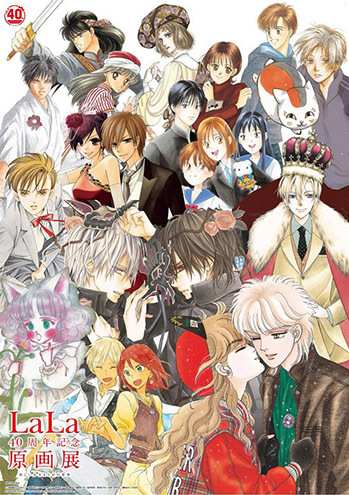
The demographic category of anime and manga aimed mainly at teenage girls. It tends to have female leads, romantic subplots and resolutions involving personal growth. This doesn't mean Shōjo is devoid of action, though. In addition to more traditional romance stories, Shōjo can include tales of heroines who kick righteous butt — while pursuing romantic subplots and personal growth.
Alternately, Shōjo stories can focus on implied or explicit homosexual relationships between men (see Boys' Love), or the romantic emphasis could also stem from relationships between women. Some feature all of the above.
Although series with explicit sexuality are more likely to be Josei (aimed at older women), some Shōjo may have considerable sexual content; a subgenre called Teens Love (by analogy to Boys Love) features erotic romance between heterosexual couples, with much the same narrative conventions (abusive boyfriends and angst; or, alternately, shiny romance, ecstatic lovemaking, and Happily Ever After). This stuff tends to snuggle up as close to the "Restricted" (18+) category as it can, and so isn't often licensed for translation.
Not all romance series are Shōjo. Shōnen romances take the boy's perspective (Magical Girlfriends and Harem Series are both common, though there are just as many mundane one-to-one stories), and focus on the boy pursuing the girl, or trying to resolve the Love Dodecahedron. If it doesn't have that, a Shōnen romance tends to end with a declaration of love and its acceptance. Female-led Shōnen romance also has this dynamic (occasionally gender-inverted), though some begin with the pair together before the start while we see snippets of their relationship. Shōjo romances, by contrast, frequently involve the heroine finding love early in the series, then stick around to watch the couple work through trouble in their relationship. Shōjo romances with male leads often tread somewhere in between: sometimes it takes the Shōnen route of the chase, others focus on how the boy treats his newfound lover.
Conversely, not all Shōjo series are romance either;note some may just focus on dealing with everyday issues, others with uncovering mysteries, others where the action gets graphic or cerebral, and still others that like to take the scenic route of life. And there's been times where Shōjo can get as bold-faced and crass as any Shōnen manga, as any reader of Patalliro! or Sabagebu! can tell you. The demographic is also no stranger to horror stories, with several iconic horror series such as Hell Girl, Vampire Princess Miyu, Tomie and numerous other Junji Ito stories published in shojo anthologies. Confusing matters for English-speaking audiences is the fact that Viz Media publishes many darker shōjo series under its Viz Select imprint rather than its Shōjo Beat imprint, giving the impression that they are Seinen series.
Aesthetically, Shōjo is typically drawn with lighter outlines than Shōnen manga, and with sparser backgrounds and little (if any) shading — but, contrariwise, it frequently uses screentone patterns to set the emotional tone of a scene, and frames are rarely solely rectangular and borders are often absent. Character designs with eyes that are even larger than those usually used in manga and anime (the infamous dinner plate size) are also usually a giveaway that the work in question is Shōjo — especially when the characters are not children. Though even that rule may not be ironclad: thanks to the Periphery Demographic of girls reading Shōnen manga, the bolder lines and smaller eyes common to works of that demographic can find their way back into Shōjo to draw a wider appeal. The bright colors and cute looks of Shōnen and Seinen Iyashikei and the lavish aesthetics of Bishōnen Jump Syndrome also muddy the waters on popular demographic styles, not to mention the crossover of people who do draw for either kind of mag bringing their style to work for the opposite demographic.
Shōjo is a demographic (usually identified by the time slot or magazine a story runs in) and shows so classified can fit into any "standard" genre, up to and including martial arts and Science Fiction. And even this is variable; popular female leads sometimes gain a male fan following, to the degree of the infamous older male fanbase. Anything Magical Girl is usually Shōjo by default, although there are exceptions specifically made for said older fanbase.
While a lot of this demographic's manga output does get adapted into anime of varying popularity, its real foothold is in a medium even its brother demographic had a hard time attracting viewers: Live-Action TV. As their romance and contemporary series tend to match up with common trends in TV serials, Shōjo and Josei manga adaptations tend to make up a sizeable portion of Japanese Doramas. In fact, it may find more popularity through its Dorama version than its life as a manga.
Should not be confused with Bishoujo, though some may feature as characters. Serves as both the Trope Namer and Trope Codifier for Stock Shoujo Heroine.
- B's LOG
- Cheese!
- Ciao
- Cookie
- Dessert
- Hana to Yume
- LaLa
- Margaret
- Nakayoshi
- Ribon
- Sho-Comi (originally Shoujo Comic)
- Shoujo Friend
Examples:
- 7th Time Loop
- 1001 Knights
- Absolute Boyfriend
- Acro Trip
- Adekan
- After School Nightmare
- Agents of the Four Seasons - The manga adaptation of the Dance of Spring novels runs in LaLa.
- Aikatsu!
- Aim for the Ace!
- Ai no Shintairiku
- Ai no Wakakusa Monogatari
- Ai Ore! Love Me!
- Ai Shite Night
- Aishiteruze Baby
- Akazukin Chacha
- Akkan Baby
- Akuma na Eros
- The Alchemist Who Survived Now Dreams of a Quiet City Life - The manga adaptation runs in B's-LOG Comic.
- Alice 19th
- Alisa of the Silver Hair
- Ame Nochi Hare
- Angel Crush
- Angel Sanctuary
- Animal Detectives Kiruminzoo
- Animal Yokocho
- Antique Bakery
- Ao Haru Ride
- Ao no Fuuin
- Apothecarius Argentum
- Arisa
- Ascendance of a Bookworm - The manga adaptation runs in the shoujo publication Comic Corona.
- Ashita no Nadja
- Ask Dr. Rin!
- Attack No. 1 - The first televised female sports anime.
- Attacker You! - Its Spiritual Successor
- Azuki-chan
- Baby and Me
- Ballad Of A Shinigami - Oddly, while the original light novels are aimed at a male audience, the manga adaptation ran in the shoujo magazine LaLa.
- Banana Fish - Though this series revolves around gang violence in New York City and incorporates mature themes that most people would associate with Seinen, it originally ran in the shōjo magazine Betsucomi (formerly known as Bessatsu Shōjo Comic).
- Basara
- Beast Master
- The Beautiful Skies of Houou High
- Beauty and the Beast of Paradise Lost
- Beauty Pop
- Bee and Puppycat - A western example clearly inspired by Shōjo anime, both aesthetically and thematically.
- Betrayal Knows My Name
- Bibliophile Princess
- Bishoujo Kamen Poitrine
- Black Bird (2006)
- Blue Ramun
- Boku no Hatsukoi wo Kimi ni Sasagu
- Boku wa Kisu de Uso wo Tsuku
- Boku wa Ookami
- Boys over Flowers - Though the original is one of the best-selling Shōjo manga, run in Margaret, the sequel manga runs in Shonen Jump+ for some odd reason.
- The Bride of Adarshan
- Café Kichijōji de
- Candy♡Candy
- Captive Hearts
- Cardcaptor Sakura
- Cat Street
- Cells at Work: Bacteria! - A spinoff of a Shōnen series that is published in a shojo anthology.
- Cells at Work and Friends! - A spinoff of a Shōnen series that is published in a shojo anthology.
- Ceres, Celestial Legend
- Cheeky Brat
- Cherry Juice
- The Cherry Project
- Chibi☆Devi!
- Chibi Maruko-chan
- Children of the Whales
- ChocoMimi
- Chotto Edo Made
- Chou Kuse ni Narisou
- Cipher
- Clamp School Detectives
- Classi9
- Claudine - By Riyoko Ikeda, dealing with the very sensitive topic of Transgender issues.
- Clear Qualia
- Clover
- Code Geass: Lelouch of the Rebellion (The manga. The anime is Seinen)
- Coji-Coji
- A Condition Called Love
- Confession Executive Committee - Series of videos turned anime/manga and novels by HoneyWorks, with heavy inspiration from works in the demographic
- Confidential Confessions
- La Corda d'Oro: The manga adaptation ran in LaLa.
- Corrector Yui
- Count Cain
- Cowboy Bebop (The two manga adaptations only, the anime is seinen.)
- Creamy Mami, the Magic Angel
- Crescent Moon
- Crown
- Cute High Earth Defense Club LOVE!
- CUTE×GUY
- Cyber Team in Akihabara: The manga adaptation ran in Nakayoshi.
- Dawn of the Arcana
- Daytime Shooting Star
- Dazzle: Started its run in the shonen magazine Monthly G Fantasy, but moved to the shoujo/josei magazine Monthly Comic Zero Sum in 2002 and has continued to be published there ever since.
- Dear Brother
- Deep Love - despite the dark theming of the story, the manga and most of its spin-offs (except Pao no Monogatari and REAL) were released in Bessatsu Friend, a shōjo magazine.
- Demon Love Spell
- The Demon Ororon
- The Demon Prince Of Momochi House
- Dengeki Daisy
- Den-noh Coil, which sometimes gets mistaken for Shōnen because of its emphasis on high-tech action scenes, but the manga adaptation ran in a shōjo magazine.
- Descendants of Darkness
- Desire Climax
- A Destructive God Sits Next To Me
- A Devil and Her Love Song
- The Devil Does Exist
- Di[e]ce
- D.N.Angel
- Doctor Elise
- Dokuhime
- Dolls (1995)
- Dragon Knights
- Dreamin' Sun
- Drug & Drop originally ran in Monthly Asuka under the name Legal Drug, but later moved to the seinen magazine Young Ace with its title changed.
- Earl and Fairy
- Eden no Hana
- Eerie Queerie!
- Evyione Ocean Fantasy
- Fairy Cube
- Fairy Navigator Runa
- Family Complex
- Faster Than a Kiss
- First Love Monster
- The Fox & Little Tanuki
- From Eroica with Love
- From Far Away
- From Five to Nine tends to be confused for josei since most of the characters are adults (and the live-action drama adaptation is aimed at adults, since it aired late at night), but the manga actually ran in the shoujo magazine Cheese!.
- Fruits Basket
- Full Moon
- Fushigi Yuugi
- Gatcha Gacha
- Gakuen Alice
- Gakuen Babysitters
- Gakuen Ouji
- Gals!
- Game×Rush
- Gensomaden Saiyuki - technically only the sequel, as the original is Shōnen
- The Gentlemen's Alliance
- Georgie!
- Ghost Hunt
- A Girl And Her Guard Dog
- Girl Got Game (Power!!)
- Girls x Heroine!
- Idol x Warrior Miracle Tunes!: The show received two manga adaptations during its run.
- Magic x Warrior Magi Majo Pures!
- Secret X Warrior Phantomirage
- Police X Warrior Lovepatrina
- Glass Mask (Glass no Kamen), one of the Long-Runners in shōjo manga, having been there since 1976.
- Golden Days
- Goldfish Warning!
- Good Morning Call
- Grand Guignol Orchestra
- Gravitation
- Guru Guru Pon-chan
- Haikara-san ga Tooru
- Hai Step Jun
- Hajimari no Niina
- Hakkenden: Eight Dogs of the East
- Hakuouki
- Hana-Kimi
- Hana no Asuka-gumi! — only the first manga counts. The other three sequels moved to Josei publications.
- Hana no Kishi
- Hana no Ko Lunlun
- Hanasakeru Seishounen
- Hana to Akuma
- Haou Airen
- Happy Cafe
- Happy Happy Clover
- The Heart of Thomas
- Hell Girl: While the dark and cynical nature of the story leads it to be confused with seinen, the manga adaptation was published in Nakayoshi, a shōjo magazine.
- Hello! Sandybell
- Here is Greenwood - Subverts the standards by having an all-male lead cast despite not being a Boys' Love series. In addition, the major romance between the main protagonist and a secondary female character is told from his point of view.
- The Heroic Legend of Arslan (manga adaptation by Chisato Nakamura)
- Hibi Chouchou
- High School Debut
- Hikari no Densetsu
- Hiiro no Kakera
- Hime-chan's Ribbon
- Himitsu No Akkochan
- His and Her Circumstances (aka Kare Kano or Kareshi Kanojo no Jijyo)
- Honey Honey - one of the first shōjo manga series that became successful, being written by a woman.
- Honey Hunt
- Honoo no Alpen Rose
- Hot Gimmick
- Houkago×Ponytail
- House of the Sun
- I Am Here!
- Idol Angel Yokoso Yoko
- Idol Densetsu Eriko
- Igano Kabamaru
- Ilegenes - Kokuyou no Kiseki
- Imadoki!
- I'm a Royal Tutor in My Sister's Dress
- I'm the Villainess, So I'm Taming the Final Boss
- Immortal Rain
- Instant Teen: Just Add Nuts
- In the Clear Moonlit Dusk
- I.O.N
- Isabelle of Paris
- IS: Otoko demo Onna demo Nai Sei
- Itazura Na Kiss
- Jewelpet
- Jinzou Shoujo
- Jiu Jiu
- Junjou Romantica
- Kageki Shoujo!! originally had a short run in the seinen magazine Jump X, but it was later restarted in the shoujo magazine Kiss.
- Kaguya Hime
- Kaiju Girl Caramelise
- Kaitou Saint Tail
- Kamichama Karin
- Kamikami Kaeshi
- Kamisama Kiss
- Kamisama Minarai: Himitsu no Cocotama
- Kami-sama no Ekohiiki
- Kamikaze Girls (manga adaptation ran in Betsucomi)
- Kanojo ni Naru Hi
- Kanon (Chiho Saito)
- Karakuri Odette
- Kare wa Tomodachi
- Karura Mau!
- Kaze Hikaru: Began serialization in Bessatsu Shoujo Comic, but later moved to the josei magazine Monthly Flower in 2002, where it continued until its conclusion.
- Kaze to Ki no Uta
- Kedamono Damono
- Kilala Princess
- Kimi ni Todoke
- Kin Kyori Rennai
- Kira Kira Happy Hirake Cocotama
- Kirarin☆Revolution
- Kiss Him, Not Me
- Kisshou Tennyo
- Kiss of the Rose Princess
- Kitchen Princess
- K: Memory of Red
- Kocchi Muite Miiko
- Kodocha
- Koizora
- Kore wa Koi no Hanashi
- Koucha Ouji
- Kurobara Alice
- Kyo Kara Maoh! (manga adaptation ran in Monthly Asuka)
- Kyō, Koi o Hajimemasu
- Lady!!
- Land of the Blindfolded
- La Seine No Hoshi
- Last Game
- Laughing Under the Clouds
- Life (2002)
- Limit (2009)
- Listen to me, girls. I am your father! is technically aimed at a male audience, but the Usagi no Mark and Miu-Sama no Iu Toori spinoffs are shoujo.
- Little Memole
- Little Witch Academia: The Midnight Crown
- Love Celeb, although it edges near to Josei.
- Love Is in the Bag
- Lovely★Complex
- Love of Kill
- Love Me, Love Me Not
- Love Monster
- Lovesickness
- Love So Life
- Loving Yamada at Lv999!
- Ludwig Revolution
- Machida-kun No Sekai
- Mademoiselle Butterfly
- Magic Knight Rayearth
- Magic User's Club
- Magical × Miracle
- Magical Emi, the Magic Star
- Magical Idol Pastel Yumi
- Magical Pokémon Journey
- Magical Princess Minky Momo
- Maid-Sama!
- Mamotte! Lollipop
- Manga Dogs
- Marginal
- Maria Watches Over Us (the original light novels are aimed at a female audience, and the manga adaptation ran in Margaret)
- Marmalade Boy
- Mars (1996)
- May I Ask for One Final Thing?
- Maya's Funeral Procession
- Me & My Brothers
- Mermaid Melody Pichi Pichi Pitch
- Merman In My Tub
- Meru Puri
- Midnight Occult Civil Servants
- Millennium Snow
- Mink
- Mint na Bokura
- Miracle Girls
- Miriam
- Mirumo de Pon!
- Mischievous Twins: The Tales of St. Clare's
- Missionsof Love
- Mistress Fortune
- Mizuiro Jidai
- Mizutama Honey Boy
- Monkey High!
- Monochrome Factor - First serialized in the shounen magazine Comic Blade Masamune, the manga moved to the shoujo magazine Comic Blade Avarus in 2007 after Masamune ceased publication.
- Moon Child (1989) (Tsuki no Ko)
- Moribito II: Guardian of the Darkness (The manga. The original novel is not marketed by gender.)
- The Most Heretical Last Boss Queen: From Villainess To Savior (the original light novels are aimed at a female audience, and the manga adaptation runs in Monthly Comic Zero Sum)
- Muka Muka Paradise
- My Heavenly Hockey Club
- My Little Monster
- My Happy Marriage
- My Little Sister Stole My Fiance
- My Love Story!! - Often mistaken for being a shōjo-themed shōnen a la Monthly Girls' Nozaki-kun due to its humor and Gonk male protagonist, but it was serialized in a shōjo magazine.
- My New Boss Is Goofy
- My Next Life as a Villainess: All Routes Lead to Doom!
- My Roommate is a Cat
- My Stepmother And Stepsisters Are Not Wicked
- Musashi #9
- Naisho No Tsubomi
- The Name of the Flower
- Nana
- Natsu e no Tobira
- Natsume's Book of Friends - Features a male protagonist, and Word of God says it will never have romance in it.
- Neighborhood Story
- Neo Angelique
- Neon Genesis Evangelion: Angelic Days
- Neon Genesis Evangelion: Campus Apocalypse
- Never Give Up
- NG Life
- Nightmare Inspector started in the shoujo magazine Monthly Stencile for the first two years of its run, but then moved to the shonen magazine Monthly G Fantasy where it continued until its conclusion.
- Niji no Kanata e! Shoujo Diana Monogatari
- Nina The Starry Bride
- Nine Puzzle
- No. 6 - The manga adaptation was serialized in Aria.
- Nobara no Julie
- Not Your Idol
- Nukoduke
- Nurse Angel Ririka SOS
- Ojamajo Doremi
- The Ones Within
- Ōoku: The Inner Chambers
- Orange - The manga was first released in a shōjo magazine, but it was switched to a seinen magazine after it went on hiatus due to the creator's health issues, where it continued for the rest of its run. Thus, it can technically be considered both shōjo and seinen.
- Ore-sama Teacher
- Othello
- Otomen
- Ouji to Majou to Himegimi to
- Ouke no Monshou - Along with Glass Mask, this manga is among the longest runners in here, since it has been around ever since 1976.
- Ouran High School Host Club is both an example and an Affectionate Parody of works in the demographic.
- Outburst Dreamer Boys - The light novels are aimed at a female audience, and the manga adaptation was serialized in Ribon Special.
- Paradise Kiss
- Patalliro!
- Peach Girl
- Penguin Revolution
- Petite Princess Yucie. Though it also has an alternate manga version aimed at the Shōnen Demographic.
- Phantom Dream
- Phantom Thief Jeanne
- Pixie Pop
- Plain Love
- Please Save My Earth
- Plus Sized Misadventures In Love
- Pochamani
- The Poe Clan
- Portrait Of M And N
- Powerpuff Girls Z: The manga adaptation was serialized in Ribon.
- Premier Muguet
- Prétear
- Pretty Boy Detective Club: The manga adaptation began serialization in Aria but then moved to Shonen Magazine Edge after the former ceased publication, making it both shoujo and shonen.
- Pretty Cure is primarily aimed at this demographic (though official marketing papers also include young men), and all of the series' manga adaptations have been serialized in the shoujo magazine Nakayoshi.
- Futari wa Pretty Cure
- Futari wa Pretty Cure Splash★Star
- Yes! Pretty Cure 5
- Fresh Pretty Cure!
- HeartCatch Pretty Cure!
- Suite Pretty Cure ♪
- Smile PreCure!
- Doki Doki! PreCure
- HappinessCharge Pretty Cure!
- Go! Princess Pretty Cure
- Maho Girls Pretty Cure!
- KiraKira★Pretty Cure à la Mode
- HuGtto! Pretty Cure
- Star★Twinkle Pretty Cure
- Healin' Good♡Pretty Cure
- Tropical-Rouge! Pretty Cure
- Delicious Party♡Pretty Cure
- Soaring Sky! PreCure
- Wonderful Pretty Cure!
- Pretty Series
- Pretty Rhythm Aurora Dream
- Pretty Rhythm: Dear My Future
- Pretty Rhythm: Rainbow Live and spinoff King of Prism (though the latter tries to aim for older girls as well)
- PriPara
- Idol Time Pripara
- IdolLand Pripara
- Kiratto Pri☆Chan
- Waccha PriMagi!
- Waccha PriMagi!
- Princess Ai
- Princess Army
- Princess Comet
- Princess Knight (AKA Ribon no Kishi), one of the earliest shōjo manga, but not the very first. Created by the "God of Manga" himself, Osamu Tezuka.
- Princess Princess
- Princess Sarah
- Princess Tutu
- Psychic Detective Yakumo
- Pure Trance
- Purple Eyes in the Dark
- QQ Sweeper
- Random Walk
- Raven of the Inner Palace
- Real Girl
- Red River (1995)
- Requiem of the Rose King
- Revolutionary Girl Utena
- RG Veda
- Romeo × Juliet: The manga adaptation ran in Monthly Asuka.
- The Rose of Versailles - Notable for being the first shoujo manga to achieve mainstream critical and commercial success, and had a prominent influence on other shoujo works going forward.
- Sabagebu!
- Sacrificial Princess & the King of Beasts
- Sailor Moon - The most iconic shōjo franchise, and the one that introduced Western audiences to the concept. Codified many shōjo-related tropes, especially the Magical Girl Warrior genre.
- Sailor Moon (original manga)
- Sailor Moon (first anime series)
- Sailor Moon Crystal
- Sailor Moon Eternal
- Sailor Moon Cosmos
- Codename: Sailor V - ran in the same magazine as the Moon manga, and was its prototype before being retooled into a Prequel when it began serialization
- St. ♡ Dragon Girl
- The Saint's Magic Power Is Omnipotent (both the novels and the manga adaptation are aimed at a female audience)
- Sakura Hime: The Legend of Princess Sakura
- Sakura No Sono
- Sally the Witch
- Sand Chronicles
- Sanrio Boys (manga adaptations)
- Satisfaction Guaranteed
- The Savior's Book Café Story in Another World
- Say "I Love You"
- The Secret Notes of Lady Kanoko
- Secrets of the Silent Witch (the manga adaptation runs in B's-Log Comic)
- Seiho Boys High School
- Seimaden
- Seishun Kouryakuhon
- Sensei no Susume
- Sensual Phrase
- Shinobi Life
- Shinshunki Miman Okotowari
- Shiro Ari
- Shiro no Eden
- Shiroi Heya no Futari
- Shōnen Onmyōji (the light novels are aimed at a female audience, and the manga adaptation ran in Monthly Asuka)
- Short-Tempered Melancholic
- Shounen Dolls
- Shounen Maid
- Shugo Chara!
- A Sign of Affection
- Silver Diamond
- Simoun
- Skip Beat!
- Snow White with the Red Hair
- Sora Log
- The Sorcerer's Receptionist (the light novels are aimed at a female audience, and the manga adaptation runs in B's-Log Comic)
- Soul Rescue
- Special A
- Spirited Away
- The Star of Cottonland
- Stardust Wink
- Stepping on Roses
- The Story of Cinderella
- The Story of Pollyanna, Girl of Love
- The Story of Saiunkoku (the light novels are aimed at a female audience, and the manga adaptation ran in Monthly Asuka)
- Strobe Edge
- Sugar Apple Fairy Tale (the light novels are aimed at a female audience, and the first manga adaptation ran in Hana to Yume Online. However, the second manga adaptation runs in the seinen magazine Young Ace.)
- Sugar Sugar Rune
- Sukeban Deka
- Super Pig
- Swan
- Sweet Black
- The Sword of Paros
- Tail of the Moon
- Takane & Hana
- Tantei Team KZ Jiken Note - The source material, being Children's Literature, is not marketed by gender. However, its manga adaptation is published in Nakayoshi.
- Tearmoon Empire
- Tenshi Nanka Ja Nai
- Ten Yori Mo, Hoshi Yori Mo
- That Wolf Boy Is Mine
- They Were Eleven
- Time Stranger Kyoko
- Tokimeki Tonight
- Tokyo Babylon
- Tokyo Crazy Paradise
- Tokyo Mew Mew
- Tokyo Mew Mew New
- Tomie
- Towa Kamo Shirenai
- Trapped in a Cursed Game as an NPC
- Trinity Blood - (The manga ran in Monthly Asuka. The original light novels are aimed more at a male audience.)
- Tweeny Witches - (The manga. The original anime is not marketed by gender.)
- UFO Baby
- Ultra Maniac
- Umi Monogatari
- Until the Full Moon
- Unico: (Originally. Osamu Tezuka wanted the series to be aimed at both genders and all ages.)
- Usotsuki Lily
- Vampire Dormitory
- Vampire Knight
- Vampire Princess Miyu
- Vassalord
- Venus Capriccio
- Villains Are Destined to Die
- Virgin Ripper
- Voice Over! Seiyu Academy
- W Juliet
- The Wallflower
- We Were There
- The Weakest Tamer - The manga adaptation runs in Comic Corona.
- Wedding Peach
- Weiß Kreuz Side B - The sequel manga by Shoko Oomine ran in a shoujo magazine.
- Whisper of the Heart
- Why Raeliana Ended Up at the Duke's Mansion
- Wild Ones
- Wish
- Wolf Girl and Black Prince
- Yamada Taro Monogatari
- Yona of the Dawn
- Your and My Secret
- The World is Still Beautiful
- X1999 - although it also has a gigantic seinen Periphery Demographic, due to the action and insanely dark story.
- Yo-Kai Watch: Wakuwaku Nyanderful Days
- Yumeiro Pâtissière
- Yurara
- Zekkyou Gakkyuu
- Zettai Heiwa Daisakusen
- Zetsuai (1989) - The sequel Bronze starts as shōjo, but later shifts to josei.
- Zodiac P.I.
Series sometimes mistaken for shōjo:
- Accomplishments of the Duke's Daughter is a novel about a woman being reincarnated as the vilainess of an otome game and looks and plays out exactly like a shoujo series, but both the light novel and manga were published by seinen imprints. You would never be able to tell if you weren't told this.
- Ah! My Goddess: Despite its focus on romance, it was published in the seinen magazine Afternoon
- Amakusa 1637, Private Actress and other newer works by Michiyo Akaishi. They're josei (and published in the very josei magazine "Flowers"), though to be fair Akaishi's most popular works (like Honoo no Alpen Rose) are shōjo.
- The Ancient Magus' Bride is often mistaken as shoujo due to having a female protagonist, Chise, and how much the plot focuses on the growing relationship between her and Elias (the titular magus). While the plot isn't exactly unheard of in that demographic, the manga actually runs in a shōnen magazine.
- Angelic Layer was written by CLAMP during a time when they almost exclusively wrote shojo manga, and due to the character designs and tropes having more in common with their shojo titles it's easy to forget that it was published in a shonen magazine.
- ARIA is hard to pin down; it contains some definite shōjo elements, but also some of seinen and josei, considering the more thoughtful subjects it sometimes touches upon. Still, it first got published in a Shōnen magazine, so the general consensus is to label it as such. That said, the series did start out as a shojo manga called ''Aqua'' before changing titles and moving to a shonen publication.
- Azumanga Daioh: Like Lucky Star, it's a Shōnen series despite focusing on the lives of a group of high school girls.
- Best Student Council: Even though it has a very feminine aesthetic and its protagonist is a straight example of a Stock Shoujo Heroine, it's yet another shonen series about the lives of high school girls, in an Absurdly Powerful Student Council no less.
- Bitter Virgin: While it has many shōjo traits and is very flowery at times, this work was published as a Seinen manga in a Seinen magazine.
- Black Butler: Cast Full of Pretty Boys and tons of Ho Yay. It's a Shōnen series.
- Chihayafuru is often mistaken for shoujo since many of the characters are in high school, but it's actually josei.
- CLANNAD: Despite its gentle, romantic atmosphere, most people don't know that the anime is actually based on a Dating Sim Visual Novel aimed at a Seinen demographic. Its manga adaptations also ran in both shonen and seinen publications.
- Emma: A Victorian Romance is sometimes mistaken for shoujo or josei, due to the premise focusing on a forbidden romance between the titular maid Emma and the wealthy nobleman William Jones. However, the manga actually ran in a seinen magazine.
- Eureka Seven It jumps into several genres with such frequency that pinning it down is nearly impossible, but it ran in Shōnen Ace and is therefore officially Shōnen.
- Free! is a sports (swimming) anime featuring a Cast Full of Pretty Boys with intense friendships that got its start as a light novel. It doesn't help that the anime's original director, Hiroko Utsumi, would later go to work on an actual shoujo series in Banana Fish.
- Haruhi Suzumiya: The titular character may be female and there may be a lot of Ship Tease between her and the secondary male protagonist, but the light novels are actually written for a male audience, and all of its manga adaptations and spinoffs have run in shonen magazines. Considering how often the female characters (especially Mikuru) wear Fanservicey outfits, it's hardly a surprise.
- Haven't You Heard? I'm Sakamoto: Despite being about the daily life of a Mr. Fanservice character, the manga is actually seinen.
- Hetalia: Axis Powers has a Cast Full of Pretty Boys, a bright cutesy art style, Homoerotic Subtext, plenty of fanservice from the male characters, and a fandom that's overwhelmingly female and teenaged. It would be a textbook example of a moe franchise for girls/women instead of men, if not for seinen magazine Comic Birz advertising and serializing it, and then switching to the shōnen site Shonen Jump+.
- Honey and Clover: Like Nodame Cantabile below, it's actually josei, and they lump it in with shōjo.
- Horimiya: Despite running in a shōnen magazine in its print run, it focuses heavily on the romantic relationships between the cast members, and the art style does have some of the usual conventions of this demographic.
- The works of Jun Mochizuki are often subjected to this treatment due to their art style:
- The Case Study of Vanitas was published in GanGan Joker, which is neutral.
- PandoraHearts
- Inuyasha: Despite its Cast Full of Pretty Boys, schoolgirl protagonist (and the focus on her growing romantic relationship with the male lead), and being written by a woman, it's actually shōnen and has plenty of violent action to balance out the romance.
- Inu × Boku SS due to the art style, heaping helpings of pretty boys, and many, many shojo tropes, one would be forgiven for thinking this was a shojo, though it was actually published in a shōnen publication. Most of Cocoa Fujiwara's works, including dear, are like this.
- Karin's titular protagonist is female and the plot focuses on her growing relationship with a boy that's told from her perspective, but the manga actually ran in the shonen magazine Monthly Dragon Age.
- Kashimashi: Girl Meets Girl: Despite being a romance where all three protagonists are female, the manga ran in Dengeki Daioh, which shows in some of the series obviously male-oriented fanservice and sexual humor. Adding to the confusion, it's a rare serialized manga focused on (functionally) same-sex romance outside of dedicate yuri or yaoi magazines.
- Kono Oto Tomare! Sounds of Life gets this a lot for having a watercolour art style reminiscent of stereotypical shoujo and its character drama focused plot, but the manga runs in Jump Square. Sakura Amyuu had done a lot of oneshots for shojo magazines before working on Kono Oto Tomare!!, which added to the confusion.
- Land of the Lustrous: With its androgynous characters having fashion illustration-like proportions, relatively light lines, and emotional rollercoaster interspersed with weaponized traditionally feminine aspects like gems or jewlery, some think it's an action fantasy Shoujo manga. It's actually a Seinen.
- Lucky Star: Even though most of the characters are high school girls and they sometimes talk about "girly" subjects, the manga is shonen and main character Konata acts a lot like a typical male otaku, while the anime first aired late at night.
- Lyrical Nanoha: Despite being a Magical Girl franchise, it's primarily aimed at men and all of its manga adaptations and spinoffs have run in seinen magazines.
- Maison Ikkoku: Rumiko Takahashi is known for her cross-genre appeal to both shōjo and shōnen fans, but despite this series' focus on romance, it ran in a seinen magazine.
- Many Manga Time Kirara series, thanks to the all-ages appeal of their stories and moe aesthetic. The Kirara family is collectively seinen.
- Monthly Girls' Nozaki-kun is an Affectionate Parody of shōjo manga and how it's made, with the titular character being a shōjo mangaka and the protagonist being a girl who has a crush on him, but it was first published in GanGan Online, which is a shōnen online magazine. However, the series' creator Izumi Tsubaki has written shōjo manga in the past (Ore-sama Teacher being the best-known), and it has enough of a Multiple Demographic Appeal to be reprinted in shōjo anthologies.
- Massugu ni Ikou is sometimes mistaken for shojo due to the human characters being in high school, and the talking dogs naturally appealing to younger audiences. It was actually published in a Josei publication.
- Mousou Telepathy is often mistaken for one due to the premise, its Slice of Life romcom status, and its female lead. The comic is featured in and published by Sai Zen Sen comics, which also holds shoōnen titles and is a bit of a mixed bag.
- Nodame Cantabile: Close, but it's actually josei. Most Westerners haven't heard of josei, so they lump it in with shōjo so they don't get confused.
- Pita-Ten: Despite the focus on romance and its incredibly cutesy art style (thanks to being created by Koge-Donbo), the manga ran in a shonen magazine.
- The Prince of Tennis is sometimes mistaken for shoujo due to its Cast Full of Pretty Boys and huge female fanbase, but the manga actually ran in Shonen Jump. That said, executives eventually caught onto how popular the series was with girls and started marketing it towards a female audience as well; there are regular ads for it in shoujo magazines and there's even official Otome Games based on the franchise.
- Puella Magi Madoka Magica: Despite being a Magical Girl show with adorable character designs, it was created as quite a bleak seinen and the cute character designs are meant to make the awful things that happen to the characters even more shocking.
- Romantic Killer is essentially a reverse harem and the series calls attention to tropes common to shoujo works, but the manga actually ran in Shonen Jump +. It doesn't help that Viz Media released the manga in English under their Shoujo Beat label despite this.
- The Royal Tutor has a very shojo art style, a cast consisting almost entirely of Bishōnen princes, and mostly revolves around cute boys doing cute things. The manga was serialized in Monthly G Fantasy a shōnen publication. That said, G Fantasy, which also published Black Butler above, has a very high female readership and thrives on Bishōnen Jump Syndrome.
- Sakura Wars: It's based on a Dating Sim. What do you think?
- Servamp: Zig-Zagged; It's commonly called shōjo due to its Cast Full of Pretty Boys, but it actually runs in a Josei magazine. The mistake can be forgiven as the intended audience for the magazine (Comic Gene) is female.
- Shakugan no Shana has an Action Girl as the title character and her relationship with male lead Yuji is the driving force of the series. However, the story is largely told from Yuji's perspective, and the original light novels are aimed at a male audience while the manga adaptation ran in Dengeki Daioh, a shonen magazine.
- She's My Knight: There's no indication on Kodansha's website whether it's shōjo or not, and it was published online, not in a magazine. The art style evokes shōjo, and several characters lampshade how the main couple, Bifauxnen Mogami and Tsundere boy Ichinose, embody shōjo tropes.
- Skip and Loafer is often mistaken for shoujo due to the main duo being a plucky female protagonist and a popular boy, the grounded high school setting, and many of the characters being the types you'd normally find in other shoujo series. The manga actually runs in a seinen magazine, and the series' creator has even described it as "a story that pulls from shoujo manga but only pretends to be one".
- Due to the strong female protagonist, pretty boys, and occasional romance and Ship Teasing, Slayers is sometimes mistaken for shojo, to the point where the series was marketed primarily to girls in some countries. It's actually shonen, and the usage of common shonen tropes and ocassional crass humor and Male Gaze make it clearer.
- The Story Between a Dumb Prefect and a High School Girl with an Inappropriate Skirt Length: Despite being a Romantic Comedy mainly told from the girl's perspective, it's published in Shonen Sirius magazine.
- Strawberry Marshmallow focuses on four 12-year-old girls and their day-to-day lives, but it's meant to be a very moe shonen series rather than shoujo (Amazon.com
 even goes so far as to say that it's obviously targeted at adolescent girls and that boys and older viewers will find it cloying). Nobue's Cuteness Proximity towards the younger girls can also be a bit suspect at times.
- Strawberry Panic!: Despite having "strawberry" in the title which is typical of shōjo, both the original light novels and the manga adaptation were serialized in Dengeki G's Magazine, which is a seinen publication.
- Teasing Master Takagi-san: The story focuses on an adorable Puppy Love "rivalry" and has an art direction reminiscent of many romcom shoujo series. It's a shōnen series published in Monthly Shonen Sunday Mini, but its main characters and atmosphere give this one a strong Periphery Demographic.
- Tomatoy no Lycopene: Sanrio-esque art style and levity aside, it ran in Shōnen Jump and later switched to Shōnen Jump+. The magazine predicted the confusion so early that the cover of the issue it debuted in had "Yes, this is still Jump." printed in large text.
- Toradora!: Heavy focus on romance, the dramatic second half, and the dynamic between spunky Taiga and reluctant Ryuji are the main factors. In North America, it's common to see the anime listed on "Gateway Series" lists for shoujo; however, the original light novels were published under the shōnen label Dengeki Bunko, and its manga adaptation was serialized in the shonen magazine Dengeki Daioh.
- Tsubasa -RESERVoir CHRoNiCLE- is a crossover of CLAMP's previous works, many of which are shoujo, and there's a lot of focus on Syaoran and Sakura's relationship. However, the manga itself is shonen, running in Weekly Shonen Magazine and having just as much action as romance.
- The Vision of Escaflowne: actually a mix of both shōjo and Shōnen genres, it features a shōjo heroine and a shōnen hero. This leads to there being two manga versions, one shōjo and one shōnen!
- Yokohama Kaidashi Kikou: Similarly to ARIA, it has elements of shōjo and the main character is female, but it's officially seinen.
- Your Lie in April: At first glance, the manga and anime's art style definitely looks shōjoish but it's actually written and drawn by a male mangaka and was serialized in Kodansha's Monthly Shounen Magazine.
