

Was meant to ward off blows,
It's very hot,
And weighs a lot,
As many a guardsman knows,
So off that helmet goes!"
In any work where a hero wears armor, whether powered or otherwise, the helmet is rarely worn, even in combat. In Real Life the helmet is the most important piece of personal armor ever invented besides the shield, since the skull and brain are highly vulnerable to all kinds of weapon blows and projectiles. The head is also one of the easiest parts of the body to armor, given its simple shape and lack of any kind of joints. In an ancient shield formation, your large shield would usually protect your torso but leave your head sticking over the top, thus inviting the slings, arrows, swords, and spears of the enemy. In modern ranged combat you have to expose your head every time you peek out of your trench or foxhole, and all kinds of debris and shrapnel from explosions might fall on your head. Clearly, helmets are a good idea. So why does a character who has access to a helmet rarely use it?
In visual media this is usually the creators bowing to Rule of Perception and Shoot the Money. Even an open-faced helmet will at least obscure a character's hair. Hairstyles can be important for identifying a character in a crowd, especially in animated works with Only Six Faces. A fully enclosed or visored helmet can be an even bigger problem because people are good at recognizing faces, and associate faces with having individuality and personhood. A person without a face is dehumanized and treated as expendable by way of the Faceless Goons trope, which is no good for a character whom you want the audience to care about. In film and television, both the director and the actor will want the audience to see their facial expressions as the heart of their performance. It defeats the purpose of hiring a famous and probably good-looking actor or actress if you're going to make them harder to recognize. Also, according to The Law of Diminishing Defensive Effort, less armour implies a character is skilled enough not to need it.
Alternately, the armor the main character wears might not be distinctive enough to make him stand out from other people wearing armor; we wouldn't want to lose track of our hero among the Faceless Goons, after all. Writers and artists often try to alleviate this by giving main characters almost, but not quite the same uniform as the Faceless Goons — or cheat by giving the hero a helmet, but one that shows their face clearly, while everyone else wears a full face helmet. When this is used to distinguish someone from an identical group of mooks, it's also Uniformity Exception. Real life battlefield recognition solutions adopted by armored warriors such as knights and samurai included elaborate helmet crests; heraldic colors on shields, surcoats, or horse trappings; armors decorated with etching, inlay, appliqué ornaments, heat/chemical bluing, paint, lacquer, or textile covering; and all kinds of Bling of War. Often, fiction will not take full advantage of these options. Also, curiously enough, this trope is especially common for superheroes even though almost all of them do have a completely unique costume that would be instantly recognizable even if the wearer's face weren’t visible.
And in video games where you can customize your character's appearance, wearing a helmet will often obscure it and waste all the effort you put into it.
A variation is that when modern characters are depicted in boxing or martial arts training, they will rarely be shown wearing padded headgear that would generally be mandatory. It's also common for the Badass Biker to forego a helmet.
This may be justified in certain situations. Helmets can be somewhat heavy and restrictive, so a person who relies on keen vision, hearing, or freedom of movement might prioritize those things over the protection a helmet provides. Helmets are also bulky and awkward to carry when not being worn, so a Walking the Earth-type hero is also likely to forego them for the long haul. A character who starts out with a helmet might discard it after it becomes too damaged to use, but this might invite the question of why they don't look for a replacement. In any case, there's still little excuse not to use one in open battle, especially when characters go through the trouble of armoring every part of their body except for the head.
On a related note, in virtually every superhero movie in which the main character wears a mask, it will be pulled off during the climax of the movie. Usually it's torn off or so badly damaged that there's no point in keeping it on; sometimes the hero just decides to take it off.
Contrast Cool Helmet (where the helmet enhances the hero's image) and Fantasy Helmet Enforcement (where the hero is setting a safety-conscious good example). Also contrast Never Bareheaded (in which the heroic character is never shown without a helmet on his head) and Signature Headgear (when the hero's distinctive helmet makes them stand out).
Example subpages:
Other examples:
- In Episode 12 of Anti Magic Academy The 35th Test Platoon, for the final battle Takeru loses the face-concealing helmet he normally wears in his Witch Hunter form.
- The borderline Villain Protagonist Magsarion from Avesta of Black and White is a full blown Tin Tyrant, fully covered head to toe in a powerful magical armor. Contrast that with the more morally upstanding Samluch who eventually has to be put into an identical armor in order to save her life where she simply forgoes the helmet and settles for a simple mouth-guard instead.
- Berserk:
- For someone who wears 24-Hour Armor, Guts doesn't seem to like helmets. It's possible he either feels it wouldn't help or has trouble seeing out of them with only one eye. Ironically, one of the few times we ever see him wearing a helmet, it ends up saving his life, albeit shattering in the process. Whenever Guts does wear his helmet it usually gets struck off in the midst of battle (albeit saving his life in the process), while during the Hundred Man Fight he boldly throws it away himself midway through as if to show that he's about to get serious. How else would we see his beautiful battle smile? Perhaps terrifyingly averted when Guts obtains the Berserker Armor, which includes a Hellhound-shaped Helmet that only appears when Guts is in an uncontrollable fury... Basically, see Guts' face; you may be OK. See the Helmet; kiss your ass goodbye. However, when he learns to keep it under control with Schierke's help he keeps the helmet on but his face is shown in some scenes by only drawing the outline of the helmet.
- Furthermore, everyone who was part of the Band of the Hawk stopped wearing helmets altogether after they won the Hundred Year War for Midland, Guts left, Griffith had a breakdown and got arrested, and the rest of the Hawks became fugitives although they all continued to wear the rest of their armor.
- Bleach: Discussed at the end of the Soul Society arc. In the middle of the arc, the helmet Captain Komamura always wore is broken in battle by Captain Zaraki. He'd been trying to hide the shame of being an anthropomorphic wolf instead of human. However, once everyone learns the truth, they accept him on the grounds that wearing helmets make a person come across as untrustworthy whereas showing his face makes him seem honest and therefore reliable — good guys don't wear helmets, only people who are up to no good hide their faces.
- In Delicious in Dungeon, Laios, Kabru, and Shuro (two knights and a samurai, respectively) all wear full armor below the neck but lack helmets.
- Zigzagged in Desert Punk: pretty much everyone wears desert suits with Cool Helmets whenever their traveling or are in combat, main characters included. However, Kanta semi-frequently loses use of his entire suit, generally before doing something incredibly badass (like disabling a tank by himself, with a shotgun). Junko, out of shear vanity, wears her suit's helmet only when absolutely necessary.
- Erza of Fairy Tail has many, many suits of Instant Armor. Though most have some sort of headwear, only one has an actual helmet (fittingly, it's also the one that is purely defensive in nature), and even that one doesn't actually cover her face. It's justified, because she's wearing magic armor. Some suits protect her from magic attacks while others boost her physical abilities and yet others give her different magical abilities to work with. So, the helmet is decorative. As are legplates, armbands, a chestpiece with cleavage sometimes...
- Even though it's part of his body, Greed of Fullmetal Alchemist hardly ever uses his Ultimate Shield on his head. This is explicitly because he doesn't like the way it makes his face look.
- Justified in a flashback in the second season of Ghost in the Shell: Stand Alone Complex where Saito shows how he first met The Major, where initially her, Batou and Ishikawa are all wearing the white UN Peacekeeper helmets until he starts sniping them, at which point they remove them. It's justified because the stark white of the helmets is actually endangering them by making them easier to see, the former two are full-body cyborgs, and they find out firsthand that the helmets might as well be tissue paper when faced with a high-velocity round when Saito takes out several of their helmeted comrades.
- A variation in Girls und Panzer; the named tank commanders tend to peek over the cupola, thus making their tanks more noticeable compared to their mooks, while the less important tank commanders don't. Despite the amount of shells and machine gun rounds flying around during the match, the named commanders always capable of dodging them and never got shot as a show of their badassery.
- Goblin Slayer, from the series of the same name, subverts this trope to the point of parody. He wears his helmet (and the rest of his armor) almost all of the time, only taking it off for maintenance or when he sleeps in the safety of home. It reflects his Properly Paranoid attitude towards being attacked by goblins. He's somehow capable of even eating and drinking through the slits of his helmet. Ironically, even though his face is never shown to the audience, he nevertheless has a distinctive appearance because of his helmet and armor.
- Other characters in the series tend to play this trope straight. One episode shows clearly why not equipping a helmet is a very bad idea: the party of novice adventurers get ambushed by goblins and immediately lose their leader to a well-placed stone slinged at the back of her head. From there, the goblins just proceed to pick them off one by one. When they try the same trick on Goblin Slayer, it fails spectacularly every time, only infuriating him and giving the goblins an Oh, Crap! moment.
- It also subverted and justified concerning the Chosen Heroine. Due to her meeting with Goblin Slayer as a child, she actually does acknowledge the merits of using helmets for adventurers. The reason she doesn't wear one herself is because the enemies she's often up against are powerful enough to kill her in one hit even with armor, so she chooses to forgo a helmet for a better range of view.
- Ryuuko from Ground Control to Psychoelectric Girl is considered unusual for wearing a helmet while riding her bicycle.
- Exploited in Heavy Object. Cameras in Object cockpits record the Elites during combat for propaganda videos and since a helmet would make them look less heroic they don't have any. Since the majority of military development is spent on Objects and their Elites this means that air force pilots have the same system and so no helmets or oxygen masks.
- Some of the Barrier Jackets in Lyrical Nanoha have actual armor on them, but even those never have helmets unless they're being used by mooks. Justified by the fact that Barrier Jackets protect the entire body regardless of what's covered, a helmet would just block their peripheral vision.
- Macross:
- Nekki Basara of Macross 7 never even bothers to wear any pilot suit at all, he just sorties with whatever clothes he's wearing at the time which is usually his live show outfit. Speaking of which, in one episode it does seem to be able to turn into a functional space suit with helmet and everything for extra-vehicular situations, but after it served its plot purpose of allowing Basara to float in space outside his VF while stuff happened, the helmet along with the space suit mode were never seen again.
- And the protagonist of Macross Delta, Hayate Immelmann, outright refuses to use a helmet, since he feels constrained by both its physical presence and the flight-support AI it enables. His VF-31 had to be customized to take that into account.
- Justified in Magical Destroyers: Otaku Hero is the Big Good and wears a helmet because SHOBON modeled the world in a video game-like state and in his script Otaku Hero is the main villain.
- Rebuild World: Justified. When Akira asks about getting a helmet for his Powered Armor, he gets told how it's uncommon to wear helmets, of which a full head covering ones with sensors is the standard. It's avoided out of superstition that it will weaken your senses and intuition, with such helmets being proven to disable the special ability of a certain type of Psychic Radar having Differently Powered Individual. The gang Akira supports eventually gets a sponsorship deal with a company that makes armor like this, resulting in them wearing such helmets as part of their tests and trial runs of equipment.
- Saint Seiya:
- It usually doesn't last long before the main heroes start losing their helmets early in the battle for the rest of the arc.
- Of all the Gold Saints, only two always wear their helmets: Aldebaran, who has a reputation as a jobber, and the local Psycho for Hire Deathmask.
- Batwoman (Rebirth):
- A flashback of Kate sparring with her girlfriend Sophie shows that not only are the two fighting without boxing or MMA gloves, they also lack headgear and mouthguards.
- Colony!Kate's uniform seems to lack a helmet.
- Superman:
- One reason why Superman, Supergirl... and other relatives wear no mask is to increase trust of people, showing they have nothing to hide. Of course, their invulnerability means they don't need protection.
- "The Unknown Legionnaire": Subverted. Supergirl hardly wears a helmet, but she builds and wears a lead helmet when she loses her memories due to her instinctive need to protect her secret identity.
- Played straight throughout the entirety of the World War I serial "Golden Eyes" and Her Hero "Bill". Golden Eyes, an ambulance driver, is never shown with a helmet.note Bill, an actual soldier, is only ever depicted in his helmet once throughout the series' run, and that's when he storms the German trenches to rescue Golden Eyes. Other members of the allied force are intermittently
 depicted in their helmets, while the villainous German officer who captures Golden Eyes is introduced wearing a prominent picklehaube, and wears a hat for the majority of his other appearances.
- Sleepless:
- Issues 3 begins with a flashback to Sir Cyrenic and King Verato fighting in the Aenitian War — Cyrenic starts out with a helmet but loses it after one page. King Verato also fights without a helm, while their Aenitian enemies wear face-concealing helmets with chainmail aventails.
- The tournament in Issue 4 sees Cyrenic go without his helmet during the jousting and hand-to-hand combat events. (Ibette and Lord Helder also go without, despite their opponents wearing protective chainmail aventails.)
- Star-Lord's trademark helmet is technically just a glorified mask, since it still leaves his hair open for some reason.
- Star Wars Legends: A weird example in the Star Wars Empire arc covering the Imperial backstory of Biggs Darklighter that somehow averts and plays the trope straight at the same time. Instead of the faceless TIE helmets seen in the movie, Biggs, Hobbie, and other main characters in the arc wear a helmet where we can see their faces while piloting their fighters. These helmets are never seen again in this continuity.
- Defied in Sturmtruppen: while the characters aren't exactly heroes they're still soldiers, and quick to note that not wearing a helmet during a shelling is just plain stupid (though not as much as not taking covernote ). Notably, during the famous story arc where the troopers had discovered the regulations didn't state they had to wear the uniform the only item of clothing they consistently wore was the helmet, both in the barracks and when attacking the enemy.
- Wonder Woman Vol 1: The Amazons have helmets, but even when Diana, Mala or other named Amazons are donning more armor and protective gear they never grab a helmet. The exception to this is Nubia, who is a named recurring Amazon who usually wears a helmet.
- X-Men:
- Throughout the Genoshan Excalibur, Magneto wears a less-armored black version of his usual outfit. It's helmetless. He also had a helmetless outfit during much of the time when he was leading the X-Men while Xavier was in Shi'ar space. (These days, though, Mags' outfit doesn't change no matter how nice he's playing.) It should be noted that the primary use of Magneto's helmet is to protect his mind from telepathic intrusion from the likes of Charles Xavier and Jean Grey. He has far less need of it when they are his allies.
- Discussed in All-New Wolverine, when Laura utilises a stolen suit of Iron Man armour:
Warren: "You know the suit had a helmet, right?"
Laura: "Yeah. And I couldn't see, hear or smell in it. Also, I want Kimura to be able to see my face when I finish her."
- Totally averted in A Ballad of the Dragon and She-Wolf, almost every named character wears a helmet into battle. This is a far cry from the source material, which played the trope painfully straight.
- Subverted in Juxtapose. Izuku wanted a hood or a cowl to go with his costume. But Mei ends up designing him a helmet to protect him from the high-velocity impacts his Quirk puts him through. At the very least, it retains the All Might-esque v-shaped motif and can neatly fold up into a pair of headphones and a mic for when he wants to speak with others face-to-face.
- Let the Galaxy Burn:
- A number of Southern nobles and knights refuse to wear helmets in ground combat on this basis. It gets them killed, with Janos Slynt's POV sections making this especially blatant.
- Loras Tyrell struts into Storm's End in impeccably shiny (and downright gaudy) Terminator armor, with no helmet. In fact he didn't even bring it. Stannis notes that as such, the protection the armor provides is minimal.
- Lampshaded in Part B of Chapter 1 of the Ten Warlords arc; Gerion's men manage to take a White Cloak down in one shot because he wasn't wearing his helmet. Shiera's immediate reaction is "He should have worn his helmet"
- Taken to its maximum during the Epilogue of the Ten Warlords arc: Aegon takes off his helmet in the middle of the battle — and an enemy promptly shoots him in the neck, gravely injuring him.
- Discussed in The Rising of the Shield Hero fanfic The Hero Melromarc Needs and Deserves, where one of Deathmask's recommendations to the other Heroes is that "wearing no helmet when you can do so isn't heroic, it's stupid". At least Ren listened, as when he's seen again he's indeed wearing a helmet.
- Tanya of Kazuma V Tanya makes a point to get a wooden helmet, as the local magic affects metal and she knows she was taught to go for the head. The more heroic Kazuma doesn't wear a helmet, but neither do the other Mistborn who are more evil than Tanya.
- In Clight: Baldur's Gate, which is one of the numerous retellings of the original story from Baldur's Gate with a custom main character, Clight starts out with a helmet he bought from Candlekeep. He dutifully wears it for combat, even though it's awkwardly heavy, restricts his vision, and looks stupid on him. (It's exactly the kind of horned helmet available at the beginning of the game.) After it gets dangerously in his way a couple of times, he finally discards it and never wears one again, relying instead on his speed and reflexes (and the author being nice about not letting him get hit on the head). It's mentioned he envies Khalid's much lighter helmet, which is seen on his character portrait in the game.
- The Mountain and the Wolf:
- The one time the Wolf wears any kind of head protection, it's not a helmet but kind of spiked coronet. While it's not explicitly stated, one item of wargear is a Crown Of Thorns that regenerates wounds. Possibly justified given his fighting style, which involves taunting the enemy into attacking in blind rage, and the fact that he's usually a good foot or two taller than them.
- The Mountain starts off his duel wearing a helmet, but loses it in the duel. He doesn't notice that it rips a big wound in the side of his face as it does as he's pumped full of the local equivalent of morphine.
- During his duel with Ramsay, Ramsay manages to sneak-shot an arrow into the Wolf's chin. As this only pisses him off, it shows why he never seems to bother with one.
- Subverted with Akkarulf, who always wears a face-concealing helmet at the Wolf's command both so no one recognizes him and so that he can impersonate Euron Greyjoy. Tyrion catches on to the fact that anybody could have worn a helmet last seen on Euron, and starts snooping into it. This gets him thinking maybe the Wolf isn't the Dumb Muscle he seems to be.
- While most of the cast of How to Train Your Dragon wear horned helmets, they never cover any of the face or anything below the ears, meaning they're effectively more like hats.
- All of the racers in Wreck-It Ralph wear helmets, except for Vanellope. (Who wears goggles — part of the time.)
- Played with in 300, in that most if not all of the Spartans go to battle at Thermopylae with their helmets on (and not much else, even though they're ostensibly a heavy infantry unit), and most of the attacking Persians have helmets (or at least some sort of head and/or face covering) as well. The helmets are usually only taken off between battles, if they get knocked off/too damaged to be functional, or in special circumstances such as the Captain going on a mad slaughter or Leonidas removing his helmet to get a clear view of Xerxes when he hurls his spear at the outset of the final "battle".
- An egregious example is the end of Batman Returns where the Dark Knight actually tears the rigid plastic neck of his batsuit in order to remove the headpiece which was not designed to be removed without taking off the upper part of the suit. The suit, by the way, was already established to be bulletproof body armor. This leads to the question of how he gets the headpiece on in the first place. In general, Batman never sports his Irisless Eye Mask Of Mystery in any of his movies (or the live-action series) because it makes it too difficult for the actors to emote.
- The Chronicles of Narnia: In Prince Caspian, when Peter and King Miraz are dueling, both start out wearing their helmets, and Peter's even saves him from a few blows. Peter's helmet gets wrenched off during the fight and he decides to keep it off when they restart due to the heat; Miraz sees this and refuses his own.
- In Clash of the Titans, Perseus is given a magic helmet with the power to make him invisible. He uses it a few times early in the movie, then loses it during a fight about a quarter of the way through and never bothers using any sort of headgear for the rest of the film.
- Played with in the 2012 Dredd movie. As in the comics, Dredd himself is never seen without his helmet (save for the opening scene, which shows him dressing for work. Since he's only depicted from behind and in shadow, his face is still not visible). The more idealistic (and female) rookie he's mentoring, however, eschews a helmet entirely. When he accuses her of forgetting it, she explains that it would interfere with her psychic abilities, so it's a justified example in her case.
- Played With in Dune: Part Two: Despite the Harkonnen soldiers wearing fully enclosed suits of armor, the suits worn by Glossu Rabban and Feyd-Rautha Harkonnen do not feature any helmets. On the other hand, Paul tends to conceal his face like the rest of the Fremen with either their headgear or a hood, though there are a few times where he exposes his face either in casual moments or when he is inspiring his troops.
- In Edge of Tomorrow, Major William Cage wears a helmet into battle initially but later stops doing so (saying that a helmet is a distraction). This is justified: Not wearing a helmet increases the likelihood that an injury will be fatal; Cage's ability to reset time upon death means that dying is actually preferable to serious injury. However, he does lose his visor on the first drop scene, allowing the camera to focus on his facial reactions. It stays on the following times, as he gets better at landing.
- Played straight in Eragon, in which none of the main heroes bother with headgear.
- In First Knight, when Lancelot is made a Knight of the Round Table, he is given a standard suit of armor. During his first battle under King Arthur's service, he quickly discards the helmet when he finds that he can't see a thing in it.
- In G.I. Joe: The Rise of Cobra, the hero gets a lot of flak during training for removing his head gear, but does the same thing later when wearing Powered Armor. In the second instance, at least, it might be justified by it having been damaged, as you can see large gash through the viewscreen just before he takes it off. Also in a flashback, Duke is seen to be helmet-less whilst all his troops have them during a particularly intense fire-fight.
- The Hobbit: The Battle of the Five Armies: None of the main characters wear helmets. The men of Laketown don't even seem to wear armor, so they might not have any helmets in the first place. Thorin and company put on helmets and heavy armor when prepping for a siege, but stick to light armor instead when they go out to fight to not be worn out by the weight, and may have abandoned the helmets for the same reason. Dain starts with a helmet, but loses it. Given that even without a helmet he can still headbutt Orcs who do have helmets, he arguably doesn't need one.
- Played straight in the Judge Dredd film adaptation. And yet criminals recognize him primary by his chin.
- A Knight's Tale takes this up to eleven: Will is injured just before the final lance, which will determine who wins the world championships. Not only does he opt not to wear his helmet, he takes off all his armour, saying he "can't breathe with it on." You won't breathe if you take it off either, Will, because you will be dead. In the commentary, the director talks about the convenience of cutting from the actor slamming down their visor to the stunt man in full armor and helmet.
- The Last Samurai: Most of the main samurai characters forgo helmets for the final battle. Ujio wears one during the cavalry charge, but loses it almost immediately.
- Frequently seen in The Lord of the Rings movies, from Elrond in the opening battle, to Aragorn and Legolas at Helm's Deep and Pelennor Fields. Gimli, on the other hand, hardly ever takes his helmet off at all, and many other important good guys do wear helmets into battle.
- In Man of Steel, when Jor-El armors up to defend his home from Zod and his followers, he stops short of donning a helmet. The ensuing duel with Zod has them both firmly in the grip of this trope, armored from throat to toes in heavy, very functional armor... but with heads completely exposed (which leads to each of them punching the other in the face — a lot).
- Marvel Cinematic Universe:
- In Thor, the eponymous character keeps his incredibly cool helmet on for maybe three seconds at a ceremony. Apparently this was due to tests that they did where they determined that the helmet was too heavy for Chris Hemsworth to wear on a consistent basis. (Although it's averted in the gladiator fight of Thor: Ragnarok, where both Thor and the Hulk wear helmets.) Jane Foster also only uses a helmet in her first scene as Mighty Thor in Thor: Love and Thunder. His devious brother Loki wears his helmet far more frequently, though he goes without it for large stretches of The Avengers. He doesn't wear it at all in Thor: The Dark World. According to Tom Hiddleston, it weighed about seven pounds, and he channeled the frustration into his performance.
- Inverted in Iron Man 2. In the final battle, the heroes wear helmets but Vanko takes his off. Tony tries to shoot him. It automatically pops back on. Then he takes it off again. However, having the helmet down when he thinks he's got Tony and Rhodey on the ropes leaves him vulnerable to Stark and Rhodes' finishing move, which he never saw before. The Iron Man series generally averts this with Tony keeping his faceplate down in most situations, but makes up for it by inter-cutting shots of Tony's face from inside the helmet in the form of a Heads-Up Display, which still allows him to emote and react to what's happening. Ditto for Rhodey. In later films, the helmet becomes fully collapsible, able to show Robert Downey Jr.'s whole head instead of just his face, though he keeps it up in combat.
- Zig-Zagged in Captain America: The First Avenger and Captain America: The Winter Soldier, where Steve Rogers often goes back and forth between being helmeted and helmetless for decent periods of time.
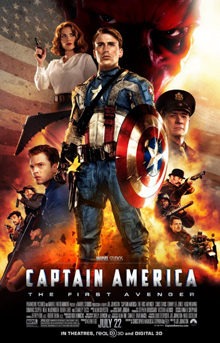
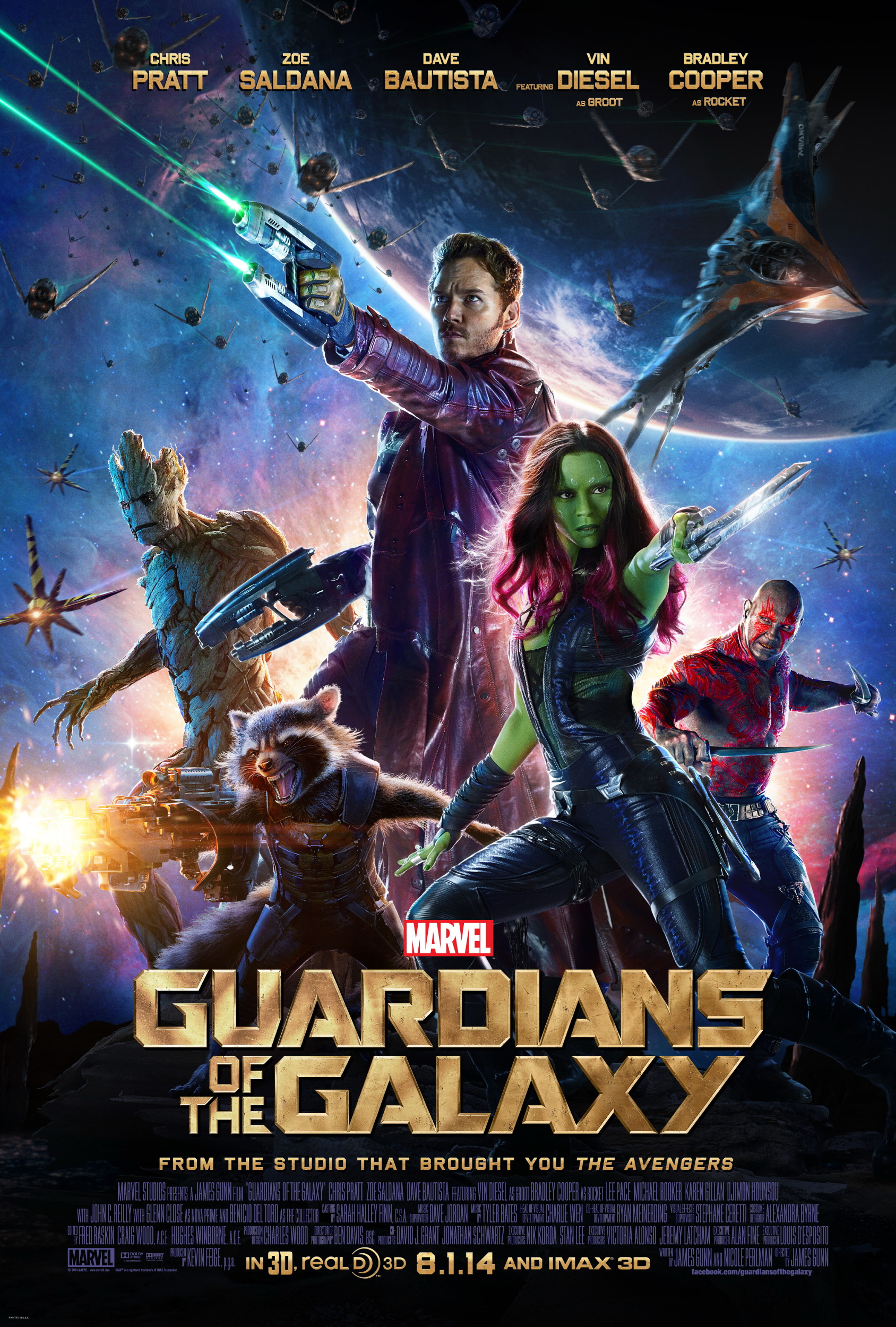
- It's been noted that on the theatrical posters for Captain America: The First Avenger◊, The Avengers and Guardians of the Galaxy◊, none of the characters wear their masks or helmets. Even Iron Man, who wears a suit of Powered Armor, goes helmetless so that the audience can see Robert Downey Jr.'s mug.
- In Avengers: Age of Ultron, Steve wears his helmet for most fight scenes, but ditches it for the final battle, and the reason why got cut from the actual release — on arriving in Sokovia, the first thing he sees is graffiti of his old look with "fascist" written on it.
- In Captain America: Civil War, Black Panther's helmet has to be manually removed whenever he wants to show his face. It's hard to escape the conclusion that a major reason for updating him to a suit of Nanotech Instant Armor in Black Panther is so that he can simply make the helmet vanish whenever the actor needs to emote, even in the many, many situations in which it would be safer to leave it on. The suits Iron Man makes for himself and Spider-Man in Infinity War have the same advantage.
- Although he's not a hero (unless you see him as the main character of the movie), Infinity War was widely mocked online for the fact that Thanos never wears his iconic golden helmet — or any armor at all, for that matter — when actually fighting, sticking with a sleeveless shirt and going for a bareheaded look that some fans described as "high school gym coach" or "your fat uncle on casual Friday at work".
- Done to an especially silly degree in Endgame. When the version of Thanos from an Alternate Timeline arrives on the field of the Final Battle, knowing that all the Avengers are there (and have already killed him once before), the first thing he does is remove his helmet while waiting for them. He puts it back on when the actual fighting starts, only to tear it off in a rage after Cap damages it. Then when all the resurrected heroes who died in Infinity War, none of whom are anywhere near as tough or durable as Thanos, arrive on that same battlefield, they also immediately remove their helmets, and are rarely seen wearing them in the ensuing battle outside of landscape shots. Anytime they're in a close-up shot, even one that only lasts for a few seconds, off comes the helmet.
- Averted in the Rocket Man film serials by Republic Pictures, where the Jet Pack-wearing hero wears a bullet-shaped full-face helmet that streamlines his head, shields his face when he's flying, and conveniently hides the stuntman playing him.
- Played with in the opening battle of Saving Private Ryan. One soldier has an enemy bullet glance off his helmet, he takes it off to marvel at his luck, and catches a sniper round between the eyes.
- Near the start of The Siege of Jadotville, shortly after arriving at Jadotville, Commandant Quinlan and his Company Sergeant-Major are inspecting the equipment provided by the United Nations. They discover the iconic sky-blue helmets are flimsy plastic and provide about as much protection as a cloth beret, so they choose not issue them (actual, real helmets, like the steel M1, came years later as armies started switching to composites such as kevlar).
- Played straight in Snow White & the Huntsman. Snow White rides into battle in full armour but no helmet, in a battle where they are Storming the Castle and getting a lot of things dropped, poured and thrown on them. However Snow White is the leader and symbol of the rebellion, so she has to be recognizable to give hope to her fellow rebels and the oppressed population.
- Star Wars: Downplayed in general, since main characters do at times wear helmets, but only villains or heroes disguised as bad guys wear helmets that conceal the face. In the case of Darth Vader and Kylo Ren, the face-concealing helmet is a fearsome part of their image and was adopted after a Face–Heel Turn. The Clone troopers in the prequel trilogy are an outlier in terms of wearing face-covering helmets despite being both competent at fighting and initially on the "good" side; after Order 66 you never see a clone trooper take off their helmet, and their successors the Storm Troopers are for the most part disposable Faceless Goons.
- Most of the Redshirts from The Super Inframan wears helmets, except the hero, Rayma. Incidentally, Rayma's helmet is the reason he survived the movie, when he gets a drill to his head by one of the monsters, destroying the helmet while his cranium remains intact.
- Downplayed in Top Gun: all pilots do wear helmets, but none of the named characters ever have their sun-visors down over their eyes while flying (not even "by the book" pilots such as Jester or Viper). Conversely, the helmets of all the unnamed MiG pilots cover the entire head. The sequel, Top Gun: Maverick, would avert this, showing all the pilots wearing sun-visors while flying.
- Achilles removes his helmet just before fighting Hector in Troy, remarking that this time, Hector is sure of who he's fighting. Previously, Hector killed Achilles' cousin, who was wearing his armor and posing as him. Hector also removes his helmet to fight fair.
- In Underworld: Blood Wars, a fully-armored army of Nordic Vampires are fighting Lycans, except for their leader Lena who is not wearing a helmet. Justified since it was used to demonstrate Lena has become a Daywalking Vampire after drinking Selene's blood, as the vampires were fighting during daytime and really needed protection.
- In Willow, Madmartigan dons a full suit of armor complete with helmet in preparation for the battle of Tir Asleen, only to lose the helmet about a minute into the fighting, and never bothers to retrieve or replace it.
- The X-Men movies are rather infamous for making sure Hugh Jackman never wears Wolverine's iconic mask/helmet from the comics. Interestingly, the mask was supposed to finally debut at the very end of The Wolverine, but this idea was scrapped. On the other hand, Magneto does wear his trademark helmet in each of the movies he appears in, but it tends to fulfill its primary purpose of keeping Charles (and Cerebro) out of his head.
Magneto: (to Pyro) This "dorky-looking helmet" is the only thing that's going to protect me from the real "bad guys"!
- Justified in the Discworld novel Monstrous Regiment. The Squad stop at a garrison town to equip themselves, but what equipment they find is so thoroughly battered that the helmets aren't even capable of keeping the rain off.
- The Dresden Files:
- Harry, Michael and Kincaid all usually wear full-body armor (an enchanted duster, a Kevlar-padded full plate and a cross between ballistic vest and biker gear respectively), but never any helmets. Though, Harry can (and did) pull his duster over his head in a pinch and Kincaid prefers to snipe nasties from afar. Not to mention that said nasties are usually capable of ripping one's head off if given the chance, helmet or not.
- In Changes, Harry is given a magical suit of armor by his fairy godmother but refuses to wear the helmet, mostly just because he thinks it looks silly, and points out that it does come with a forcefield so his head's still protected. He regrets this later because the material of the suit does provides protection against magic, and when under mental attack he's reduced to shoving his arms in front of his head to get more of it between his enemy and himself.
- Used in Fate/Zero the same as Fate/Stay Night. The exception is Black Knight who wears a full black suit of mail with helmet. The helmet keeps not only his head but also his identity safe for almost the entire war, and it is only revealed in the moment of his death.
- Journey to Chaos: Out of the main cast of semi-heroic mercenaries, Tiza is the only one consistently wearing a helmet. Eric joins her in wearing headgear starting in Mana Mutation Menace, but his is actually transforming his head from flesh to metal. You could say his head becomes his helmet. During the Mana Mutation Summit, Kasile deliberately instructs her personal guard not to wear helmets so everyone can see their faces and thus their individuality and emotions, which is supposed to highlight the contrast between her and Lunas with his Faceless Goons.
- Kings of the Wyld: Clay really hates helmets, claiming that all they do is muffle your hearing, block your peripheral vision, and they don't even do a good job of protecting against blows to the head. With only one notable exception, no one else in the book wears one, either.
- A Little Hatred: The warrior prince Stour Nightfall goes into battle without a helmet, which is implied to be an expression of his extreme arrogance. When dueling him, Leo dan Brock also forgoes his helmet to match him.
- Hilariously deconstructed in A Practical Guide to Evil. Before the Battle of Three Hills the Exiled Prince rides in front of the Legion's formation to deliver his Kirk Summation, without wearing a helmet to show off his princely good looks. Villain Protagonist Catherine takes the opportunity to have him shot with a crossbow and the magical arrow-deflecting properties of his armor deflect the bolt upwards into his unprotected neck, turning a potentially survivable wound (for a hero) into a One-Hit Kill.
- At the start of the Secret World Chronicle series, hardly any of the Echo superheroes wear helmets. After the opening battle of the Thulian invasion, where many of them die from head wounds, all the survivors whose powers don't include being bulletproof start using helmets.
- Totally averted in both The Silmarillion and in The Lord of the Rings. Both Elves and Men are depicted to have helmets.
- Subverted by Éowyn, who removes her helmet just before delivering the final fatal blow to Witch-King — to demonstrate she is no man.
- Variation: Justified in Snow Crash: Y.T. does without a helmet because it plays havoc with her hearing and peripheral vision, and anyway she has enough other safety gear that the presence or absence of a helmet would be largely academic.
- A Song of Ice and Fire:
- Tyrion removes his helmet during the Battle of Blackwater to stop himself from drowning, and later takes an axe to the head that nearly kills him. After he's mostly recovered his father reprimands him for doing it, saying that his brother would never have been foolish enough to take off his helmet during battle.
- Earlier in that same battle Tyrion reprimands the king for raising his visor, for fear he'll get an arrow in his eye. The king is not expected to fight (and in fact is too cowardly to do so) but if he is killed morale will be destroyed (not to mention the Queen Regent will be really pissed off at Tyrion).
- Ser Barristan chooses not to wear his helmet on one occasion, because he's expecting to be in tight quarters with many side passages, and considers retaining peripheral vision more important than the protection. When a fight happens he and his opponent are both fully aware of the vulnerability, but Barristan is too skilled to let him take advantage of it.
- In the Star Trek novel Gulliver's Fugitives, a documentary/propaganda maker tells his "star" to take his helmet off before getting in a fist fight with one of the resistance members. Yes, the bad guys manage to stage events like that in real combat missions.
- The Tough Guide to Fantasyland: Helmets are only allowed to a select few (never protagonists). The Guards, Vestigial Imperialists, Barbary Vikings (with horns), mooks of the Dark Lord (to render them faceless) and foreigners (so they can have exotic shapes). Armies will rarely get them, unless having boiling oil poured on them happens during a Siege.
- Warhammer 40,000:
- Lampshaded in at least one Ciaphas Cain novel, where Cain comments on the stupidity of going in to battle while wearing powered armour but no helmets. His own uniform includes a peaked cap, which precludes him from using a helmet. He frequently regrets that this is the case. A later novel comments on the Adepta Sororitas' habit of omitting their helmets, which probably would have saved a few of them against the 'nids.
- Justified in the Space Wolf novels. The Wolves rely heavily on the enhanced senses unique to their chapter's genetic makeup, and when they do need to wear helmets they grumble that it feels like the world is muffled. Plus, their skeletons are just as hard as other Astartes so a headshot isn't as great a worry.
- Exploited in Black Legion: during the battle of Prospero, Khayon kills several Space Wolves easily by the way of head shots, blessing them for choosing to go into battle without helmets. He, on the other hand, always has his at hand, unless he's aboard Tlaloc.
General:
- Virtually every Police Procedural will include prosecution scenes with fully-armored and helmeted SWAT officers accompanied by the main characters wearing bulletproof vests as their only protection.
By series:
- 24: Every time Jack Bauer storms a room alongside fully equipped and helmeted SWAT members, he goes in practically naked (sometimes he will get a bulletproof vest). Same goes for any other credited co-star going in with him.
- Mostly averted in Band of Brothers: anyone vaguely close to the front line keeps their helmet on at all times. However, the men of Easy Company never seem to actually fasten the straps of their helmets, so they keep falling off whenever the soldiers move quickly. A British tank commander during Operation Market Garden only wears a beret, but that's accurate to reality as discussed lower down.
- The Boys: Flashbacks in season 3 reveal that back in 1984, when he was a member of Payback, Black Noir attempted to invoke this trope because he wanted to further a side career as an actor, and hated the "silent ninja" gimmick that Vought imposed on him. It ends up backfiring on him with horrific results in Nicaragua when he and the rest of Payback exact revenge on Soldier Boy for all the abuse he's inflicted on them. When Noir tries to take on Soldier Boy one-on-one, Soldier Boy overpowers him, shoves his head onto the hood of a burning Jeep, melting the left side of his face, then proceeds to bash him in the top of the head multiple times with his shield, leaving him with severe brain damage. Subsequently, Noir is forced to wear the mask and helmet full time to conceal his injuries.
- Black Sails takes place mainly on ships in a tropical climate, and yet characters are very rarely seen wearing hats despite the characters having to work intensely under the harsh tropical sun. The rare exceptions include Anne Bonny, who is almost Never Bareheaded, and a few captains such as Hornigold, Teach, and Rackham.
- In Cobra Kai, nobody wears any protective gear when sparring. It even affects the plot in a few cases, as Hawk's No-Holds-Barred Beatdown of Brucks and Kenny's Silver Bullet strike on Hawk would have been much less effective had they been properly equipped. Might be justified in Cobra Kai's case given their penchant for brutality but there's really no excuse for it in the tournaments.
- In their Paintball Episodes, Community plays this straight. It is generally somewhat justified by the fact that all of the paintball games are unplanned, but it is still rather foolish that the characters even lack eye protection most of the time. In "For a Few Paintballs More", it is played completely straight when the Community College stormtroopers appear wearing full face masks and armor in contrast to the complete lack of protection used by the Greendale Resistance. It also allows Pierce a victory via Dressing as the Enemy.
- In Continuum, Kiera Cameron, police officer from the future, lacks a helmet on her super-advanced uniform. Justified in that 1: She was performing ceremonial guard duty when she was thrown back in time and wasn't expected to need a helmet (flashbacks to riot duty show her with one), and 2: Her suit can project a full-body force field in an emergency, so it's not quite as much of a problem as it would normally be.
- In Dark Angel, Max doesn't wear a helmet when she rides her motorcycle. The network tried to pressure the production staff into having her wear one, but they pointed out that Max was a Nigh-Invulnerable Super-Soldier.
- In The Devil's Whore at the battle of Edgehill, named characters ride into battle bareheaded. Musket-fodder are usually wearing helmets, which makes sense really because it means the extras can be re-used. Doesn't stop the battle looking a bit under attended mind... the real Edghill featured 27,000 combatants, while this representation features about 27.
- Doctor Who:
- In "Arc of Infinity", the commander of the Gallifreyan Chancellery Guard, Maxil, is almost always shown carrying his large and ridiculously plumed helmet under his right arm instead of wearing it (seen here). In interviews the actor, Colin Baker, revealed that this was not so much directly because of this trope as because when he was wearing the helmet the plumage was too tall for the doorways and he would have to awkwardly duck under the doorheaders on every entrance, so he carried the helmet instead. During taping he decided that the helmet was a chicken named Esmerelda.
- "The Sontaran Stratagem"/"The Poison Sky": This is handwaved as being due to Sontaran honour — it's a sign of bravery for this Proud Warrior Race to face their enemy unprotected. After seeing his commander has taken off his helmet so he can look the Doctor in the eye, his Number Two requests permission to do likewise. However his mooks keep their helmets on; as they're all supposed to be identical clones, this saves on special effects.
- Rory Williams spends some time as a Roman centurion and dresses in the costume a few times afterwards. While he is shown to own a helmet, he never wears it after his first appearance as the centurion.
- In "Arc of Infinity", the commander of the Gallifreyan Chancellery Guard, Maxil, is almost always shown carrying his large and ridiculously plumed helmet under his right arm instead of wearing it (seen here
- Firefly:
- In the opening of the first episode, the Battle of Serenity Valley is raging. Several Browncoat soldiers are seen wearing helmets, but Mal and Zoey don't — and they're the only ones who will appear again after this scene.
- During a flashback to the war in "The Message", the first thing Tracey does is remove his helmet in a quiet moment. Mal and Zoe, of course, aren't wearing any. Zoe seems to be more of a stealth unit or scout, and Mal is just kind of an idiot.
- Flashpoint, a Canadian police drama, does this way too much. Ironically, the characters started wearing their helmets properly, then stopped using the chin straps, and by now just use uniform caps. The unnamed officers still wear full gear, though.
- Game of Thrones:
- Come the battle of the Blackwater, named characters like Stannis, the Hound, Lancel, and Joffrey go unhelmeted. Not entirely a use of this trope, and in Stannis and Joffrey's case this can be justified as them wanting their troops to see them to boost morale. (And Joffrey certainly has no intention of being anywhere near the actual battle.)
- George R.R. Martin's commentary on the episode (see the quotes page) quickly becomes hilarious when the battle starts, as he hates this trope and refuses to let it go, even pointing out that Tyrion being the one main character to wear a helmet justifies his status as the smartest person on the show. He only removes it when he thinks they've won, which turns out to be a mistake when he is wounded in the face during a counterattack. George has noted at other times that it does get his goat, but on the other hand it's TV, and you have to see the actors.
- The Hound can also justify it as psychological warfare — half his face being burnt and him towering over everyone else. It does rather defeat the purpose of his impractically elaborate snarling dog helm, though.
- Brienne of Tarth wears a helmet for her Samus Is a Girl introduction. Then never wears it again.
- A double subversion: during the fight between Gregor Clegane and Oberyn Martell, the former starts off with a helmet, but it's knocked off his head early on. His opponent never takes advantage of his exposed head after that (largely because he's trying not to kill him too quickly).
- Oberyn, on the other hand, doesn't even wear a helmet in the first place, and scoffs at the suggestion to put one on due to his fighting style. This eventually turns out to be crucial in a fatal way, because the Mountain kills him by crushing his skull.
- Styr, the psychotic cannibal Wildling, doesn't wear a helmet or any head protection during the Battle of Castle Black. He overpowers Jon during their fight and starts strangling him... and then Jon gets his hands on a blacksmith hammer. Nighty night, Styr.
- Janos Slynt wears the helmet of a Gold Cloak to remind the audience of his position, but his lacks the chainmail face-covering and is generally carried under his arm if he has any important dialogue. Once he's established as a lord, he ditches it completely.
- Come the battle of the Blackwater, named characters like Stannis, the Hound, Lancel, and Joffrey go unhelmeted. Not entirely a use of this trope, and in Stannis and Joffrey's case this can be justified as them wanting their troops to see them to boost morale. (And Joffrey certainly has no intention of being anywhere near the actual battle.)
- The Hexer: A villainous example. During her duel with Geralt, Renfri starts with a mail coif on her head, but she takes it off half-way through, throwing it at Geralt as a distraction.
- In The Last Ship the main characters rarely ever wear helmets when they go ashore from their ship to fight bad guys.
- Most of the main characters of The Mandalorian play this straight. But it's distinctly averted with Mando himself, who follows a strict code prohibiting him from ever being seen without being fully suited up. One character asks what happens if he takes his helmet off; he says that he could never put it on again.
- Explained in later episodes: He belongs to an Ultra-Orthodox Mandalorian faction that swears an oath to never remove their helmets in the presence of others. To do so would have you declared Apostate and excommunicated from the group.
- The Lord of the Rings: The Rings of Power:
- Galadriel never wears a helmet to go along with her suit of armor, even while doing battle against Orcs in the Southlands.
- Sauron of all people doesn't bother with one either while fighting Orcs, just the example above him.
- The Power Rangers wear full costume for 90% of their fights, but if a ranger enters a battle without their helmet for whatever reason, you can bet it's going to be the most epic fight of the season. Same with its origin source, Super Sentai. In the last 15 years or so it became standard for every team to begin the final battle wearing their suits but not having their helmets on initially, as a way to allow the actual actors (as opposed to the stunt people that typically portray the characters in suit) to wear the costumes and do the characters iconic poses at least once.
- Stargate SG-1:
- In the early episodes, Daniel and Carter wore helmets while O'Neill wore a baseball cap. Lampshaded in the episode "Moebius" in which the team has an alternate first mission:
Daniel: How come we have to wear these and you don't?
- After SG-1 stop wearing helmets, however, other SG teams continue the practice, and SG-1 themselves do continue to wear headgear (usually hats, or in Daniel's case, a bandana) that match whatever camouflage BDUs they are wearing.
- Also lampshaded at the end of "Redemption, Part 2", when newly minted SG-1 member Jonas Quinn shows up with a helmet and Carter tells him to lose it. O'Neill gestures no, which is probably because he gave it to Jonas to make him look silly in the first place. That he did the same to Daniel, the team member Jonas is replacing is a sign he is accepting Jonas as a team member. Awww...
- Understandable in that the kind of enemies SG-1 faces tend to use weapons that a helmet would provide no protection whatsoever against. Likewise they don't bother with body armor since the likes of Jaffa staff weapons would burn right through it. At least until they replace the standard bulletproof inserts with heat-resistant ones that allow one to survive a staff blast (which is plasma).
- In the early episodes, Daniel and Carter wore helmets while O'Neill wore a baseball cap. Lampshaded in the episode "Moebius" in which the team has an alternate first mission:
- The TOS spacesuits in Star Trek. The "almost plastic bag death spacesuits". Made entirely to not muss up the hair and show the actor's entire face, the suit doesn't seem to be too ergonomical or protective in the head regions.
- The White Queen: During the Battle of Barnet, none of the major characters sport helmets.
- Willow: Zigzagged. The corrupted knights sent after the heroes all wear helmets (usually putting the visors down just before fighting). Meanwhile the heroes are bareheaded, except for Jade putting on a dueling helmet briefly before she fights Ballantine. It's quickly knocked off though.
- KT Tunstall in the video for "Invisible Empire", dressed up in medaeval warrior queen garb. Funny thing is she's wearing a helmet at the beginning but takes it off before any fights happen (against a faceless helmeted opponent).
- Enforced in the video for Sabaton's "The Unkillable Soldier". According to singer Joakim, the director wanted the band members, who were playing German soldiers repeatedly trying and failing to kill Sir Adrian Carton de Wiart (played by Indy Neidell from Sabaton History), to all wear Stahlhelms for historical accuracy. The band replied that hardly anything else happening in the video was historically accurate and went helmetless.
- Classical Mythology: Athena was frequently portrayed as having a face-concealing Corinthian helmet, but she's also rarely ever shown wearing it down — instead, it was tipped up and off her face, as was common for actual warriors who were wearing the helmet out of combat. However, when she was portrayed with another style of helmet (that would be pretty likely to not be face-concealing), she would instead be wearing it normally.
- All of the warriors in Gottlieb's Gladiators wear glowing Power Armor that covers their entire body, yet leaves their heads exposed.
from Embers in the Dusk, where Rotbart promises that anyone caught without a helmet on duty will be assigned to venom milking.
- Somewhat inverted by BattleTech's MechWarriors — their (neuro)helmets are obligatory in the cockpit because they're a key part of the human/machine interface, but aside from those and their cooling vests they tend to traditionally wear as little else as they can get away with while still giving a nod to modesty because the same cockpit can get sauna-level hot in a hurry in combat. If you AREN'T wearing a helmet, you're probably using Enhanced Imaging or Direct Neural Interface implants, in which case, you're probably too insane at this point to care about appearances.
- In Dungeons & Dragons, helmets are usually purely for flavor. Whether or not you wear one makes no difference to Armor Class, barring enchantments.
- One exception exists in the Complete Fighter's Handbook for AD&D 2nd edition, which discusses a more detailed treatment of helmets as an optional rule... by which they mostly provide penalties to sight and hearing in exchange for some minor side benefits and still don't affect overall armor class. An attacker could in theory, using another optional rule, make an attack specifically against an unarmored head's "natural" armor class rather than that of the actual body armor they're wearing, but said rule then itself penalizes head shots sufficiently that it'd take a pretty extreme contrast to actually make that worthwhile.
- Justified for the Psionicist class in the Complete Psionics Handbook, also for AD&D 2nd edition. A Psionicist can only wear a helmet if it's psionically active or enchanted to simulate psionic powers; otherwise, a normal helmet will prevent the use of any power.
- Exalts in Exalted rarely wear helmets along with their glowing Magitek Powered Armor. Storytellers are explicitly discouraged from allowing called shots to the head (or any other unarmored location), as making the PCs do practical things like put on helmets and not wear Chainmail Bikinis is antithetical to the intended atmosphere of the game. Exact wording in the rulebook puts fancy helmet on the same level of importance as a good hairdo — purely cosmetic.
- Iron Kingdoms:
- Inverted by the Protectorate of Menoth. EVERYONE wears something to cover their head and at least part of their face.
- Played straight by most Cygnaran, Iosan, and Khadoran warcasters.
- Inverted by infantry unit leaders, almost all of whom wear the same helmet as the rest of the unit.
- The One Ring: Downplayed. Wearing helmets increases your fatigue score like all gear. Unlike other gear, though, you can cast aside your helmet during battle to undo some of that increase, which is most useful if your Endurance is getting low and you can't cope with as much fatigue without getting Weary. So adventurers might start off wearing helmets, but then take them off when things get really dangerous.
- Pathfinder:
- Deconstructed: as a child, Seelah stole a paladin's helmet, which resulted in said paladin getting killed in battle. Seelah became a paladin herself to atone for this, and never goes without her helmet for perfectly understandable reasons.
- Also played with in the case of Acemi, the paladin whom Seelah stole the helmet from. Acemi knew that Seelah had stolen her helmet, but chose to let her keep it because she figured that Seelah, an orphaned Street Urchin at the time, would benefit more from selling it than Acemi would from taking it back.
- One advantage of the fish-bowl helmet in Rocket Age is that you are visually un-helmeted, while many of the enemies, such as the Nazis, wear regular helmets and gas masks.
- Warhammer 40,000: Space Marines never wear helmets in promotional art, while the rest of their body is armored like a tank. Even in battle scenes, the helmets are off far too often. Also, most of the models of officers and HQ units in Warhammer 40000 lack helmets by default, and the few who do have helmets are usually painted in a different colour or has a different design from those of regular troops. It's justified because it makes the models easier to spot by the players, but for the same reason it would be a rather bad idea in an actual battlefield. The lack of helmets is exploited in one piece of flavour text, where Colonel Straken kills a Chaos Lord by laying in ambush and attacking him from behind when he removes his helmet.
- One likely reason the helmets come off so easily is so GW's modelers can show off all the exquisitely-detailed faces they have to paint on a regular basis.
- Also, Space Marines are genetically-engineered and conditioned/made to have very tough skeletons, so going without a helmet is not quite as stupid for a Marine as it is for a human. It is still pretty stupid, though.
- Occasionally arises in the new background, such as the Vorlinghast's Bane story, where the Space Marines sent to cleanse the planet were infected by the warp plague affecting the planet's populace — but only the ones who did not have helmets. The ones who wore full armour were not affected, as they had a completely sealed environment.
- Another of the justifications, for the Space Wolves, is that much of their method of fighting as well as communication between each other is derived from their amazing senses of smell and hearing (Even compared to other marines), and producing helmets with auto-senses precise enough to avoid losing information is incredibly challenging.note Also justified among the Space Wolves because they are Space Vikings, with all that implies — it's not enough to just say you killed an alien beast the size of a tank in single combat, somebody has to see you do it.
- As far as the actual tabletop models go, almost every race has a lot of basic troops with helmets, where squad leaders and commanders and tank crew almost never wear them. That said, they will usually give you enough helmets to give the sergeant/commander a helmet as well, though thanks to WYSIWYG rules you normally have to paint the sergeant's helmet a different color or otherwise make him more ornamental.
- Exploited by a White Dwarf article about inclement battlefield conditions, with an acid cloud that affected any model with exposed skin, specifically calling out all those un-helmented commanders and sergeants.
- Also handwaved in one novel, where it is stated that one of the first things that breaks down irreparably on a suit of Powered Armor is the air scrubber, so anyone wearing a helmet will be caught in the smell of a couple of thousand years worth of stale farts. and since officer and hero armour often is some kind of ancient relic...
- Justified also because the Commander almost always has a melee weapon such as a Chainsword which leave enough of a mess on your armor so as to make wearing a helmet difficult because of the gore obstructing your already limited vision.
- Although getting that gore in your eyes probably isn't much better...
- Made into a rule in Deathwatch: When going without a helmet, you lose the armour points for the head zone and the environmental seal, but gain a bonus to fellowship rolls, gain a little more renown, and the squad leader can better resist the loss of cohesion points.
- Exaggerated by the Tau, who to a man wear full-body suits of armour if not Power Armour or Mini-Mecha... except the spiritual leaders, the Ethereals, who wear ordinary robes and no helmet.
- Exploited in Prospero Burns. The main character gets many headshots since the Space Wolves are rather... dim on helmet policies. Hell, instead of wearing good old fashioned ceramite helmets, they wore leather masks that are shaped like a wolf head. See, up until this point Space Marines, and Space Wolves in particular, were deployed as intimidation-based shock troops rather than special-operations precision eliminators, and the Space Wolves were expecting an enemy Space Marine planet to be vulnerable to the same tactics.
- The Imperial Guard tend to vary on their application of this trope. Some regiments such as the Catachan Jungle Fighters (being an extended Rambo homage) likewise never wear helmets while others such the Maccabian Janissaries and the Death Korps of Krieg are never seen without their iconic facemasks/gasmask helmets.
- Also played straight for Tau Ethereals which never dorns helmets (or armor for that matter) whenever they choose the lead the fire caste directly in battle. Averted with alien factions in general though where even the commanders tends to wear their Cool Helmet even in artwork.
- Likewise, in the other Warhammer, neither the Empire Knights of White Wolf nor Bretonnian Knights Errant wear helmets.
- The "we need to recognize the characters" reason is inverted in BIONICLE: Thanks to the wonders of standardized toy parts, most if not all characters in any given story arc will have the exact same face. So a character's unique headgear more or less is his face, and serves as a major way to tell people apart. (In the occasional movie where characters need to actively emote, there are various workarounds, like removing a mouthplate or using an Expressive Mask). It's also worth noting that there's an in-universe practical reason to keep faces covered, too: some races have "losing your mask" as a Weaksauce Weakness.
- G.I. Joe
- Played straight through most of the original 1982-1994 toyline with poster boy Duke, whose action figures generally included a helmet amongst other items of kit but who was almost never depicted actually wearing it.
- Larry Hama said in an interview that he created The Baroness just so he'd have one unmasked/unhelmeted bad guy that he could have give facial reactions.
- Fate/stay night: Some of the super-powered Servants wear armor to protect themselves, but they don't bother with the helmets. The armor they wear do come with helmets; the design shows up in the artbooks, the Servants just prefer not to have them. This actually bites one of them in the ass at one point: Saber is nearly defeated because her head is the only unarmoured portion of her. Incidentally, the only time we see her helmet in the actual game is in the Heaven's Feel path, coloured in the black and red of Saber Alter, where it's almost immediately shattered by Berserker's attacks, which may explain why Saber prefers not to wear it in combat. That, and it's less of a helmet and more of a visor that only covers her eyes and nose.
- Inverted with the Custodian Guard from If the Emperor Had a Text-to-Speech Device (with the exception of Kitten, who just wears 24-Hour Armor). They always wear their helmets, but everything else (with the exception of loincloths) they left behind long ago. Supposedly it was in mourning of the Emperor's interment on the Golden Throne, but considering how they act and how they outright ignore any of the Emperor's orders to Please Put Some Clothes On, that's up for questioning. Notably, this was, at one point, canon — back in the Rogue Trader days, the Custodes were said to have given up their armor in shame for having failed to protect the Emperor. Modern depictions of the Custodes have them wearing their clothes, however.
- In Exterminatus Now, it's custom for officers not to wear helmets. When asked "how many of them were killed by a sniper bullet to the brain", the answer was "Ooph. Well, I mean, y'know... a few..."
- Considering its origins (as mentioned on its own page), this is undoubtedly a jib at Warhammer 40,000.
- In Girl Genius, Gilgamesh Wulfenbach reveals he has been shot in the side but he was wearing full body armor. One of the Jaegers points out he wasn't wearing a helmet. He justifies it by saying they had to know it was him. Being Jaegers, they suggest a giant hat for that purpose. They provide one. Later, it's the only way for many people to recognize him.
- Lampshaded in Nerf NOW!!, which points out even when a female character wears "realistic" armor instead of a Chainmail Bikini, the helmet is still forgone for heroes.
- Schlock Mercenary:
- Ebby often goes around without bothering to deploy his helmet, but as a Unioc his "head" is just a giant eyeball (which can be regrown with medical technology) and his brain is in his pelvic cradle.
- Played with here, when Tagon doesn't deploy his suit's helmet because his client didn't have one, and the client wasn't deploying her suit's helmet because Tagon didn't have one.
Tagon: [as both characters deploy helmets] We're idiots.
- Dumbing of Age usually averts this—Sal almost always has her face-covering helmet on while riding her motorcycle, and her assorted rollerblading and skateboarding friends always have the proper safety equipment. However, during a 2018 storyline in which Sal vents to Danny about her feelings while giving him a ride for the first time, neither of them have helmets. David Willis, the author, reacted to dismay from readers by pointing out that this was an emotionally-charged scene and being able to show the characters' faces took precedent. Nevertheless, a Patreon-exclusive comic depicted a trucker at a bar, complaining to his friends about the foolishness of the helmetless biker who swerved in front of him earlier that day.
- Unsounded: Lemuel is the only member of the Lions of Mercy to show up to attack the shrine without a helmet, he's also the character readers were most eager to see again and his helmetless state made him easy to recognize. His eyes end up damaged from the smoke of a nearby explosion due to his lack of goggles.
- The Weekly Roll's dwarves almost universally wear face-concealing helmets and full armor all the time. Enforced by the fact that their home city is infested by cave goblins who like dropping rocks (and the dwarves don't do anything about it precisely because it teaches the children an important lesson in always staying covered and builds character).
- A Door Monster sketch parodying the first Half-Life has Gordon Freeman complaining that the HEV suit doesn't come with a helmet, although a fellow scientist insists that it's not necessary. Freeman is even less amused after the facility gets overrun by headcrabs, so named "because it attacks your FRIGGING HEAD!"
- It became a Running Gag throughout Freeman's Mind and into its sequel that Gordon Freeman would always be without a helmet, and keenly regretful of this fact. There are meta-reasons for this portrayal: partly a commentary on the official art in Half-Life (see above), and partly a justification to disable the in-game HUD, which would be distracting to a viewer. Based on Freeman's commentary, we can infer that he acquires a lot of lacerations and other facial wounds throughout the series as a result. When Freeman DOES finally find a helmet for his HEV suit, its worn on a corpse that's been rotting on Xen for who knows how long, so he decides the potential germs aren't worth putting it on.
- Quite averted in The Knight of Hope which makes it pretty clear that the Knight's helmet is a very key reason he can beat over ten men at once, with a noticeable instance where a crossbow bolt is deflected by his almost-entirely face-obscuring helmet.
- Life SMP: No one on the server wears a helmet. Enforced in that one of the rules of the server specifies that no one is allowed to wear one, presumably so they're more recognizable in others' videos.
- Tango is executed by firing squad in Season 1 for violating this rule.
- Scar makes and puts on a helmet in Season 5 twice in brief failures to remember the rules. No one but the viewers notice it on Day 2, and he burns it at the beginning of Day 3, but then he makes another on Day 4. This time, Martyn and Joel catch him with the helmet on and tell him to "come over here and take that helmet off"; however, since Scar's secret task that day is to do the opposite of what everyone tells him to do, he's required to run away and keep it on.
- "How The Mandalorian Solved the Hollywood Helmet Problem" is a YouTube video by Mythwest exploring this trope in detail. It concludes that avoiding or losing helmets for the sake of letting the characters emote isn't a fatality, and more a sign of lack of creativity, as The Mandalorian proved you can have an always helmeted main protagonist and still convey emotions by subtler means.
- Subverted in "A helmet has always been a good idea", which has a Viking chieftain about to go to war when his son brings him his helmet. He tries to avoid wearing it despite his men's recommendations because it makes his scalp itch, but gives in when his wife shows up. The final scene has him bump his (helmeted) head on a wooden beam. The whole thing is a PSA for wearing bicycle helmets.
- Angel Wars: Zig-zagged, in that the protagonists have high-tech retracting helmets that they often take off, but also sometimes put on if they think they'll need them.
- Inverted by Avengers Assemble; when Red Skull steals Iron Man's Power Armor, he scraps the helmet so his face is seen.
- Inverted in BattleTech (1994); the protagonists are Inner Sphere and wear Neurohelmets, while all the Clanner antagonists use Enhanced Imaging implants.
- Subverted in Darkwing Duck. In the first episode Gosalyn asks why he doesn't wear a helmet when he drives his motorcycle, and he replies because he thinks he looks cooler without one. In the second episode he does start wearing it, as part of learning that sometimes there are things more important than his image. Like staying alive because Gosalyn needs a parent.
- In one episode of Jean-Luc & Dondoozat, Dondoozat is seen watering a flower, while Jean-Luc plays with a ball and a racket while wearing a horned helmet. The ball gets stuck on one of the horns, and when Jean-Luc turns around, a horn tips the flowerpot and pedestal it was on, breaking them both. Dondoozat got angry and spanked Jean-Luc for it.
- Kick Buttowski: The main character inverts this. He always wears a helmet, to the point of never taking it off.
- Star Wars:
- Star Wars: Clone Wars:
- It inverts this by having all the clone troopers have their helmets on at all times, and their faces are always covered, save one moment when you see the back of Alpha-77 (a.k.a. Fordo)'s head. The key clones are distinguished instead by color markings; specifically, if they're red, chances are they're badass.
- Obi-wan Kenobi wears full armor, with a helmet, in one battle. Naturally, a blow to the head knocks the helmet off so we can see his face. On that occasion, he was disguised as a trooper until the helmet loss.
- Star Wars: The Clone Wars:
- Clone troopers always keep their helmets on in battle, but always take them off to have conversations, presumably for the benefit of the audience (even if they all have the same face, it's still human nature to want to see individuals). A good example of this occurs when Commander Rex gives a defiant speech to Pong Krell during the Umbara arc, first expressing his grievances with the Jedi general while still wearing his helmet but taking it off partway through to reinforce that, while he and the other clones are genetically-engineered super-soldiers who were grown in vats from a single base genome for the sole purpose of fighting in a forthcoming war and who all look virtually identical to one another, that doesn't mean that they aren't people.
- Discussed by Cad Bane in the Season 4 episode "Friends and Enemies":
Rako Hardeen: For trying to blend in, your hat makes you stand out.
Cad Bane: [as Hardeen chooses a helmet] I don't like to hide under a helmet. - "The Lawless": Mandalorian warrior Bo-Katan, who was previously a villain, has an effective Heel–Face Turn as she fights against her planet's takeover by Darth Maul and, among other things, assists in Duchess Satine's attempted rescue before later rescuing Obi-Wan. She also wears her helmet very little despite having worn it during all combat scenes she was in in previous episodes.
- Star Wars Rebels: Sabine actually wears a Mandalorian helmet and armor, though a somewhat reduced version, as she relies on agility over durability. It actually saves her when Darth Vader reflects her own shots back into her face, yet she still refers to stormtroopers as bucketheads.
- Star Wars: The Bad Batch:
- It opens immediately prior to Order 66, and the only time in the pilot that any Regular troopers show their face is in the commissary. The fact that Crosshair keeps his bucket on far longer than the rest of the titular squad is obvious foreshadowing.
- Chapter 11 features a clone named Howzer who is still loyal to the Empire, but still seems to retain his individuality. He lets young Hera Syndulla off with a warning after catching her spying on an imperial outpost and is visibly shaken when Admiral Rampart has Senator Taa incapacitated by Crosshair.
- Star Wars: Clone Wars:
- Averted in SWAT Kats, as the Kats keep their helmets on at all times in the field, and one quips that it's a good thing they do when their Lois Lane accidentally hits him in the head during a crisis.
- For some reason, Jim's Trollhunter armor from Trollhunters lacks a helmet. This is particularly jarring as all his predecessors are depicted with helmets. Turns out he does have one as one of the upgrades he unlocks later into the show.
- Visionaries plays with this in an interesting way. Most of the characters on both sides spend as much time with their helmets on as with them off. However, all the Spectral Knights except for Witterquick have open-faced helmets while the Darkling Lords all have face-concealing ones.
- Witterquick's toy has an open face subversion: it covers his nose and mouth by not his eyes or forehead.
- Some Celtic and Germanic tribes disliked using helmets, or only chiefs wealthy enough to afford them did.
- In one (sort of) example, after being unhorsed at the Battle of Hastings, William the Conqueror removed his helmet so his allies could see that he was still alive.
- The full helmets of the high medieval period seriously restricted the wearer's vision. As such, a lot of knights chose to raise or remove their visors for hand-to-hand combat, accepting the increased risk as a necessary sacrifice in order to remain aware of what was going on around them. Of course, they were very seldom dumb enough to go bareheaded.
- Historically, captured knights (and other armoured opponents) relinquished their weapons, helmets, and a gauntlet. The gauntlet was for later identification of their captor so he could claim the ransom. The reason for surrender of the weapons should be obvious, but the helmet was removed so that even if the captive could find weapons he would be unable to effectively fight, given that a conflict with a bare-headed opponent ends very, very quickly. Removal of helmet = death in combat. Good examples of this come from records of the French-English battle at Agincourt.
- For similar reasons, in American football a player's helmet is taken immediately when they suspect he has a concussion specifically to prevent him going back out onto the field, since even a concussed player realizes that without a helmet he can't play (both for practical reasons and because it's against the rules).
- Before the NFL mandated wearing a helmet in 1939, some players — most famously Philadelphia Eagles end Bill Hewitt — refused to wear one, believing it would impede their senses and reaction time.
- The whole of heraldry derives from the medieval practice of a knight actually wearing a coat of arms — i.e., a coat over his armor — with a distinctive pattern, so that he could be recognized even while wearing a face-concealing helmet. Eventually knights started duplicating the pattern on their shields, and then the pattern evolved into a personal/family emblem represented on a stylized shield.
- Medieval judicial duels—in which an accused and accuser got legal permission to fight to the death to see who had God and the truth on their side—were customarily fought in full armor and helmets if both duelists had access to them. But during the Renaissance most authorities were reluctant to grant such permission or outlawed the practice altogether, leading many people to instead fight private and illegal "duels of honor." Some encounters retrospectively classified as duels could have just as easily been called assaults or street fights, meaning that everyone was in civilian clothes when they happened. However, it was customary even in formally-arranged duels for the fighters to agree to use civilian weapons (such as swords and daggers) and wear no protection beyond their civilian clothes: they might have worn hats in some cases, but certainly not helmets. The idea was to show bravery by relying on only parrying or dodging to protect against the opponent's weapons, and the lack of armor or face protection increased the chance that any hits that landed could be decisive.
- From roughly the 16th to 18th centuries, wearing any kind of protective mask in fencing practice was frowned upon. Not only was it considered unmanly to fear hits to the face, but it also insulted one's fencing partner by implying you didn't trust them to exercise proper control. Foiled swords at least had blunted tips covered with tennis-ball-sized pads in order to reduce the chances of poking someone's eye out, but such accidents still happened from time to time. Fencing masks as we know them didn't start to catch on until the 19th century; they've prevented a lot of injuries since then.
- In 17th century Europe, some soldiers avoided wearing the heavier and bulkier kinds of helmets in favor of light metal skull caps called "secrets" that could be hidden under a civilian hat such as a capotain. These were less protective than normal helmets, particularly against bullets, but they allowed a soldier to give the appearance of being brave and stylish enough to forgo a helmet while secretly retaining some protection.
- Police forces in many countries such as the U.S. tend not to wear helmets, either wearing distinctive hats or going bareheaded. They spend the vast majority of their time patroling or dealing with minor offenses, and military-style helmets look too threatening while also being too cumbersome and uncomfortable to wear all day.
- Inverted for SWAT teams and the like, who wear helmets for protection because they are dispatched specifically to respond to violent emergencies. Helmets and masks serve to hide their identities in case of reprisals, and by making them look scarier also increase the likelihood of the perp(s) hopefully surrendering upon seeing them without firing a shot. On the other hand, the increasing use of such gear by non-SWAT units and the dispatching of SWAT teams to deal with more routine situations have been criticized as part of the excessive militarization of law enforcement, since military-style gear can encourage officers to have an inappropriately aggressive mindset and the public tends to mistrust police forces that look like an occupying army.
- When Cricketers first started wearing helmets in the 1970s, some commentators didn't like it. One asked the great Don Bradman about the trend. Bradman replied that if he had been offered a helmet during the infamous bodyline series (where the English constantly bowled short-pitched deliveries that bounced up to around the Australian batsmen's head area), he would have worn one.
- This trope, played straight, may have actually saved the army for Pyrrhus of Epirus at the Battle of Heraclea. During the battle, he was knocked off his horse and badly shaken, so he had his armor and helmet taken up by Megacles, who was of similar build to him. A Roman horseman manages to kill Megacles and sever his head, holding it up and riding down the lines to show that he had killed the Epirote king. The Epirote army began to falter, until Pyrrhus took up a horse and started riding along the lines without a helmet, showing his men he was alive.
- British troops based in southern Iraq wore berets instead of helmets on patrol in an effort to win over the local population. This is SOP for peacekeeping operations; it makes the soldiers appear less threatening... unless the soldiers in question are from the Parachute Regiment or the Royal Marines (Names to Run Away from Really Fast if you're an enemy combatant), whose distinctively-coloured berets serve as a remarkably effective deterrent.
- Truth in Television for some special operations forces, who may forgo helmets and body armor depending upon the mission profile. This is not to say it doesn't compromise their combat effectiveness, it's just that in some missions, blending in is deemed more important. For example, scouts and recon often forgo wearing a helmet as it can limit vision and hearing. Snipers will typically not wear helmets while they are stalking to get into position and taking their shot.
- During the evolution of the NHL during the seventies, Canadian players protested the new rules regarding helmet use. According to the Canadian players, a mask for the goalie was enough, with even that only having been introduced in the late 1960s. Bizarrely, players from the States and Europe didn't tend to agree. This is especially visible during the 1972 Summit Series. The Canadian National team were bareheaded throughout (except for, oddly enough, eventual series hero Paul Henderson), while the Red Army team wore helmets.
- The Chinese People's Liberation Army Marine Corps. While half of them wear the standard black helmet with goggles on the helmet, the other half wear wool/fleece tuques with goggles on their tuque caps.◊ Justified for the tuques, which keep their head warm at sea, and the fact that they are mainly a peace keeping force escorting vessels near the Gulf of Aden.
- Many tank commanders also preferred not to wear helmets as they thought they were too restrictive when they did get inside the turret. Not surprisingly, wounds to tank commanders were usually to the head and often fatal. In WW2, American tank crews took fewer casualties than their British counterparts despite usually riding around in the same tanks because the Americans wore helmets and the British merely wore berets.
- A common reason for bikers and bicyclists not wearing helmets is because the rider thinks they're uncool.
- Pyotr Grigorenko in his In the underground you can meet only rats memoirs wrote about such a trend among some early Soviet Political Officers (the sort of guys who had some rank, but no one dared to give them any actual command positions even during the total mobilization), which he had to counteract and urge his men to wear helmets. In the end, the best argument was visual one — his own helmet discarded due to a big, sharp, gnarled-looking shrapnel stuck in it (he got away with a scratch and light knockdown that time).
- U.S. soldiers deployed onto the Normandy beaches for the D-Day invasion were instructed to remove their helmets first if they had to jump overboard in a pinch. This is because they were trained to jump in feet first, and if they left their helmets in place with the chin-strap still fastened, the sudden rush of water into the helmet during submergence could snap the wearer's neck.
- Inverted in the video I Love Helmets, in which a helmet-wearing skateboarder gets up totally unhurt despite wiping out and hitting his head on the pavement. He gleefully declares, "I love helmets!"
- In Xenophon's Anabasis, an account of the expedition of several companies of Greeks into the Persian Empire under the leadership of Cyrus the Younger, Cyrus is said to have entered his battle with king Artaxerxes II (his brother) bare-headed. Just as the battle was about to be turned in his favor, he was struck a fatal blow under the eye with a javelin. Wear your helmets, kids.
- On Trajan's Column in Rome, Italy (a triumphal column commemorating Emperor Trajan's victory in the Dracian Wars) the Roman soldiers have their helmets cut away and shield size cut down to reveal more of their faces. Their Dacian opponents aren't shown with helmets at all, except as battle trophies, perhaps to make them appear less martial and heroic.
- When the Brody helmet (the British "tin hat" helmet) was introduced in 1915 (as protection from shrapnel shells detonating over the trenches), there was a lot of skepticism and dismissal of the idea, in part because it was seen as an archaism that was pointless on the modern battlefield (because it couldn't deflect bullets, which were still seen as the more significant threat). This conclusion seemed at first to be confirmed when there was an increased rate of reported head injuries, until it was noticed that it corresponded with a reduction in overall fatalities. In other words, Tommies were now surviving head wounds that used to simply kill them without the helmets. After that, the objections generally vanished. Similar disputes, and results, were seen with the French Adrian helmet (which became the common helmet design across most of Europe in various forms, with even one of the Central Powers, Austria-Hungary, adopting a design based on it) and the German stahlhelm (the famous "coal scuttle" helmet) when they were introduced.
- Horse-riders are notorious for not liking to wear helmets, at least for older teens and adults. May stem from the association of horses with nobility/wealthy, since they were usually the only people who could AFFORD a proper riding horse in the first place.
- A Helmet Has Always Been A Good Idea shows a Viking warlord refusing to wear a helmet when he goes on a raid to England, claiming he's a good enough horseman that he doesn't need one (and it messes up his hair), to his men's consternation. Only when his wife makes him wear it does he actually put it on (and the video ends with him hitting his helmeted head on a crossbar, able to ride on). The whole thing is a PSA reminding you to wear a bike helmet.

